

Zirconia vs. metal-ceramic crowns is an important comparison for patients who need to restore damaged or heavily treated teeth. Both materials can produce an attractive result, but they interact with light and the surrounding gums differently.
Modern zirconia usually provides a more natural appearance because it has a tooth-coloured internal structure. However, the best choice also depends on the position of the tooth, its underlying colour, the bite, and the skill of the dental laboratory.
Which Crown Material Looks More Natural?
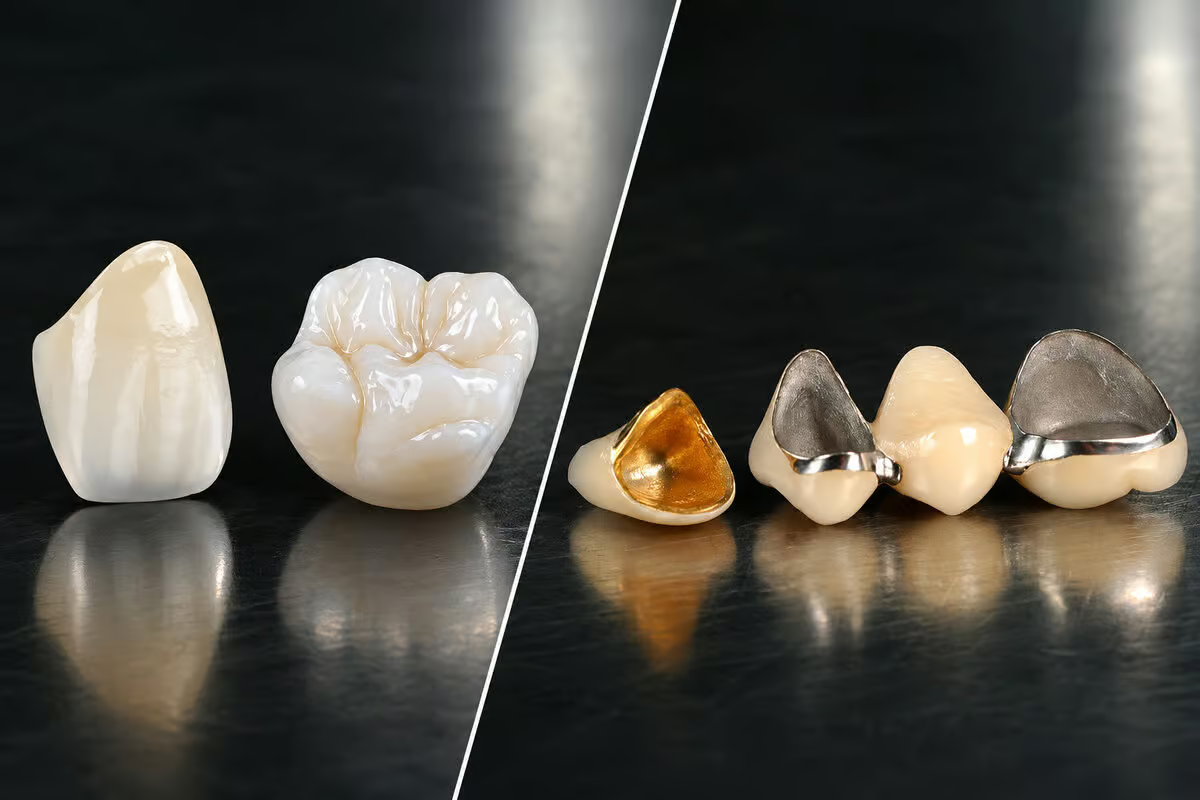
Zirconia crowns generally create a more natural result than metal-ceramic crowns, especially when the gum line is visible. They contain no dark metal framework that could affect the colour of the restoration or become visible near the gum.
Translucent and layered zirconia can reproduce some of the brightness, colour depth, and surface details seen in natural enamel. Different zirconia types can also be selected for front or back teeth.
Metal-ceramic crowns can still look realistic when they are carefully designed. Their porcelain surface can be matched to the surrounding teeth, but an opaque layer is needed to hide the metal underneath.
This internal layer may make the crown appear less translucent. If the gum recedes over time, the metal margin can sometimes become visible as a dark or grey line.
The most natural result does not come from the crown material alone. Tooth preparation, colour selection, gum health, crown shape, laboratory work, and final positioning all influence the appearance.
What Are Zirconia And Metal-Ceramic Crowns?
A dental crown covers the visible part of a damaged or prepared tooth. It can restore its shape, strength, colour, and ability to function during chewing.
A zirconia crown is made from zirconium dioxide, a strong dental ceramic. It has a naturally light-coloured structure and does not require an internal metal framework.
Les patients peuvent en savoir plus sur zirconia and E-Max crowns in Albania before comparing the available ceramic materials.
Zirconia crowns can be monolithic or layered. Monolithic zirconia is produced as one strong structure, while layered zirconia uses additional ceramic to create more detailed colour and translucency.
A metal-ceramic crown has an internal metal framework covered with dental porcelain. The metal provides support, while the external ceramic creates the visible tooth shape and colour.
Couronnes céramo-métalliques have been used for many years on individual teeth and dental bridges. Their final appearance depends greatly on the design of the metal framework and the quality of the porcelain layering.
Who Are Dental Crowns Suitable For?
A crown may be recommended when a tooth cannot be restored reliably with a smaller filling, inlay, or veneer.
Dental crowns may be suitable for patients with:
- A fractured or extensively worn tooth
- A large filling that has weakened the remaining structure
- Une dent traitée par thérapie endodontique
- Severe discolouration that cannot be improved with whitening
- A damaged or poorly fitting old crown
- A tooth used to support a dental bridge
- A dental implant that requires its final visible restoration
- A tooth with significant changes in shape or size
Zirconia may be preferred when the patient wants a metal-free restoration or when the crown margin is within the visible smile. It can also be considered for areas exposed to strong chewing forces.
Metal-ceramic crowns may remain suitable for patients who already have similar restorations or require a crown that must match an existing metal-ceramic bridge. They can also be used when the clinical and laboratory conditions favour this design.
The material should only be selected after the tooth and bite are examined. A crown that looks attractive but does not fit correctly can still cause discomfort, gum inflammation, or functional problems.
How Does Dental Crown Treatment Work?
First Appointment
The dentist first examines the tooth, gum line, bite, and neighbouring teeth. An X-ray may be required to evaluate the root, bone, previous root canal treatment, or possible decay beneath an old restoration.
The amount of healthy tooth structure is also checked. If the tooth is severely damaged, it may require a filling or internal build-up before it can support a new crown.
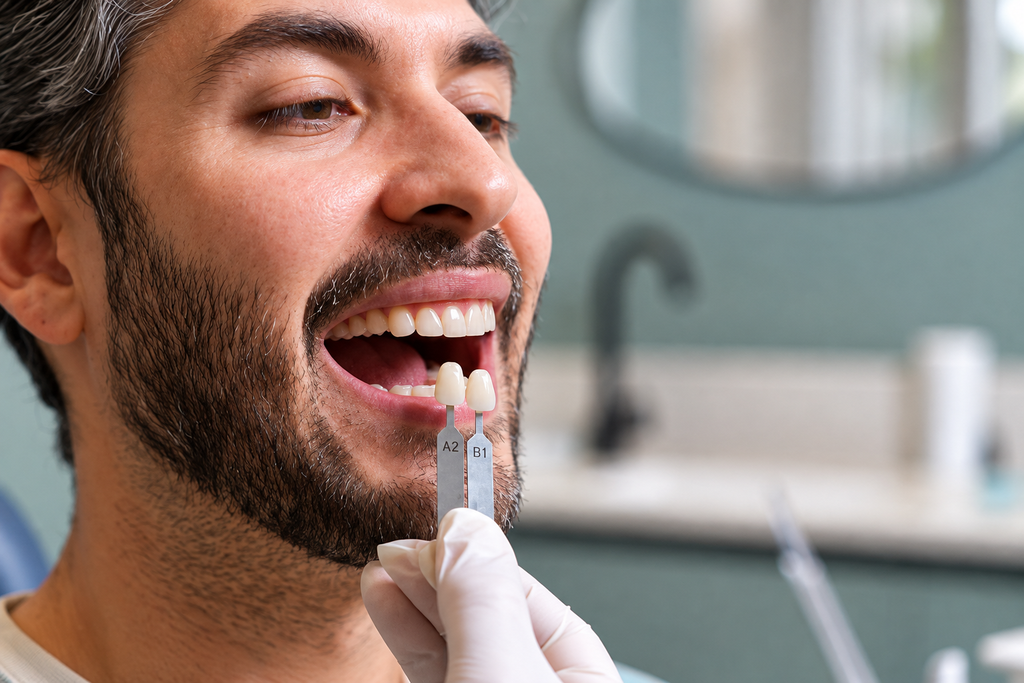
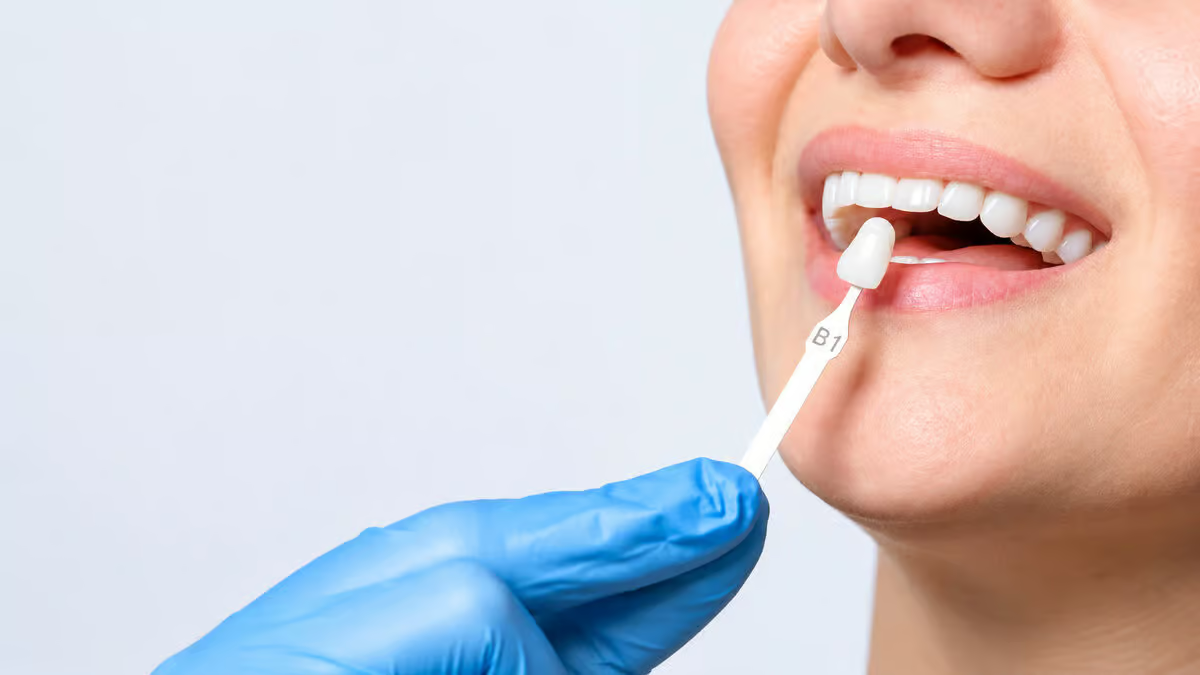
Shade selection should take place under suitable lighting. The dentist evaluates more than a single colour, including translucency, brightness, surface texture, and the different shades found near the gum and biting edge.
For front teeth, photographs and Conception numérique du sourire may help the team study how the crown should relate to the lips, face, and surrounding teeth.
Treatment Stage
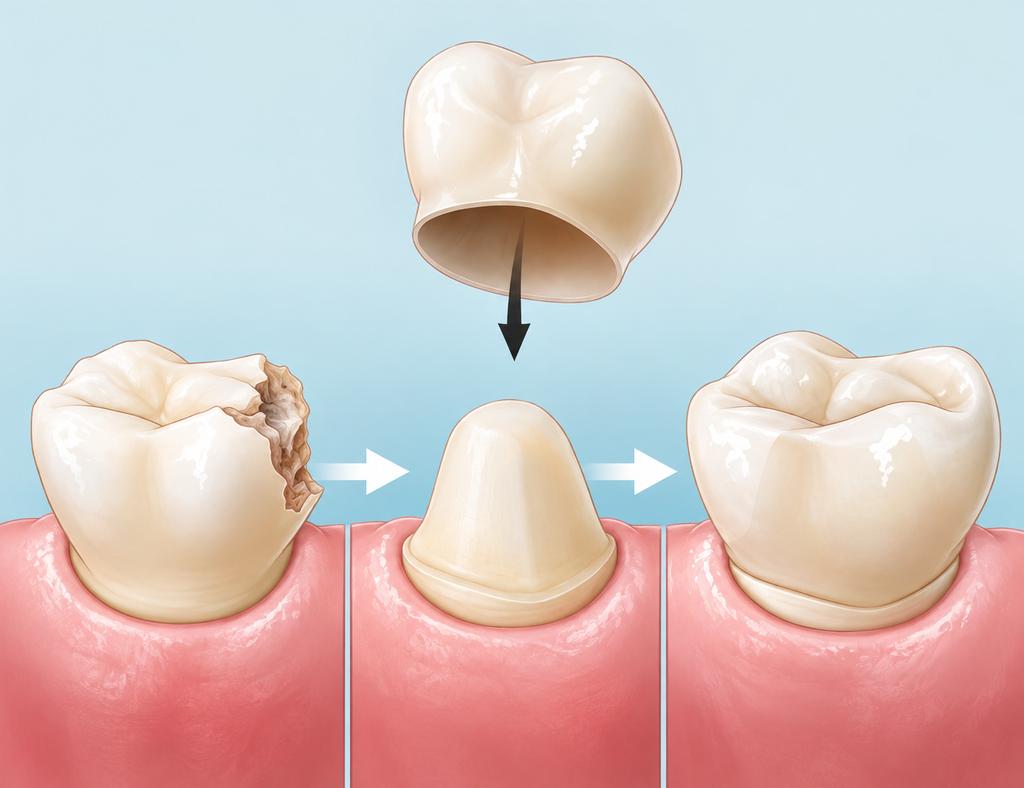
The tooth is carefully prepared to create space for the selected crown. The amount and shape of preparation depend on the remaining tooth structure, crown material, and required thickness.
A digital scan or dental impression records the prepared tooth and its relationship with the opposite jaw. This information is used by the dental laboratory to produce the restoration.
A temporary crown may protect the tooth during the laboratory stage. It also maintains the space, tooth position, and basic appearance until the permanent crown is ready.
The laboratory creates the internal structure and outer anatomy of the crown. For zirconia, the restoration may be milled digitally and then coloured, polished, or layered with ceramic.
For a metal-ceramic crown, the metal framework is produced first. Porcelain is then applied in stages to hide the framework and reproduce the planned tooth shape.
Restauration finale
Before permanent placement, the dentist checks how the crown fits the tooth. The contact with neighbouring teeth, crown margin, colour, shape, and bite must all be evaluated.
A front crown may require a more detailed aesthetic try-in. If its brightness, translucency, or shape does not match the surrounding teeth, laboratory adjustments may be necessary.
Once the crown is approved, it is cemented or bonded according to the material and clinical situation. Excess cement is removed, and the bite is checked during different jaw movements.
How Long Does Crown Treatment Take?
Crown treatment often requires two or more appointments. The first visit includes examination, tooth preparation, scanning, and placement of a temporary restoration.
The permanent crown is tried and placed after the laboratory stage. Additional appointments may be needed when several crowns are being restored or when the colour and shape require further adjustments.
Treatment takes longer if the tooth needs root canal therapy, gum treatment, extraction of an old post, or replacement of extensive decay. The gums may also need time to heal before the final crown margin can be designed.
Clinics with digital scanning and an internal laboratory may complete some stages more efficiently. Treatment speed should not replace the necessary checks for fit, appearance, and bite.
Benefits Of Zirconia And Metal-Ceramic Crowns
Both materials can rebuild teeth that no longer have enough structure for a filling. They can restore normal contact with neighbouring teeth and improve chewing stability.
Benefits of zirconia crowns may include:
- A metal-free, tooth-coloured internal structure
- No visible metal margin
- Different strength and translucency options
- Suitable use on natural teeth and dental implants
- Digital production with accurate crown dimensions
- Good resistance to strong chewing forces
Metal-ceramic crowns also offer useful characteristics:
- A long history of clinical use
- A strong internal framework
- Use for individual crowns and certain bridges
- Porcelain that can be shaped and coloured
- The ability to match existing metal-ceramic restorations
Neither material removes the need for accurate preparation and laboratory work. Poor margins or an incorrect bite can shorten the life of any crown.
Zirconia Vs. Metal-Ceramic Crowns
The largest visual difference is found beneath the ceramic surface. Zirconia has a white or tooth-coloured core, while metal-ceramic crowns contain a darker framework.
| Facteur | Couronnes en zircone | Couronnes céramo-métalliques |
| Internal structure | Metal-free ceramic | Metal framework |
| Light transmission | Varies from opaque to translucent | Reduced by the metal and opaque layer |
| Gum-line appearance | No metal edge | Dark margin may appear if gums recede |
| La force | High, depending on zirconia type | Strong metal-supported structure |
| Front teeth | Translucent or layered zirconia may be used | Can look natural with careful porcelain layering |
| Back teeth | Monolithic zirconia is frequently considered | Can support strong chewing areas |
| Bridges | Suitable depending on span and design | Established option for many bridge designs |
| Possible complication | Layered ceramic may chip | Outer porcelain may chip or metal may become visible |
| Metal sensitivity | Contains no metal framework | Alloy type must be considered |
Zirconia frequently has the advantage when the patient’s priority is a metal-free restoration and a clean gum-line appearance. Newer translucent materials also allow the laboratory to create more natural colour transitions.
Metal-ceramic crowns can still achieve a good result when the metal remains fully covered and the gums are stable. They may be less suitable for patients with a thin gum type or an existing risk of recession in the visible smile area.
The natural tooth beneath the crown also matters. A very dark tooth, metal post, or implant abutment may require a crown with enough opacity to hide the underlying colour.
Rétablissement et postcure
Mild gum tenderness or tooth sensitivity can occur after crown preparation. This usually improves as the tissues settle and the patient becomes accustomed to the new restoration.
The crown may initially feel different because its contacts and bite have changed. Persistent pain, pressure when chewing, or a feeling that the crown is too high should be checked by the dentist.
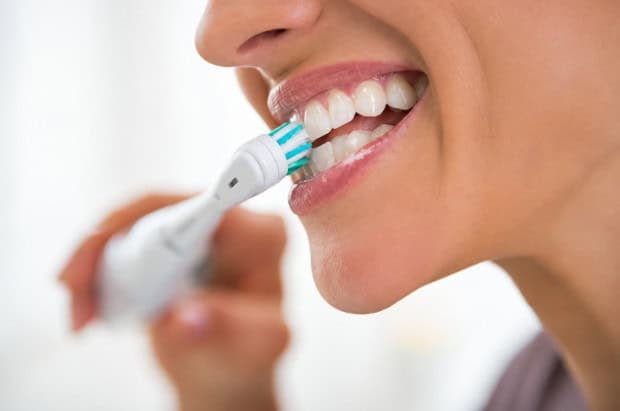
Crowns should be brushed twice daily. Floss or interdental brushes must be used around the crown margins, where plaque and food can collect.
Patients with a pont dentaire need additional cleaning beneath the replacement tooth. A floss threader, interdental brush, or water flosser may be recommended.
Hard objects should not be bitten with crowned teeth. Patients who grind their teeth may require a protective night guard.
How Long Do Dental Crowns Last?
Zirconia and metal-ceramic crowns can both remain functional for many years. Their lifespan depends on the supporting tooth, crown fit, bite, oral hygiene, and regular maintenance.
The crown material is only one part of long-term success. Decay can develop at the margin if plaque is not controlled, even though the crown itself cannot develop a cavity.
Gum recession may expose part of the tooth or crown margin. Porcelain can also chip, while cement can weaken and allow a crown to become loose.
Teeth grinding and strong bite forces increase mechanical stress. Regular dental checks allow small changes to be identified before they develop into larger problems.
Dental Crowns In Albania For International Patients
International patients considering dental crowns in Albania can begin with an online evaluation. Clear photographs and recent dental X-rays help the clinic understand the number and condition of the teeth involved.
Existing crown information is especially useful. Patients should explain whether the current restorations feel loose, cause pain, show dark margins, or no longer match the natural teeth.
The first online plan may estimate the treatment stages and length of stay. The final choice between zirconia and metal-ceramic crowns is confirmed after the teeth and gums are examined in Tirana.
Patients planning le tourisme dentaire en Albanie should allow enough time for preparation, temporary crowns, laboratory production, try-ins, and final bite checks. A large number of crowns may require several appointments during the same trip.
Questions fréquemment posées
Which Crown Is Better For Front Teeth?
Translucent or layered zirconia can provide a natural result for visible teeth without using a metal framework. The final choice depends on the tooth colour, gum position, available space, and neighbouring teeth.
Can A Metal-Ceramic Crown Develop A Dark Gum Line?
The metal framework does not normally change colour. However, gum recession can expose the darker crown margin or root area, creating a visible grey or dark line.
Can Zirconia Crowns Change Colour?
The ceramic material is resistant to internal colour change, but surface deposits can still affect its appearance. Professional cleaning and polishing may be required if stains collect around the crown.
Can Old Metal-Ceramic Crowns Be Replaced With Zirconia?
Yes, replacement may be possible after the old crowns are removed and the supporting teeth are examined. Decay, fractures, old posts, or limited remaining tooth structure may change the final treatment plan.
Conclusion
Zirconia crowns often look more natural because they have a tooth-coloured structure and do not create a visible metal margin. Modern translucent and layered options can also reproduce more of the light behaviour found in natural teeth.
Metal-ceramic crowns can still offer good strength and appearance when they are carefully designed. The best material is the one that matches the condition, position, and functional needs of the individual tooth.
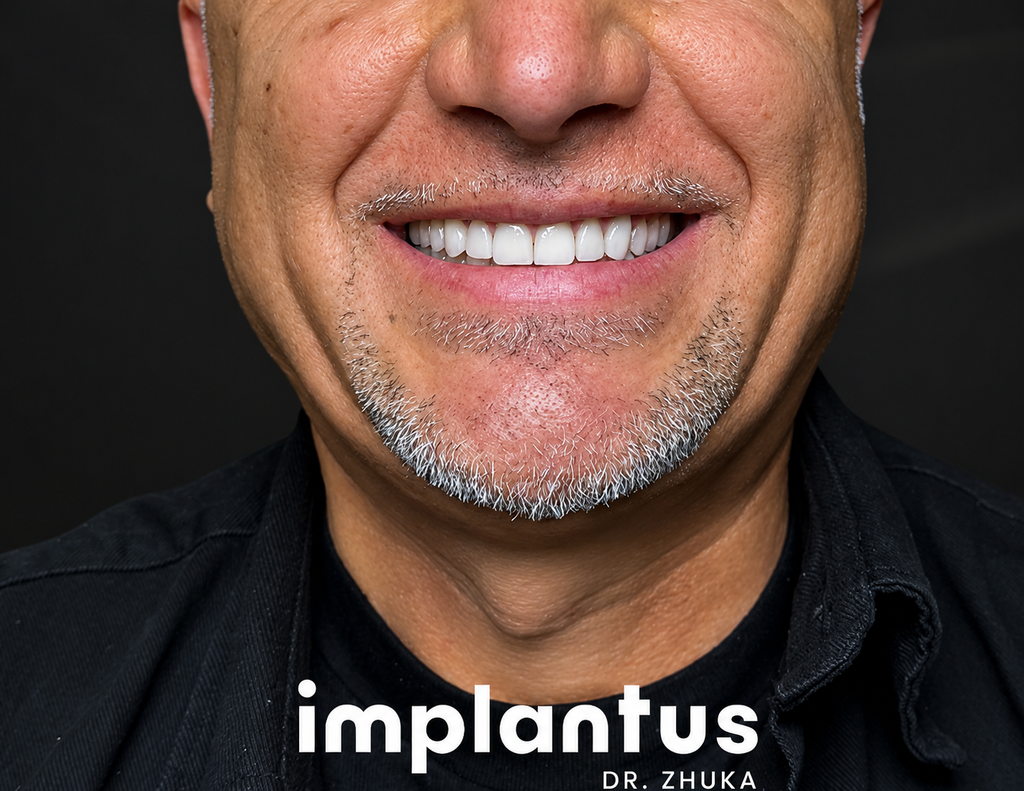
Does Your Crown Look Opaque, Dark Or Different From Your Teeth? 🦷
The material may be part of the problem, but it is not the only detail that should be examined. Crown shape, gum position, tooth colour, bite, and the quality of the existing margin can all affect the result.
Send Implantus by Dr. Roland Zhuka a clear photograph of your smile, a close-up of the crowns, and a recent dental X-ray. The team can review whether the restorations may need adjustment, treatment, or complete replacement.
📲 WhatsApp: +355 69 70 44 409
📧 Courriel : info@dr-rolandzhuka.com
📍 Clinic: Rruga Faik Konica, Tirana, Albanie
Choose your crown after understanding what your tooth needs—not only which material is more popular.


 Français
  English
  Italiano
  Shqip
Shqip