
Teeth whitening for sensitive teeth deserves a dental assessment before choosing a gel, tray or appointment. Some sensitivity comes from exposed dentin, inflamed gums, decay or cracks, and bleaching may temporarily increase discomfort. These ten questions will help you discuss suitability, precautions, realistic results and what to do if symptoms develop with the Implantus Dental Clinic team in Tirana.
First, Explain Exactly When Your Teeth Feel Sensitive
Sensitivity can cause sharp discomfort after cold water, while brushing, or when biting. These symptoms may have different causes, and persistent or unexplained problems need evaluation before whitening.
Tell your dentist which teeth react, how long discomfort lasts, and whether it has changed. Mention previous whitening, gum treatments, fillings, injuries, or enamel-related habits.
Is sensitivity caused by exposed dentin?
Enamel and gum tissue protect sensitive tooth structures. Enamel wear, gum recession, or exposed roots can make cold drinks, air, and brushing uncomfortable.
Decay, damaged fillings, and cracks may cause similar sensations. A proper examination helps distinguish a cosmetic concern from a dental condition that needs treatment before bleaching.
Question 1: Are My Teeth And Gums Ready For Whitening?
Whitening may be possible despite sensitivity, depending on its cause and severity. The dentist should check for cavities, gum inflammation, cracks, exposed roots, and other causes of discomfort.
In some cases, cleaning, restorative care, or treatment for gum problems comes first. Postponing an elective cosmetic procedure can be sensible when the mouth needs attention, even if the patient is eager for a brighter smile.
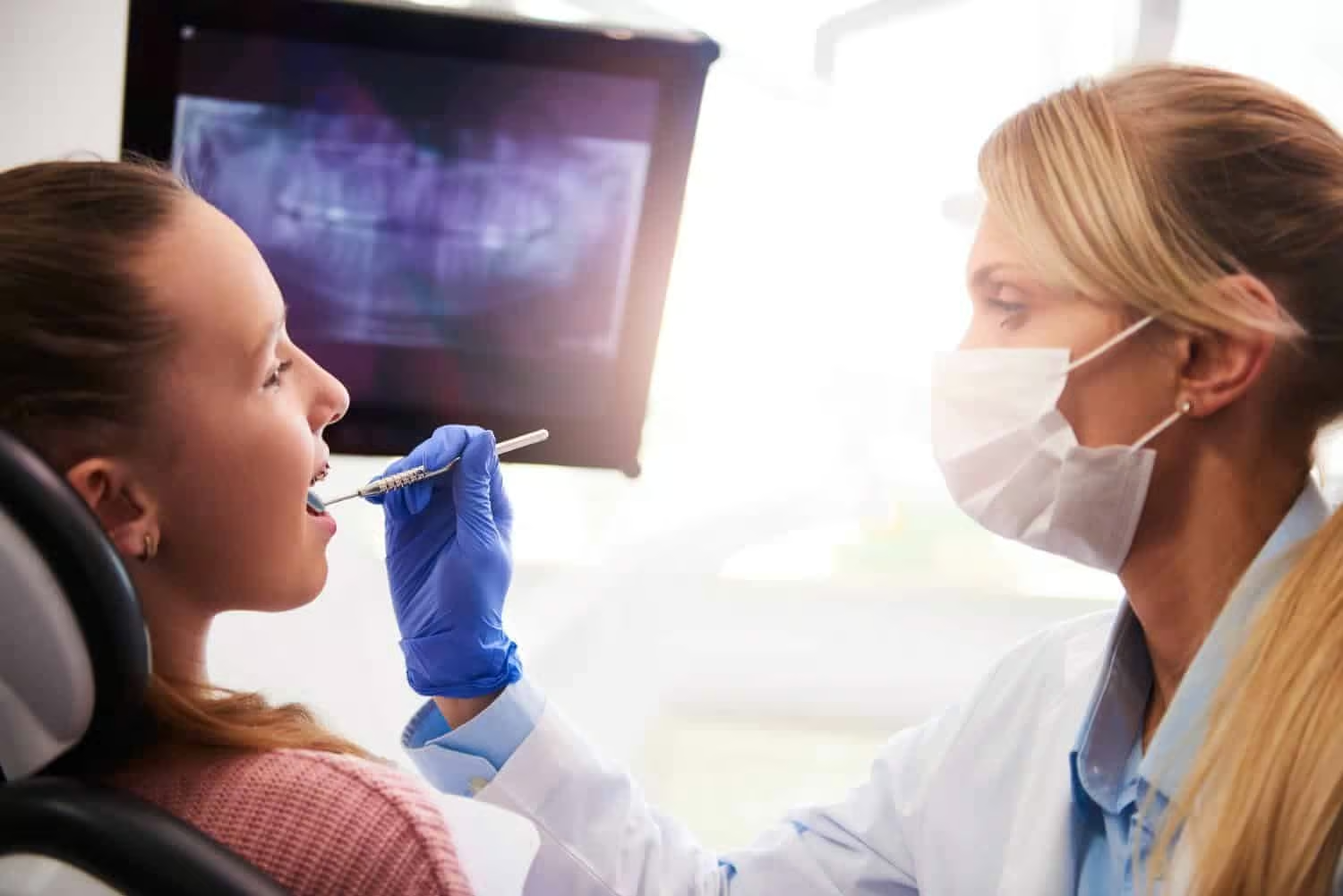
At Implantus, our professional teeth whitening service is discussed in the context of the patient’s oral health. We explain why one method may be reasonable for a particular smile while another might increase discomfort.
Question 2: Which Whitening Approach Would Suit My Sensitivity?
Not all whitening techniques expose teeth to the same concentration of bleaching agent or follow the same timetable. Dentist-supervised treatment may involve an in-office procedure or a prescribed home system, depending on the clinical assessment.
Blanchiment en cabinet
An office-based procedure allows the dental team to control application and protect soft tissues during treatment. However, professional supervision does not eliminate the possibility of sensitivity, and a faster visible change is not automatically the best choice for every patient.
Ask what the session involves and whether the plan can be adjusted if discomfort develops. Your dentist should also explain how gum tissues will be protected from the bleaching material.
Dentist-supervised home whitening
Some patients may be offered a home whitening system with prescribed gel and fitted trays. This approach can allow a different application schedule, although using it incorrectly can still irritate teeth or gums.
Discuss how much gel to use, how long to wear the trays, and whether rest days are appropriate. Never extend applications or use extra gel in an attempt to accelerate results.
Question 3: Can The Strength And Schedule Be Adjusted?
Patients often assume that stronger whitening products deliver the best treatment. In reality, gel concentration, exposure duration, number of applications, and individual tooth conditions all influence the balance between shade change and side effects.
Ask the dentist whether a different protocol may be appropriate because of your sensitivity. A slower schedule or shorter applications may be discussed, but no method can promise a completely sensitivity-free experience.
The important issue is finding an approach that fits your teeth rather than competing for the lightest shade in the shortest time. Stopping at a natural-looking improvement may be more sensible than repeatedly bleaching irritated teeth.
Question 4: Should Sensitivity Be Treated Before Whitening?
When sensitivity is linked to an underlying condition, that problem needs attention rather than being covered with whitening products. The dentist might recommend changes to your brushing technique, specific oral care products, or treatment for an exposed or damaged area.
Some desensitizing products contain ingredients such as potassium nitrate or fluoride, which may be considered in an individualized care plan. Their effects vary, and the dentist should advise how they fit with any proposed whitening treatment.
Tell the team if you have already tried sensitive-tooth toothpaste and whether it helped. That information may help clarify the pattern of discomfort and the next step in evaluating its cause.
Question 5: What Sensations Are Normal, And When Should I Stop?
Temporary sensitivity to cold can occur during or after whitening, even in people who did not previously have sensitive teeth. Gum irritation may also happen if bleaching material reaches soft tissues.
Ask what level of discomfort the dentist expects and how long it should reasonably continue. You should receive clear instructions for pausing treatment and contacting the clinic if symptoms become severe, persistent, or unusual.
Do not keep bleaching through significant pain because you believe it proves the product is working. Persistent toothache, swelling, or localized pain deserves reassessment rather than additional whitening sessions.
Our discussion of recovery after common dental procedures includes care considerations following whitening. The advice given for your own case should take priority over general timelines.
Question 6: Will My Fillings, Crowns, Or Veneers Change Color?
Whitening changes the appearance of natural teeth, but it does not bleach existing crowns, veneers, or tooth-colored fillings in the same way. If you have visible restorations, the surrounding enamel may become lighter while the restorative material remains unchanged.
This difference can create a new color mismatch, especially around the front teeth. Ask whether restorations may need reassessment after the whitening shade has settled and whether replacing them would be necessary or avoidable.
At Implantus, we also offer zirconia and E-Max crowns and dental veneers for patients who need restorative or aesthetic treatment. These procedures have different indications and should not be proposed merely because a whitening result is difficult to predict.
Question 7: What Shade Is Realistic For My Natural Teeth?
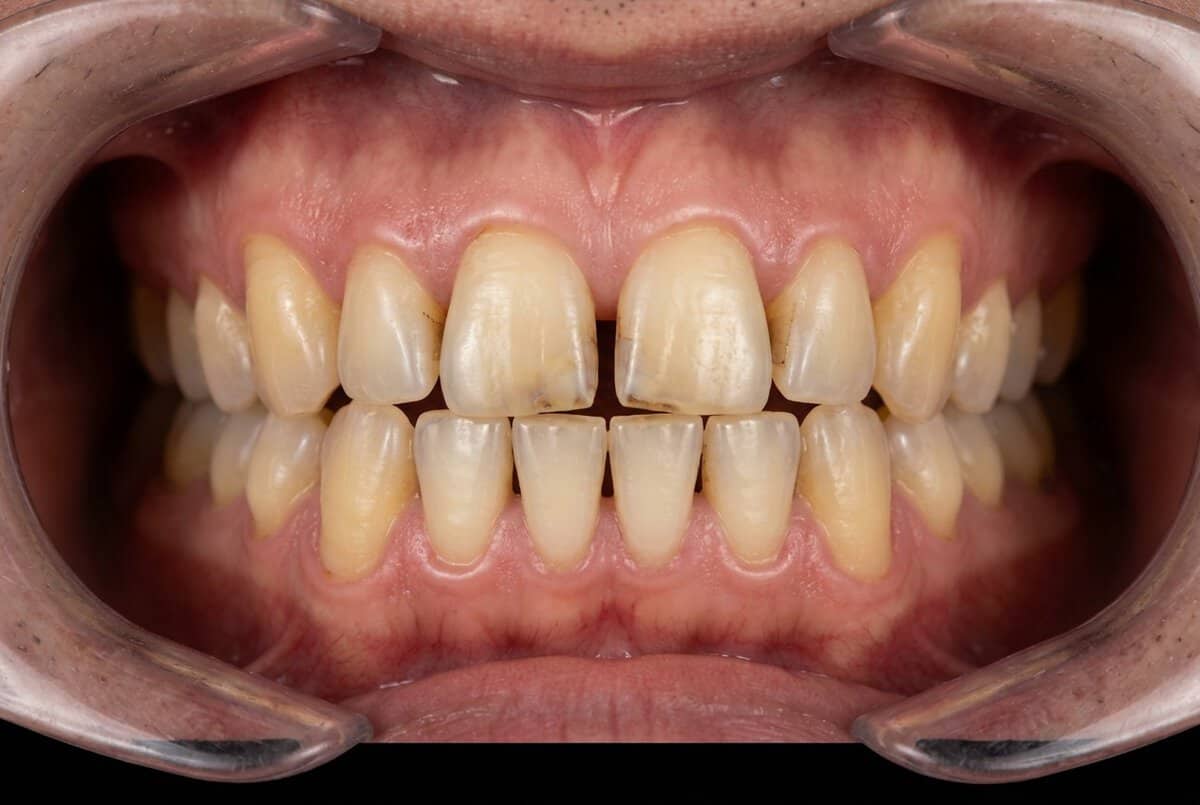
Whitening results depend partly on the starting color and the nature of the stains. Yellowish discoloration may respond differently from gray tones, internal staining, or changes associated with injury and previous dental treatment.
Ask your dentist what improvement is plausible without creating unnecessary sensitivity. A realistic discussion considers tooth translucency, enamel condition, facial appearance, and the color of surrounding restorations.
Our clinic’s Digital Smile Design service can contribute to broader aesthetic planning when several changes are being considered. However, a digital preview cannot guarantee that whitening will achieve one exact shade.
Question 8: What If Whitening Is Not Suitable For Me?
Sensitive teeth do not automatically require a veneer or crown instead of bleaching. If whitening is unsuitable, the first priority is understanding whether the teeth need medical treatment, observation, or no cosmetic intervention at all.
For particular localized defects, conservative bonding may sometimes address appearance without whitening every tooth. A veneer or crown may be considered when structural damage or persistent discoloration justifies a restoration, but these choices can involve irreversible preparation.
Ask what will happen to healthy tooth tissue and what maintenance the proposed option requires. A cosmetic alternative should solve an actual problem rather than introduce a larger intervention unnecessarily.
Question 9: Does Recent Dental Work Change The Whitening Plan?
Sensitivity can follow a filling, cleaning, or restoration adjustment. Persistent or worsening discomfort deserves evaluation.
Tell your dentist when the procedure occurred and whether the symptom began immediately afterward. The team can decide whether the tooth needs reassessment, additional healing time, or a revised whitening schedule.
If whitening is planned before crowns or veneers, discuss the order of care carefully. Natural teeth can change shade with bleaching, while permanent restorative materials must be matched separately.
Question 10: How Should I Plan Whitening Around Travel Or An Event?
Patients visiting Tirana sometimes hope to whiten their teeth shortly before a wedding, holiday, or trip home. A fixed deadline can create pressure to continue even when sensitivity suggests that a slower plan would be wiser.
Ask how many visits may be necessary, when shade can be assessed, and what happens if discomfort interrupts treatment. Leave time for clinical review rather than scheduling the last whitening application before an important event.
How Implantus Assesses Teeth Whitening for Sensitive Teeth
At Dr. Roland Zhuka’s clinic, the conversation should begin with your concerns, not a promised shade. We examine the teeth and gums, discuss previous sensitivity, and explain whether whitening fits your current oral health.

The appointment is also an opportunity to agree on expectations and practical precautions. A patient who already reacts strongly to cold drinks may need a different discussion from someone with healthy teeth seeking a modest cosmetic change.
What to tell the dental team
- When sensitivity started and whether it affects one tooth or several.
- Which triggers cause discomfort, including cold, heat, sweets, or brushing.
- Whether pain stops immediately or continues afterward.
- Any whitening strips, gels, trays, or abrasive products used.
- Existing crowns, veneers, fillings, gum recession, or previous dental injuries.
- Your desired shade and any important upcoming event or travel date.
These details help the team assess the problem and explain the available choices. They also make it easier to decide whether whitening should proceed, be modified, or be delayed.
What to Avoid When Whitening Sensitive Teeth at Home
Over-the-counter products can seem convenient, but combining strips, gels, and whitening toothpaste without guidance may increase irritation. More frequent applications do not necessarily produce a better aesthetic result. For independent background, see the NHS guide to teeth whitening.
Avoid using lemon juice, abrasive powders, or other improvised methods to scrub away stains. These approaches can contribute to enamel damage or gum irritation, especially when sensitivity already exists.
If a product causes significant discomfort, stop using it and seek dental advice. Save the packaging or ingredient list so the dentist can understand what you applied and how frequently.
Caring For Your Teeth After Whitening
Follow the specific instructions provided by your dental team after treatment. Temporary sensitivity may make very cold or hot foods uncomfortable, and a suitable oral care routine can help you avoid further irritation.
Continue gentle brushing with a fluoride toothpaste and maintain regular dental examinations. If you have been prescribed a desensitizing product, use it only as directed rather than adding several treatments independently.
Whitening results can change as new surface stains develop over time. Before arranging another whitening course, discuss your original sensitivity and whether repeat treatment is appropriate.
Our guide to maintaining professional whitening results provides additional daily-care considerations. It is important to prioritize tooth health over repeated attempts to achieve an increasingly brighter shade.
Questions fréquemment posées
Can I whiten my teeth if cold drinks already hurt?
Possibly, but existing cold sensitivity should be evaluated before whitening begins. The dentist may recommend treating an underlying cause or adapting the whitening approach.
Does professional whitening always prevent sensitivity?
No, sensitivity can occur even with dentist-supervised whitening. Professional assessment and controlled application can help manage risks, but they cannot remove them completely.
Will sensitive-tooth toothpaste make whitening painless?
Not necessarily, although some products may reduce sensitivity for certain patients. Ask your dentist which product, if any, is appropriate and when it should be used.
Can I continue whitening if my gums become irritated?
Do not continue an irritating product without guidance from your dentist. The application technique, fit of a tray, or treatment schedule may need review before proceeding.
Is a faster whitening treatment better for sensitive teeth?
Not automatically, because speed does not determine whether a whitening protocol suits your oral condition. The safest reasonable choice depends on your examination, sensitivity history, and treatment goals.
✨ Talk About Sensitivity Before Choosing A Brighter Shade
If you have avoided whitening because your teeth already feel sensitive, bring those concerns to Implantus Dental Clinic before trying another product. Our team can review your symptoms and discuss whether professional whitening, preparatory care, or another option makes sense.
- 📧 Courriel : info@dr-rolandzhuka.com
- 📞 Téléphone : +355 69 70 44 409
- 📍 Lieu : Rruga Faik Konica, Tirana 1001, Albanie
- 🌐 Contact: Ask our team about whitening