

Dental crowns are a common restorative treatment used to protect and restore damaged or weakened teeth. They cover the entire tooth structure, helping restore strength, function, and natural appearance. At Dr. Roland Zhuka’s clinic, dental crowns are carefully designed to match the patient’s teeth and provide long-lasting results.
What Are Dental Crowns And How Do They Restore Damaged Teeth?
Dental crowns are protective restorations designed to cover and strengthen a damaged or weakened tooth. They are shaped like natural teeth and are placed over the entire visible part of the tooth to restore its structure, function, and appearance.
Crowns are commonly used when a tooth is severely damaged, cracked, or weakened after treatments such as root canal therapy. By covering the tooth completely, the crown protects it from further damage and allows patients to chew and speak normally again.
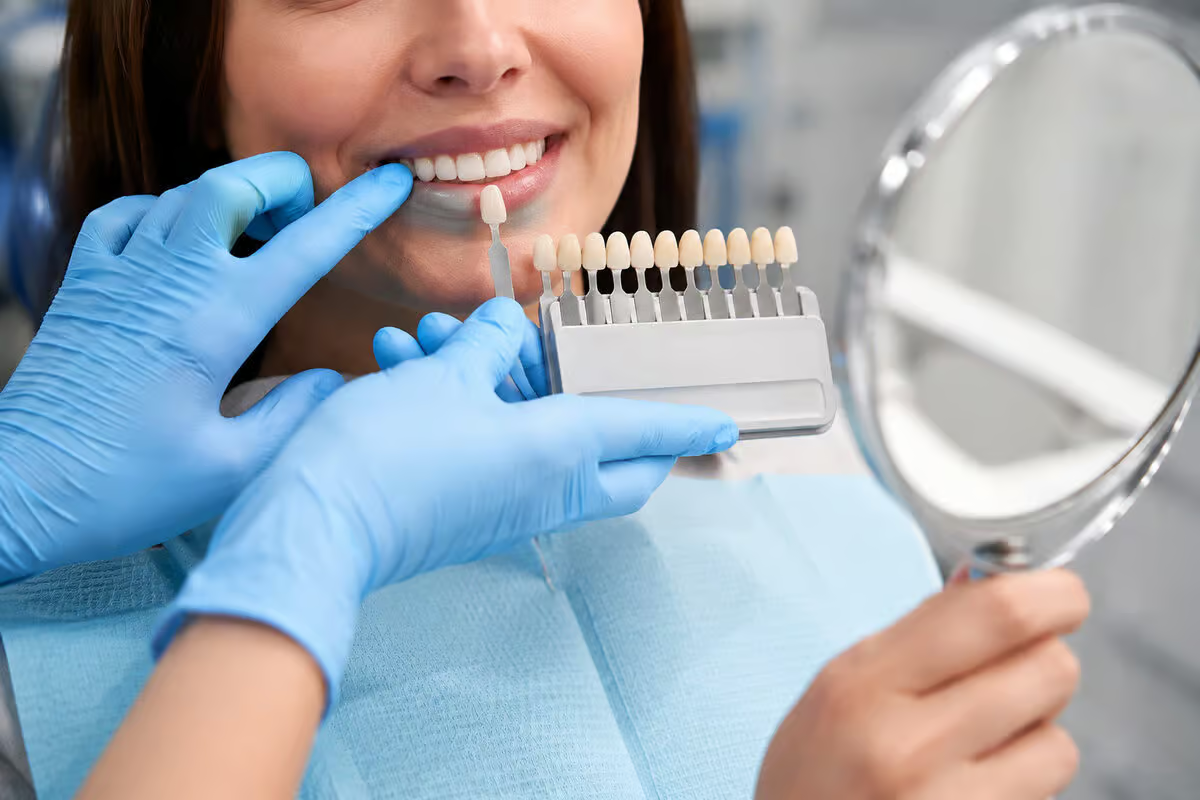
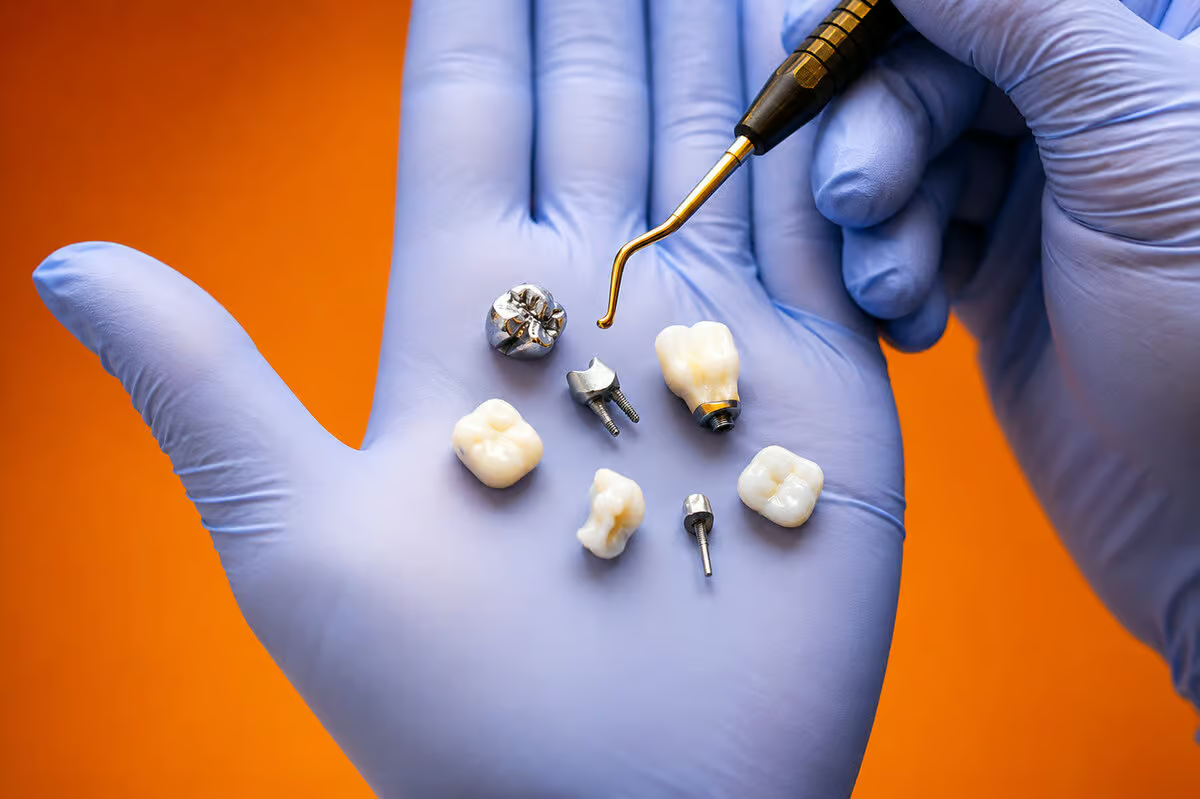
Modern dental crowns are made from strong and aesthetic materials such as zirconia, porcelain, or E-Max, allowing them to blend naturally with surrounding teeth. At Dr. Roland Zhuka’s clinic, crowns are carefully designed to restore damaged teeth while maintaining a natural-looking smile.

Signs You May Need A Dental Crown For A Damaged Tooth
A dental crown is often recommended when a tooth becomes too weak or damaged to function properly on its own. Recognizing the early signs can help protect the tooth and prevent further complications.
In many cases, crowns are used when other treatments, such as fillings, are no longer strong enough to restore the tooth.
Persistent Tooth Pain
Ongoing tooth pain can indicate that the structure of the tooth has been significantly weakened. A crown may be needed to cover and protect the tooth while restoring normal function.
Cracked Or Fractured Tooth
Teeth that are cracked or fractured are more vulnerable to further damage. A dental crown can reinforce the tooth and prevent the crack from worsening.
Large Dental Fillings
When a tooth has a very large filling, there may not be enough natural structure left to support it. A crown helps strengthen the remaining tooth and provides better long-term protection.
Tooth After Root Canal Treatment
After root canal treatment, teeth can become more fragile because the inner structure has been treated. A crown is commonly placed to protect the tooth and restore its strength.
Severe Tooth Wear
Teeth that are worn down due to grinding or long-term use may lose their natural shape and function. Dental crowns can restore the correct shape and improve bite function.
Types Of Dental Crowns Used In Modern Dentistry (Zirconia, Porcelain, E-Max)
Modern dentistry offers several types of dental crowns designed to restore damaged teeth while maintaining a natural appearance. The most commonly used crowns today include zirconia, porcelain, and E-Max crowns, each offering different advantages depending on the patient’s needs.
Dentists usually choose the type of crown based on factors such as tooth location, strength requirements, and aesthetic goals.
Zirconia Dental Crowns
Zirconia crowns are known for their exceptional strength and durability. They are often used for molars and back teeth where strong biting forces are present.
Key advantages of zirconia crowns include:
- Very strong and resistant to fractures
- Long-lasting restorative option
- Suitable for patients who grind their teeth
- Good aesthetic appearance with modern zirconia materials
Porcelain Dental Crowns
Porcelain crowns are widely used in cosmetic dentistry because they provide excellent aesthetics. They closely resemble natural teeth and blend well with surrounding teeth.
Common benefits of porcelain crowns include:
- Natural color and translucency
- Ideal for front teeth restoration
- Good aesthetic results for visible areas
- Custom-designed to match the patient’s smile
E-Max Dental Crowns
E-Max crowns are made from lithium disilicate ceramic, a material known for its combination of strength and beauty. They are often chosen when both durability and aesthetics are important.
Benefits of E-Max crowns include:
- Highly natural appearance
- Strong ceramic material
- Excellent for front teeth restorations
- Smooth and aesthetic smile results
At Dr. Roland Zhuka’s clinic, the most suitable crown material is selected based on each patient’s dental condition and aesthetic goals to ensure long-lasting and natural-looking results.
Step-By-Step Dental Crown Procedure: What Patients Should Expect
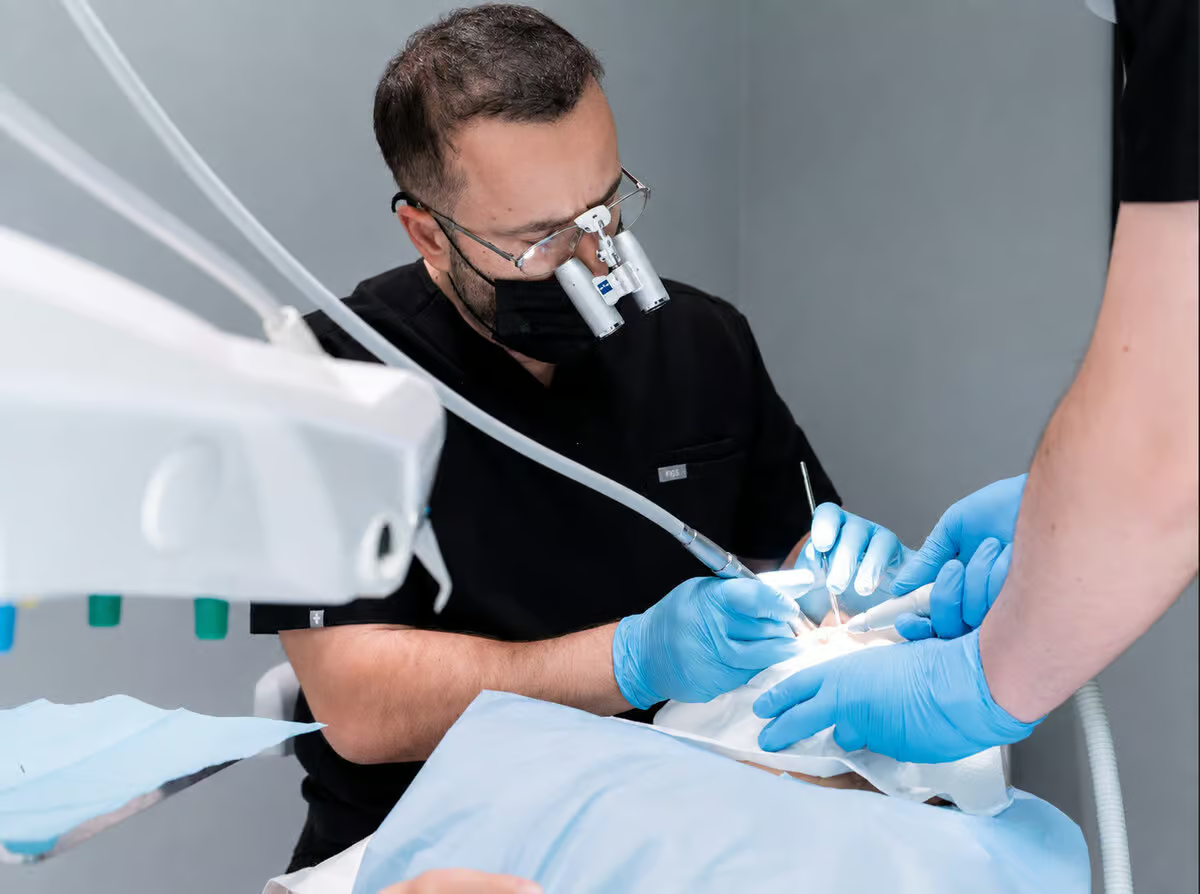
Getting a dental crown is a straightforward restorative treatment designed to protect and rebuild a damaged tooth. Knowing each step of the process helps patients feel more prepared and confident before treatment.
1. Initial Examination
The procedure begins with a dental check-up and evaluation of the damaged tooth. The dentist examines the tooth, checks the surrounding gums, and may take X-rays to see how much structure remains.
2. Tooth Preparation
Once the tooth is ready for treatment, it is shaped so the crown can fit properly over it. This step helps create enough space for the crown while allowing it to look and feel natural.
3. Impressions Or Digital Scans
After the tooth is prepared, impressions or digital scans are taken. These are used to create a crown that matches the shape, size, and color of the surrounding teeth.
4. Temporary Crown
In many cases, a temporary crown is placed while the final crown is being made. This protects the tooth and allows the patient to continue normal daily activities.
5. Final Crown Placement
Once the permanent crown is ready, the dentist removes the temporary crown and checks the fit, color, and comfort of the final one. The crown is then fixed in place to restore the tooth’s strength and appearance.
6. Final Adjustments
After placement, small adjustments may be made to ensure the bite feels normal and comfortable. The result is a restored tooth that looks natural and functions properly.

Benefits Of Dental Crowns For Protecting And Strengthening Teeth
Dental crowns are commonly used in restorative dentistry to protect damaged teeth and restore their strength. They cover the entire visible part of the tooth, helping improve function while also enhancing appearance.
Key benefits of dental crowns include:
- Protect weakened teeth that are cracked, worn, or structurally compromised
- Restore tooth strength and allow normal biting and chewing
- Improve the appearance of damaged or discolored teeth
- Cover teeth after root canal treatment to prevent fractures
- Support teeth with large fillings that no longer have enough natural structure
- Provide long-term protection against further damage
- Blend naturally with surrounding teeth when made from modern materials like zirconia or E-Max
How Long Dental Crowns Last And What Affects Their Lifespan
Dental crowns are designed to be a durable and long-lasting solution for restoring damaged teeth. With proper care and regular dental check-ups, most crowns can last 10 to 15 years or even longer.
The exact lifespan of a crown can vary depending on several factors, including the material used, daily habits, and oral hygiene.
Factors That Affect How Long Dental Crowns Last
Several key factors influence the longevity of dental crowns:
- Type of crown material (zirconia, porcelain, E-Max)
- Daily oral hygiene habits such as brushing and flossing
- Regular dental check-ups and professional cleanings
- Teeth grinding or clenching can place extra pressure on crowns
- Diet and chewing habits, especially biting very hard foods
When properly placed and maintained, dental crowns can protect and strengthen a tooth for many years. At Dr. Roland Zhuka’s clinic, crowns are carefully designed to provide durable results while maintaining a natural appearance.
Recovery And Aftercare Tips After Getting A Dental Crown
After getting a dental crown, most patients recover quickly and can return to normal activities the same day. However, following proper aftercare instructions is important to protect the crown and ensure long-lasting results.
It is normal to experience mild sensitivity or slight discomfort for a short time after the crown is placed. These symptoms usually improve as the tooth adjusts to the new restoration.
Important Aftercare Tips
To protect your dental crown and maintain oral health, patients should:
- Avoid very hard or sticky foods during the first days after placement
- Brush and floss daily to keep the crown and surrounding gums healthy
- Use a soft toothbrush to prevent irritation around the crown
- Avoid biting hard objects such as ice or pens
- Visit your dentist regularly for routine check-ups
- Use a night guard if you grind your teeth
With proper care and good oral hygiene, dental crowns can remain strong and functional for many years. At Dr. Roland Zhuka’s clinic, patients receive detailed aftercare guidance to help maintain their dental crowns and overall oral health.

Dental Crowns Vs Fillings Or Veneers: Which Treatment Is Best?
When a tooth is damaged or has cosmetic concerns, dentists may recommend fillings, veneers, or dental crowns, depending on the condition of the tooth. Each treatment serves a different purpose, and choosing the right option depends on the level of damage and the patient’s aesthetic goals.
Understanding how these treatments work can help patients make a more informed decision about restoring their teeth.
Dental Fillings: Best For Minor Tooth Damage
Dental fillings are commonly used to repair small cavities or minor tooth damage. They restore the tooth by filling the area where decay or damage has occurred.
Fillings are usually recommended when:
- The tooth has a small cavity or minor decay
- Only a small portion of the tooth structure is affected
- The tooth remains structurally strong
However, fillings may not be strong enough if a large part of the tooth is damaged.
Veneers: Ideal For Cosmetic Smile Improvements
Dental veneers are thin shells placed on the front surface of teeth to improve their appearance. They are mainly used for cosmetic dentistry rather than structural restoration.
Veneers are typically recommended for:
- Discolored or stained teeth
- Small gaps between teeth
- Slightly uneven or misshapen teeth
- Improving the overall appearance of the smile
While veneers improve aesthetics, they are not designed to restore heavily damaged teeth.
Dental Crowns: Best For Protecting And Rebuilding Damaged Teeth
Dental crowns are often the most suitable option when a tooth has been significantly weakened or damaged. Unlike fillings or veneers, crowns cover the entire visible part of the tooth.
Dental crowns are recommended when:
- A tooth is cracked, fractured, or severely worn
- A large filling has weakened the tooth
- The tooth has undergone root canal treatment
- The structure of the tooth needs full protection
Crowns restore strength, function, and appearance at the same time.
How Dentists Choose The Best Treatment
The choice between crowns, fillings, or veneers depends on the condition of the tooth. Dentists evaluate factors such as the amount of remaining tooth structure, the location of the tooth, and the patient’s aesthetic expectations.
At Dr. Roland Zhuka’s clinic, each patient receives a detailed evaluation to determine the most suitable treatment for restoring damaged teeth while maintaining a natural and healthy smile.

Cost Of Dental Crowns In Albania And What Influences The Price
The cost of dental crowns in Albania can vary depending on several factors, including the type of crown material, the complexity of the treatment, and the condition of the tooth. Many patients choose Albania for dental care because they can receive high-quality treatments at more competitive prices compared to many Western countries.
Another important factor that influences the price is the material used for the crown, such as zirconia, porcelain, or E-Max. These materials differ in strength, aesthetics, and durability, which can affect the overall cost of the treatment.
At Dr. Roland Zhuka’s clinic, every patient receives a detailed examination before treatment so the most suitable crown type can be recommended. The final cost depends on the patient’s dental needs and the treatment plan required to restore the damaged tooth.


 English
  Italiano
  Shqip
Shqip  Français