

Have you worn dentures for years and wonder whether dental implants are still possible? At Dr. Roland Zhuka’s clinic, many patients with long-term tooth loss and dentures discover they may still be candidates for advanced dental implant solutions, even after 10 years. This guide explains how Dr. Roland Zhuka evaluates bone loss, jaw condition, and treatment options to help patients restore fixed teeth with confidence.
Are You Still a Candidate for Dental Implants After 10 Years of Dentures?
Wearing dentures for 10 years does not automatically mean dental implants are no longer possible. In many cases, patients who have used removable teeth for a long time can still qualify for implant treatment, especially when the mouth is evaluated with modern imaging and careful planning.
What matters most is not simply the number of years you have worn dentures, but the condition of your jawbone, gums, and overall oral health. Even when some bone loss has happened over time, advanced implant solutions can often make treatment possible for patients who thought they had run out of options.
At Dr. Roland Zhuka’s clinic, every case is studied in detail to understand what is happening beneath the surface and which treatment approach can offer the best result. For many patients, this becomes the first real step toward leaving unstable dentures behind and moving closer to fixed teeth that feel stronger, more comfortable, and more natural.
How Long-Term Denture Use Can Affect Your Jawbone
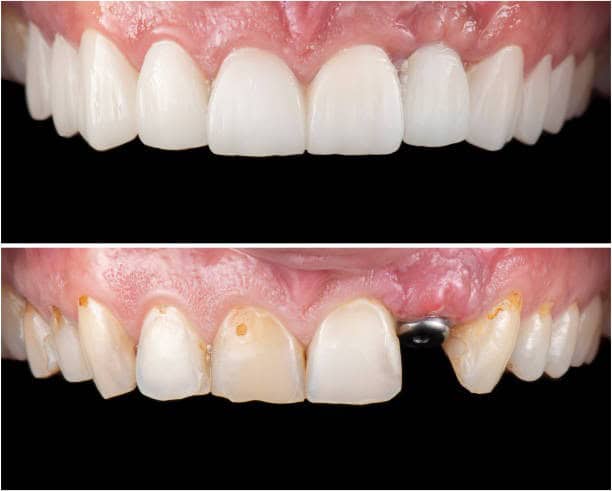
Wearing dentures for many years can slowly change the shape and density of the jawbone. Once natural tooth roots are gone, the bone no longer receives the stimulation it needs, which means it can begin to shrink little by little over time.
This is one of the main reasons long-term denture wearers often notice changes in fit, comfort, and bite strength. Dentures that once felt secure may start to move more, feel less stable, and create daily frustration during eating or speaking.
Common effects of long-term denture use:
- Bone loss in the jaw that reduces support for future treatment
- Loose or unstable dentures that shift more easily
- Changes in facial shape caused by reduced bone volume
- More difficulty chewing certain foods comfortably
- Less confidence when speaking or smiling in social situations
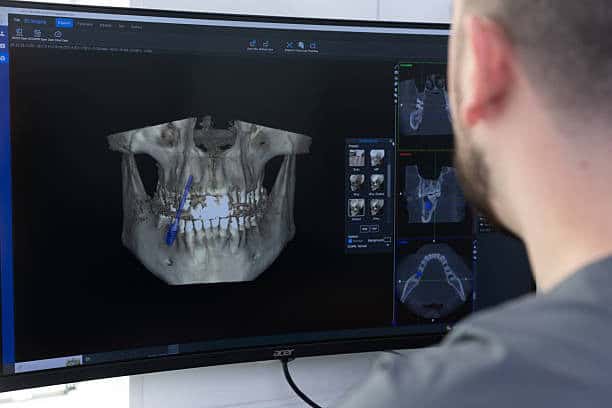
Even so, these changes do not always mean dental implants are out of reach. At Dr. Roland Zhuka’s clinic, advanced imaging and detailed treatment planning help determine how much bone remains and which implant options may still be possible.
Why Bone Loss Does Not Always Mean You Cannot Get Implants
Bone Loss Is Common, But Not Always the End
Bone loss is one of the biggest concerns for patients who have worn dentures for many years, but it does not automatically mean dental implants are no longer possible. Many people assume they have no options left, when in reality modern implant dentistry can often help even in more complex situations.
Modern Implant Solutions Can Treat Complex Cases
Today, there are advanced techniques that can make implant treatment possible even when the jawbone has changed over time. What matters most is finding the right approach based on the amount of available bone, the area affected, and the overall condition of the mouth.

A Detailed Evaluation Changes Everything
This is why a professional assessment is so important before ruling out treatment. At Dr. Roland Zhuka’s clinic, advanced imaging and careful planning help reveal whether a patient may still be suitable for implants, even after years of bone loss and long-term denture use.
You May Have More Options Than You Think
In many cases, patients who were once told they were not eligible for implants discover that newer treatment methods can open the door again. With the right diagnosis and expertise, bone loss does not always stop the possibility of restoring fixed, stable, and more natural-looking teeth.
What Dr. Roland Zhuka Looks at Before Recommending Treatment
Bone Levels and Jaw Structure
Before recommending any treatment, Dr. Roland Zhuka carefully examines how much bone is available and how strong the jaw structure is. This step helps determine whether traditional implants may be possible or if a more advanced solution is the better option.
Gum Health and Oral Condition
Healthy gums are just as important as healthy bone when planning dental implants. The condition of the soft tissues, signs of inflammation, and the overall health of the mouth all play a major role in building a safe and long-lasting treatment plan.
How Long You Have Worn Dentures
Patients who have worn dentures for many years often experience changes in the jaw over time, which is why this history matters. Dr. Roland Zhuka looks closely at how long the dentures have been used, how they fit today, and whether they may have contributed to bone changes or instability.
Bite, Function, and Treatment Goals
Treatment is not planned by looking only at scans, but also by understanding how the patient bites, speaks, and functions every day. Just as important, Dr. Roland Zhuka considers what the patient wants to achieve, whether that means better stability, improved comfort, or a full return to fixed teeth.
Which Implant Options May Be Available After Years of Wearing Dentures
Full-Arch Implant Solutions — For patients who have worn dentures for years, full-arch treatments are often among the first options considered. On Dr. Roland Zhuka’s website, All-on-4, All-on-6, and All-on-8 are presented as fixed full-mouth solutions, with the final choice based on anatomy, bone quality, and the patient’s specific needs.
Advanced Implants for Severe Bone Loss — When long-term denture use has caused major bone loss, treatment may still be possible through more advanced implant techniques. Dr. Roland Zhuka’s site specifically highlights zygomatic, pterygoid, and transnasal implants as options used in more complex cases where traditional implants may not be enough.
Bone Grafting in Selected Cases — Some patients may need extra preparation before implants can be placed safely. The website also includes bone grafting as a treatment for rebuilding damaged or reduced bone when there is not enough natural support for implants.
Immediate or Delayed Loading — Not every patient follows the same treatment timeline after years of wearing dentures. Dr. Roland Zhuka’s site lists both immediate loading and delayed loading implantology, which shows that the treatment plan can be adapted based on healing, bone condition, and overall case complexity.
The Right Option Depends on Your Case — The main point is that there is not just one implant option for long-term denture wearers. Based on the treatments shown on his website, Dr. Roland Zhuka offers a range of solutions from traditional full-arch implants to advanced approaches for patients with more severe bone loss.
Can You Get Fixed Teeth Even If You Have Been Told No Before?
Being told “no” in the past does not always mean the answer is still no today. Many patients were rejected years ago because older treatment methods were more limited, while modern implant dentistry can now offer options for cases that once seemed too difficult.
Sometimes the problem is not that fixed teeth are impossible, but that the case needs a more advanced approach. Bone loss, long-term denture use, or complex jaw anatomy may require a different plan, not the end of treatment altogether.
This is why a second opinion can make a real difference. At Dr. Roland Zhuka’s clinic, patients who were once told they were not suitable for implants may discover that newer techniques can still make fixed teeth possible.
Why a previous “no” is not always final:
- Treatment methods have improved
- Advanced implant options now exist
- Complex cases can be planned differently
- A detailed evaluation may reveal new possibilities
For many patients, the most important step is not giving up after the first answer. What seemed impossible before may look very different when the case is studied with greater experience, modern imaging, and a treatment plan built around the real condition of the mouth.
Why Albania Is Becoming a Trusted Choice for Advanced Dental Implant Care
Patients looking for advanced dental implant care are no longer focusing only on the biggest or most expensive countries in Europe. More and more of them are turning to Albania because they want expert treatment, modern technology, and a more reasonable cost without spending months waiting.
What makes Albania stand out is the combination of specialized implant care and easier access to treatment. For many international patients, that means the chance to receive complex procedures in a shorter timeframe while still expecting detailed planning, professional standards, and a smoother overall experience.
Why more patients are choosing Albania:
- Lower treatment costs compared to many Western European countries
- Advanced implant options for more complex cases
- Modern clinics and digital planning for greater precision
- Faster scheduling without long waiting lists
- A growing reputation in dental tourism among international patients
For patients who want fixed teeth, better function, and a clear treatment plan, Albania is becoming a destination they are more willing to trust. When expertise, technology, and affordability come together, the idea of travelling for treatment starts to feel like a smart decision instead of a risky one.
Frequently Asked Questions
Can I still get dental implants after wearing dentures for 10 years?
Yes, many patients can still be candidates for dental implants even after wearing dentures for many years. The most important factors are the condition of the jawbone, gums, and overall oral health.
Does wearing dentures for a long time cause bone loss?
Yes, long-term denture use can contribute to bone loss because the jawbone no longer receives stimulation from natural tooth roots. This is why some patients notice looser dentures, facial changes, or reduced comfort over time.
If I have bone loss, does that mean I cannot get implants?
Not always. Some patients with bone loss may still be able to get implants through advanced treatment options, depending on how much bone is available and which areas are affected.
What implant options may be available after years of dentures?
Depending on the case, treatment may include full-arch implants such as All-on-4 or All-on-6, or more advanced options for patients with greater bone loss. The right solution depends on a detailed examination and treatment plan.
Why choose Dr. Roland Zhuka for complex implant cases?
Dr. Roland Zhuka is known for advanced implant treatments and detailed case planning for patients with missing teeth, bone loss, or long-term denture use. A careful evaluation helps determine which treatment can provide the safest and most effective result.
Book a Consultation With Dr. Roland Zhuka
If you have been wearing dentures for years and want to know whether fixed teeth may still be possible, this is the right time to take the next step. Dr. Roland Zhuka offers advanced implant solutions for patients looking for more stability, better function, and a treatment plan built around their case.
✨ Take the first step toward fixed teeth with a treatment plan designed around your needs.
🦷 Discover whether you are still a candidate for dental implants even after years of wearing dentures.
📍 Meet Dr. Roland Zhuka for advanced implant care, detailed evaluation, and modern solutions for complex cases.
📞 Book your consultation today and find out which implant option could be right for you.



 English
  Italiano
  Shqip
Shqip  Français