
The Dr. Roland Zhuka international training record covers surgical implantology, bone reconstruction, full-arch rehabilitation and digital smile planning. For patients at Implantus Dental Clinic in Tirana, the useful question is how documented training influences case selection and treatment decisions, not simply how many certificates a clinician holds. Below, we connect his training milestones with the clinical work they can inform, while explaining why credentials cannot guarantee an individual result.
What International Training Means for a Patient’s Treatment
Implant dentistry involves more than placing artificial roots. A clinician must consider anatomy, gum health, healing, bite forces, materials, and the appearance of the finished teeth.
Training programs address different parts of this process. Surgical courses cover anatomical challenges, while prosthetic and aesthetic education connects implant positions with a functional, natural-looking restoration.
International courses let clinicians exchange approaches across healthcare systems. Yet certificates cannot guarantee outcomes; sound judgment, experience, and careful assessment remain essential.
Patients should consider how Dr. Zhuka’s education relates to their treatment needs. His professional biography documents the training programs, meetings, and courses behind that experience.
Rome: The Foundation In Advanced Implantology
Dr. Zhuka completed advanced implantology training in Rome and further education in Berlin. That foundation shaped his work in full-arch rehabilitation and challenging implant cases.
Advanced implantology requires attention to the location and quality of bone, the structures surrounding an implant, and the position of the final replacement tooth. It also involves knowing when standard implant placement is unsuitable and another procedure should be considered.
At Implantus, these principles inform the assessment of patients with multiple missing teeth and complex treatment histories. The objective is to select a treatment that fits the anatomy and restorative needs, rather than applying one technique to everyone.
New York, 2018: Full-Arch Rehabilitation And Immediate Loading
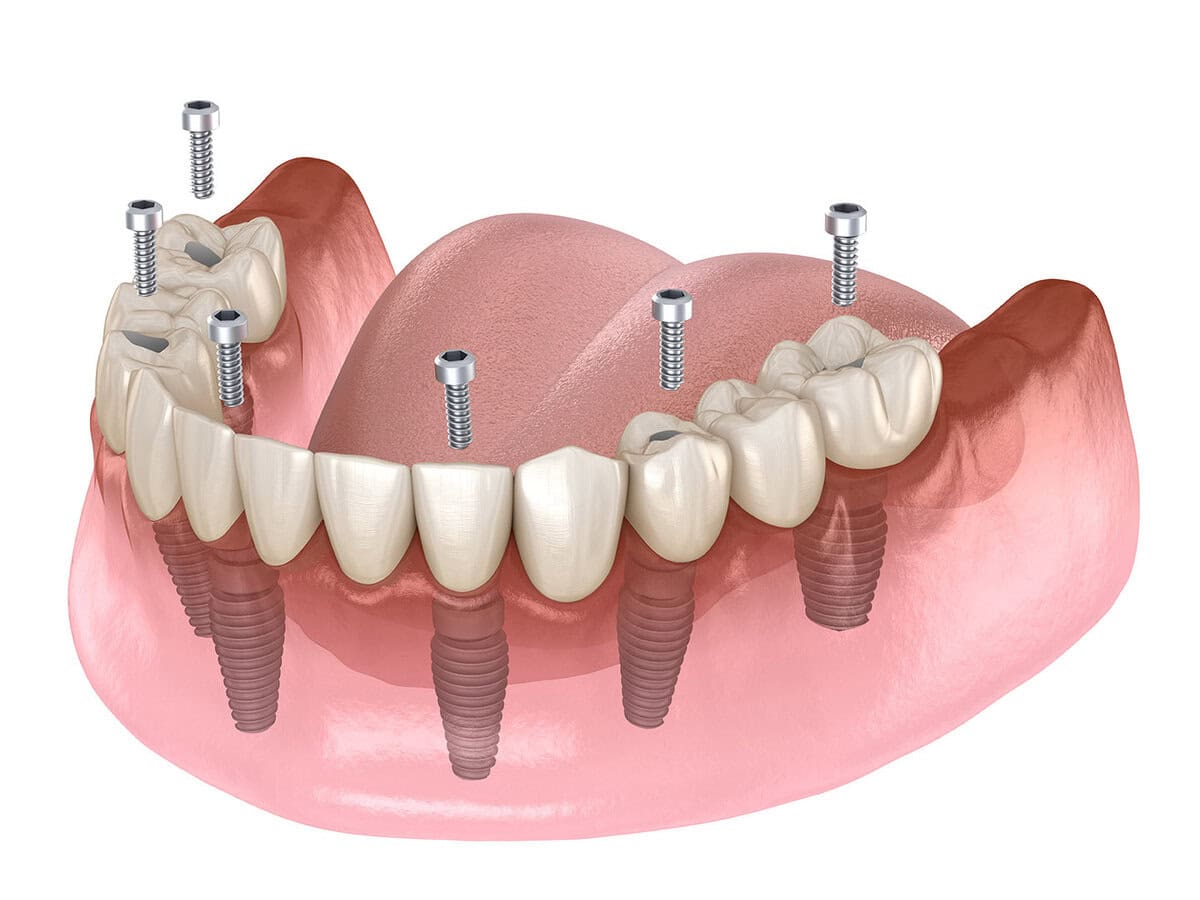
In November 2018, Dr. Zhuka attended the Greater New York Dental Meeting and training covering full-arch immediate loading. This field examines how implants can support provisional fixed teeth early in treatment when clinical conditions permit.
For someone who has lost most or all teeth, the distinction between a temporary fixed restoration and the final bridge is especially important. Immediate loading depends on factors such as implant stability, bone conditions, and how forces will be controlled during healing.
The educational value extends beyond faster treatment timelines. It involves coordinating surgery and prosthetic planning so provisional teeth can meet the patient’s immediate needs without ignoring biological limitations.
Our clinic offers full-arch implant treatments with different implant configurations and loading approaches. Dr. Zhuka determines suitability through individual assessment, rather than promising immediate fixed teeth to every patient.
Lisbon, 2019: Engagement With Implant Research
Dr. Zhuka attended the European Association for Osseointegration congress in Lisbon in September 2019. The meeting brought together clinicians and researchers discussing developments in implant dentistry, treatment planning, and long-term clinical considerations.
He is also listed by the clinic as a member of the European Association for Osseointegration. Membership and conference participation provide opportunities for continued learning, although they should not be interpreted as a guarantee of individual clinical outcomes.
For patients, this commitment matters because implantology continues to evolve as research develops. Decisions about timing, materials, complication prevention, and follow-up should be informed by the patient’s condition and current clinical evidence.
Rome, 2022: Specialist Education In Zygomatic Implants
In November 2022, Dr. Zhuka completed a zygomatic implantology program at Saint Camillus International University of Health Sciences in Rome. His published biography records that he completed the course with honors, described as Con Lode.
Zygomatic implants are longer implants anchored in the cheekbone region rather than relying entirely on the upper jawbone. They may be considered for selected patients with substantial upper-jaw bone loss who cannot receive conventional implants in the usual positions.
This is a demanding anatomical area, where detailed imaging and specialized surgical planning are particularly important. Not every patient with reduced bone needs zygomatic implants, and some may be better suited to grafting, other advanced implant techniques, or a different restoration.
Patients interested in this option can explore our dedicated guide to zygomatic implants. A consultation is necessary to determine whether the technique is relevant to their anatomy and overall health.
Frankfurt, 2023: Advanced Implant Therapy And Bone Reconstruction
Dr. Zhuka’s continuing education in Frankfurt included two master classes associated with the Hürzeler/Zuhr Academy and Goethe University. In January 2023, he completed a program addressing contemporary implant therapy, followed by advanced hard-tissue defect reconstruction training in May.

Bone reconstruction is relevant when tooth loss, inflammation, or previous dental problems have reduced the bone available for implant placement. Depending on the situation, clinicians may consider bone grafting, ridge reconstruction, alternative implant positions, or a staged treatment sequence.
Additional training in reconstruction expands the range of problems a clinician can evaluate, but does not make every case suitable for surgery. The size and location of a defect, medical history, and the intended prosthesis still determine which approach is reasonable.
Our bone grafting information explains one area of treatment that may be considered before or alongside dental implants. Decisions about rebuilding bone should follow clinical examination and suitable imaging.
Dubai, 2023: Connecting Periodontal And Prosthetic Care
In February 2023, Dr. Zhuka attended training at MEDA Academy in Dubai on the perio-prostho approach and the transition from analog to digital workflows. The program addressed the relationship between periodontal tissues, restorative dentistry, and coordinated treatment planning.
Gums and supporting tissues influence how restorations look, how they are cleaned, and how they function over time. A crown or implant bridge cannot be planned only around the visible tooth shape while ignoring the condition of the surrounding tissues.
Digital workflows can help clinicians organize diagnostic information, plan restorative positions, and communicate treatment designs with laboratory teams. The most useful technology is the technology applied to a clear clinical question, not simply the newest device available.
At Implantus, this broader view is relevant to cases involving multiple crowns, implants, and gum concerns. We review the biological foundation and intended restoration together before proposing a sequence of treatment.
Istanbul, 2023: A Stronger Focus On Aesthetic Dentistry
Dr. Zhuka completed an aesthetic dentistry course with Dr. Galip Gürel in Istanbul in September 2023. The training emphasized practical aspects of smile appearance, restorative design, and the relationship between technical treatment and the patient’s facial features.
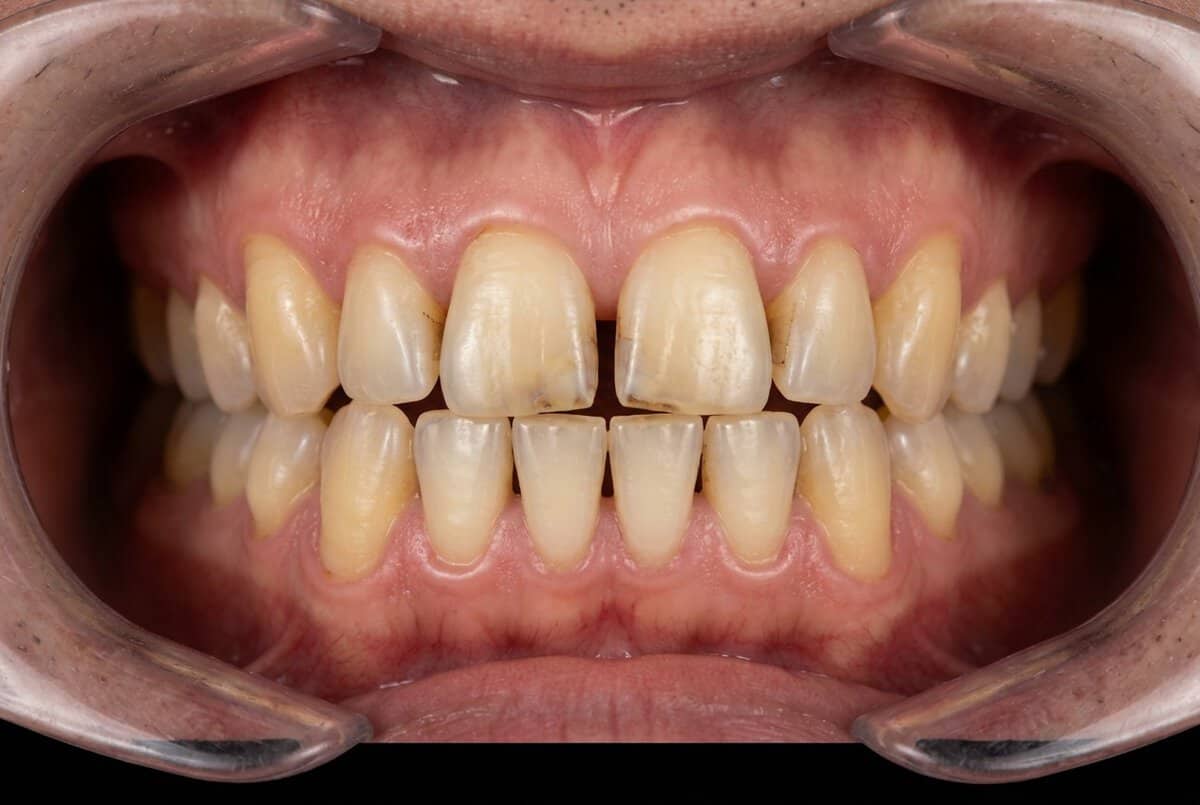
Natural-looking results involve several connected details, including tooth proportions, color, edges, gum contours, and how the smile appears during speech. A beautiful photograph cannot replace healthy teeth, a balanced bite, or an appropriate treatment indication.
This perspective is relevant when patients are considering dental veneers or other aesthetic restorations. Our team discusses the appearance patients hope to achieve while examining how much tooth preparation, if any, their situation requires.
United States, 2024: Designing Smiles With Specialists
In March 2024, Dr. Zhuka completed the Designing Smiles course with Christian Coachman and Michael Apa. His published training record identifies a 15-hour continuing education program through Dental Academy USA and Digital Smile Design.
Courses of this kind bring aesthetic planning into focus before irreversible treatment begins. Patients may benefit from discussing tooth shape, proportions, and overall smile characteristics in advance, especially when several restorations need to work together.
The purpose is not to make every smile look identical or follow a fashionable template. A treatment plan should account for each person’s facial features, existing teeth, functional requirements, and preferences.
London, 2024: Digital Smile Design Certification
In October 2024, Dr. Zhuka completed the Digital Smile Design Provider course in London under Christian Coachman. Implantus identifies this certification as an important development in its approach to aesthetic and restorative treatment.

Digital Smile Design, often called DSD, uses photographs, videos, and digital planning tools to explore how proposed teeth may relate to the patient’s face. The process can make treatment discussions more understandable because patients can participate in reviewing a planned appearance.
An on-screen design is a planning aid, not a promise that the final teeth will look exactly like the simulation. Clinical findings, materials, tooth preparation, gum response, and technical limitations can influence the final result.
Our clinic describes the process in detail on its Digital Smile Design page. This approach connects aesthetic expectations with the practical planning needed for veneers, crowns, and more extensive rehabilitation.
Monaco, 2025: Keeping Implant Knowledge Current
Dr. Zhuka attended the EAO and SFPIO congress in Monaco in October 2025 as an EAO member. His clinic’s biography highlights sessions related to the role of timing in implant treatment.
Treatment timing influences decisions about extractions, implant placement, provisional restorations, and healing intervals. These questions do not have one correct schedule for every patient, particularly when bone or gum conditions require additional preparation.
Continuing education can help clinicians revisit familiar procedures in light of emerging discussion and evidence. The practical benefit is an informed treatment conversation, supported by examination rather than a rigid timetable.
How Dr. Roland Zhuka International Training Shapes Care at Implantus
Dr. Zhuka’s training spans surgical implantology, reconstructive procedures, periodontal-prosthetic coordination, and aesthetic design. At Implantus Dental Clinic, these subjects meet when a patient needs more than an isolated dental procedure.
For example, someone with failing teeth and reduced upper-jaw bone may need anatomical assessment before any decision about implants or a final bridge. Another patient with healthy teeth but aesthetic concerns may need conservative restorative planning rather than surgery.
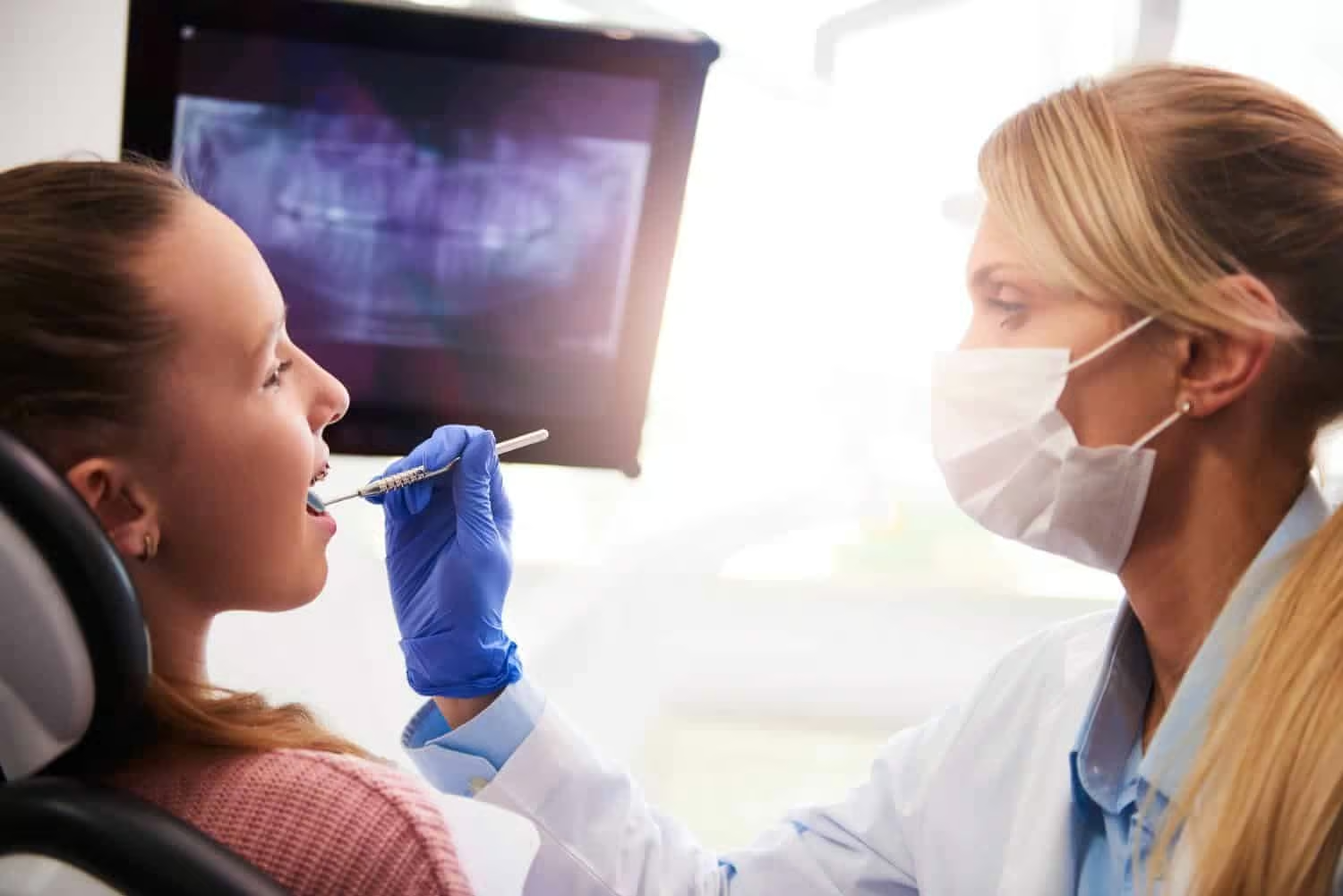
The clinic combines clinical examination with digital imaging and restorative planning for patients seeking implant treatment or cosmetic changes. Its treatment recommendations should always reflect each person’s findings, expectations, and available alternatives.
For international patients, the first exchange may involve medical history, recent scans, and photographs before a visit to Tirana. Remote communication can clarify possible next steps, although definitive decisions require an appropriate clinical assessment.
Questions to ask about training
Credentials matter most when they relate to your particular dental problem. Ask how the clinician’s education and experience inform your proposed treatment.
- Which training is relevant to my case?
- Have you treated similar anatomical challenges?
- What options exist if this approach is unsuitable?
- Who plans my restoration and follow-up?
These answers clarify why a procedure is recommended and where its limitations lie. They help patients evaluate training before agreeing to extensive dental treatment.
Frequently Asked Questions
Where did Dr. Roland Zhuka complete his advanced implantology training?
His official biography lists advanced implantology education in Rome and additional training in Berlin. It also records later professional courses and congress participation in New York, Lisbon, Frankfurt, Dubai, Istanbul, London, and Monaco.
What is the importance of his zygomatic implant training?
Zygomatic implant education addresses specialized solutions for certain patients with severe upper-jaw bone loss. Suitability depends on anatomical imaging and clinical evaluation, so the training does not mean this technique is necessary for every complex case.
Does Digital Smile Design guarantee a specific result?
No, a digital preview helps communicate the intended aesthetic direction but cannot guarantee the final appearance. The achievable result depends on clinical conditions, materials, treatment choices, and healing where applicable.
Are international certifications more important than experience?
Formal education, continued training, clinical experience, and sound judgment all matter. Patients should ask how the clinician’s relevant expertise informs their own diagnosis and proposed treatment rather than judging care by certificate counts alone.
Can international patients discuss treatment before traveling?
Yes, the clinic provides contact options for patients who want to share concerns and available dental records. Initial communication may help organize an appointment, but a final treatment plan depends on the necessary examination and investigations.
🌍 Explore The Expertise Behind Your Treatment
Choosing a dentist for complex or aesthetic work involves understanding the experience behind the proposed treatment, not only the procedure’s name. Share your dental concerns with Implantus and ask how Dr. Zhuka’s relevant training may inform the options available for your case.
- 📧 Email: info@dr-rolandzhuka.com
- 📞 Phone: +355 69 70 44 409
- 📍 Location: Rruga Faik Konica, Tirana 1001, Albania
- 🌐 Contact: Contact Implantus Dental Clinic