

Discovering bone loss during implant planning can feel discouraging, but it’s actually a common finding that doesn’t mean you can’t have dental implants. Dr. Roland Zhuka at Implantus Dental Clinic in Tirana, Albania, specializes in solving complex cases involving bone loss, helping patients who were told elsewhere they weren’t candidates for implants.
With over 20 years of advanced training in implantology from Italy, the United States, Portugal, and Germany, Dr. Zhuka has the expertise and technology to provide solutions even in challenging bone loss situations.
Why Bone Loss Happens
Understanding why bone loss occurs helps you make sense of your situation and the recommended solutions.
Common Causes of Jaw Bone Loss
Tooth Loss
When a tooth is lost, the jawbone no longer receives the stimulation it normally gets from the tooth root. As a result, bone resorption can begin within weeks after extraction and continues to progress over months and years. The longer a missing tooth is left untreated, the more bone is gradually lost.
Periodontal Disease
Gum disease is one of the main causes of bone loss in adults, as it destroys the structures that support the teeth. Bacterial infection leads to the breakdown of bone and can affect a single tooth or multiple areas of the mouth. In many cases, the condition progresses without pain until it reaches an advanced stage.
Denture Wear
Dentures do not stimulate the jawbone in the same way natural teeth do, which allows bone loss to continue over time. Constant pressure from dentures can accelerate this process, especially when they no longer fit properly. Long-term denture wearers may experience significant bone loss, with up to 25% occurring within the first year after tooth loss.
Trauma or Injury
Facial trauma can directly damage the jawbone or lead to infections that cause bone deterioration. Injuries from accidents, sports, or previous failed dental procedures may leave defects in the bone. Tooth fractures that extend into the bone can also contribute to localized bone loss.
Medical Conditions
Certain medical conditions can weaken bone structure or interfere with healing. Osteoporosis reduces bone density, while diabetes and hormonal changes, such as menopause, can negatively affect bone health. Some medications and autoimmune disorders may also increase the risk of bone loss.
Previous Infections
Untreated dental infections can destroy the surrounding bone over time. Abscesses, failed root canal treatments, cysts, tumors, and chronic infections all contribute to progressive bone damage. Addressing dental problems early is essential to prevent long-term bone deterioration.
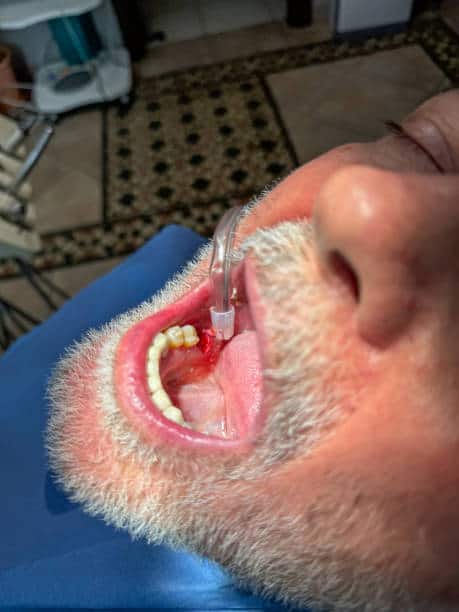
How Bone Loss Is Discovered
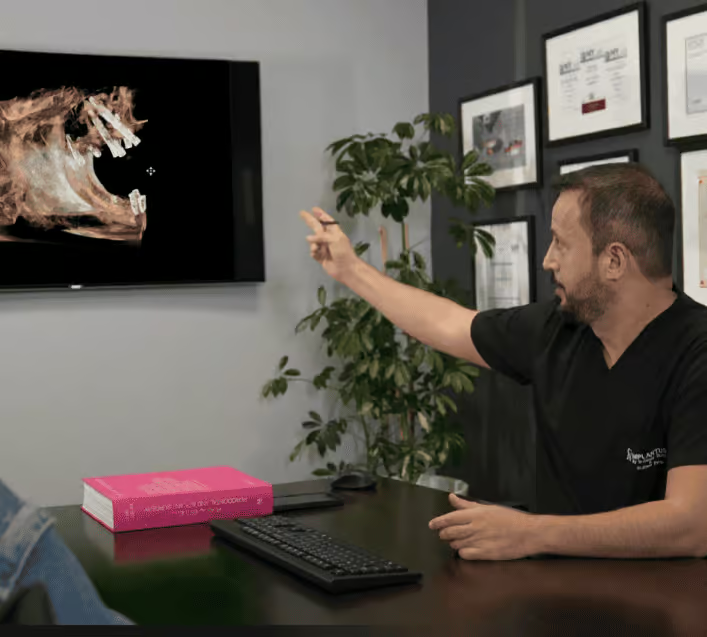
Dr. Zhuka uses advanced diagnostic tools to detect and measure bone loss precisely.
Advanced Diagnostic Methods at Implantus
3D CBCT Scanning:
- Cone Beam Computed Tomography
- Creates 3D image of your jaw
- Shows exact bone dimensions
- Reveals bone density
- Identifies anatomical structures
- Most accurate assessment available
Digital Panoramic X-rays:
- Full mouth overview
- Shows overall bone levels
- Identifies problem areas
- Quick initial assessment
- Helps plan further imaging
Clinical Examination:
- Visual inspection of gums
- Probing depths measurement
- Tissue quality assessment
- Bite evaluation
- Existing teeth stability check
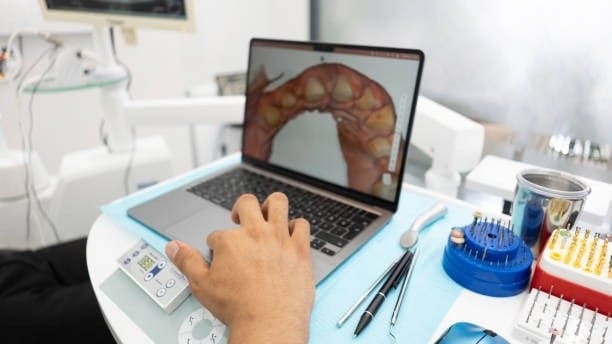
Computer Analysis:
- Precise bone volume calculations
- Density measurements
- Surgical planning software
- Virtual implant placement
- Risk assessment
What Dr. Zhuka Looks For
Bone Height:
- Vertical dimension from nerve/sinus to crest
- Minimum needed: 10mm for standard implants
- Less height requires special solutions
- Measurements taken at multiple points
Bone Width:
- Side-to-side dimension
- Minimum needed: 5-6mm typically
- Narrow ridges need augmentation
- Width varies along the arch
Bone Density:
- Type 1: Very dense, hard bone
- Type 2: Dense with thick cortical layer
- Type 3: Moderate density (most common)
- Type 4: Soft, low-density bone
- Affects implant stability and healing
Anatomical Proximity:
- Distance to maxillary sinus (upper jaw)
- Location of inferior alveolar nerve (lower jaw)
- Nasal cavity position
- Mental foramen location
- Available safe zones
What Happens After Bone Loss Is Discovered
Dr. Zhuka follows a systematic approach to address bone loss and create a successful treatment plan.
Step 1: Detailed Assessment and Explanation
Clear Communication:
- Dr. Zhuka shows you the 3D scans
- Explains exactly where bone loss exists
- Discusses severity and extent
- Answers all your questions
- No technical jargon, just clear facts
Severity Classification:
- Mild bone loss: Minor augmentation needed
- Moderate bone loss: Significant grafting required
- Severe bone loss: Advanced techniques necessary
- Complete evaluation of each area
Step 2: Discussing All Available Options
Dr. Zhuka presents multiple solutions tailored to your specific bone loss situation.
Treatment Options Include:
- Bone grafting procedures
- Sinus lift techniques
- Ridge expansion
- All-on-4 with angled implants
- All-on-6 for additional support
- Zygomatic implants
- Pterygoid implants
- Nasal implants
- Combination approaches
Step 3: Creating a Customized Treatment Plan
Personalized Strategy:
- Best solution for your bone loss pattern
- Timeline with realistic expectations
- Cost breakdown for transparency
- Risk assessment and success rates
- Alternative options if preferred
Solutions for Bone Loss: Your Options Explained
Solution 1: Bone Grafting
What It Is:
- Adding bone material to deficient areas
- Creates foundation for implant placement
- Natural or synthetic materials used
- Stimulates your body to grow new bone
Types of Bone Grafts:
Autogenous Grafts:
- Your own bone from another site
- Gold standard for bone grafting
- Highest success rate
- Requires additional surgical site
- Best integration with existing bone
Allogeneic Grafts:
- Human bone from tissue bank
- Thoroughly processed and sterilized
- No second surgical site needed
- Excellent results
- Widely used and safe
Xenografts:
- Animal-derived bone (usually bovine)
- Biocompatible material
- Acts as scaffold for new bone
- Gradually replaced by your bone
- Cost-effective option
Synthetic Grafts:
- Laboratory-created materials
- Calcium phosphate compounds
- Predictable outcomes
- No biological source needed
- Modern alternative
The Process:
- Graft material placed in deficient area
- Covered with protective membrane
- Healing period: 4-6 months typically
- New bone forms and matures
- Ready for implant placement
Dr. Zhuka’s Expertise: Trained in advanced bone grafting techniques in Italy and internationally, ensuring optimal results.
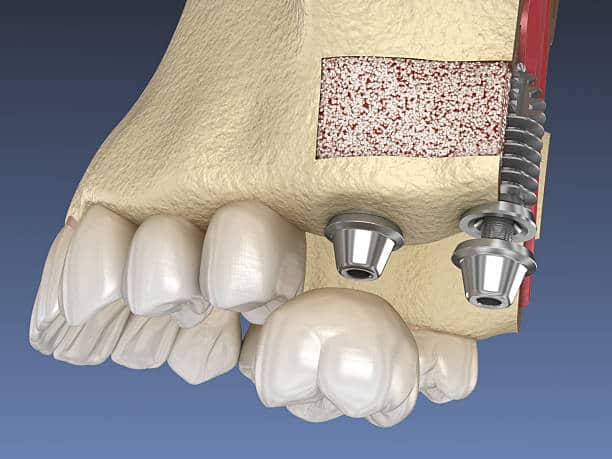
Solution 2: Sinus Lift (Maxillary Sinus Augmentation)
For Upper Jaw Bone Loss:
- Addresses bone loss below the sinus
- Creates space for adequate bone height
- Allows standard implant placement
- Very successful procedure
Two Approaches:
Lateral Window Technique:
- For more significant bone loss
- Access from side of sinus
- Larger area augmented
- Healing time: 6-8 months
- Highly predictable
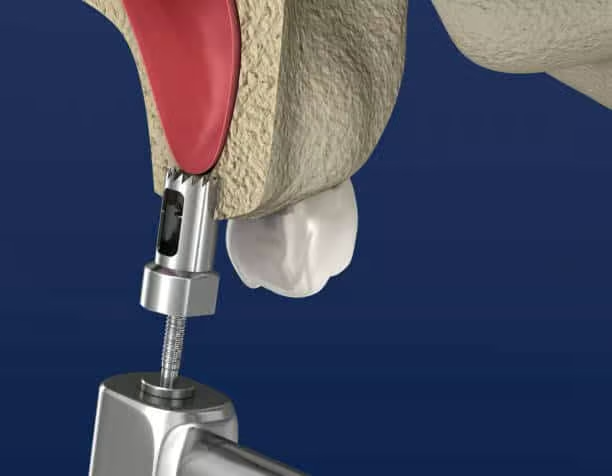
Crestal Approach (Osteotome):
- For minor bone deficiency
- Access through implant site
- Less invasive
- Implant may be placed simultaneously
- Shorter healing time
The Procedure:
- Sinus membrane gently lifted
- Space filled with bone graft material
- Membrane protects the graft
- Sinus function unchanged
- Bone develops over months
- Implants placed when ready
Success Rate: Over 95% success rate with experienced surgeons like Dr. Zhuka.
Solution 3: Ridge Expansion
For Narrow Bone Ridges:
- Widens insufficient bone width
- Allows proper implant placement
- Less invasive than traditional grafting
- Can place implants simultaneously sometimes
The Technique:
- Bone carefully expanded using special instruments
- Creates space for implant
- Maintains blood supply to bone
- Grafting material added if needed
- Immediate or delayed implant placement
Advantages:
- Single procedure possible
- Reduced treatment time
- Preserved bone vitality
- Excellent outcomes
Solution 4: All-on-4 Implants – The Bone Loss Solution
Why It Works:
- Specifically designed for bone loss cases
- Uses available bone efficiently
- Angled implants bypass problem areas
- Avoids anatomical structures
- Often eliminates the need for grafting

How It Addresses Bone Loss:
Anterior Placement:
- Two implants in front where bone is stronger
- Better bone quality in anterior region
- Natural teeth location previously
Angled Posterior Implants:
- 30-45 degree angle
- Bypasses sinus in upper jaw
- Avoids nerve in lower jaw
- Uses longer implants for better support
- Maximizes bone contact
Immediate Loading:
- Fixed teeth in 48 hours
- Temporary bridge placed immediately
- Start eating and smiling right away
- Bone stimulation begins immediately
- Prevents further bone loss
Dr. Zhuka’s All-on-4 Expertise: Known throughout Albania for precise, functional, and natural-looking All-on-4 results, especially in challenging bone loss cases.
Solution 5: All-on-6 for More Support
Enhanced Stability:
- Six implants instead of four
- Better for certain bone loss patterns
- More support distribution
- Redundancy for added security
When Recommended:
- Moderate to severe bone loss
- Soft bone quality
- Need maximum stability
- Larger jaw structure
- Heavy bite forces
Advantages Over All-on-4:
- More implant support
- Better force distribution
- Enhanced long-term stability
- More flexibility in placement
- Added peace of mind
Solution 6: Zygomatic Implants – Advanced Solution
For Severe Upper Jaw Bone Loss:
- Anchored in zygomatic bone (cheekbone)
- Bypasses maxillary bone completely
- No bone grafting needed
- Fixed teeth in 48 hours possible
The Innovation:
- Uses strong cheekbone as anchor
- Longer implants (30-50mm)
- Special surgical technique
- Immediate function possible
- Proven success since 1998
Who Benefits:
- Extensive upper jaw bone loss
- Multiple failed implants
- Previous failed grafts
- Sinus problems
- Patients wanting to avoid grafting
Dr. Zhuka’s Training: Specialized training in zygomatic implants in Rome, Italy, making him one of Albania’s leading experts in this advanced technique.
Solution 7: Pterygoid and Nasal Implants
Pterygoid Implants:
- Anchored in pterygoid bone (behind upper jaw)
- For posterior maxilla bone loss
- Avoids sinus lift procedures
- Provides back tooth support
- Part of All-on-4 or All-on-6 solution
Nasal Implants:
- Uses nasal floor for anchorage
- For anterior maxilla bone loss
- Complements other implants
- Advanced surgical technique
- Expands treatment possibilities
When Used:
- Severe localized bone loss
- Combination with zygomatic implants
- Customized full arch solutions
- Maximum stability needed
- Avoid extensive grafting
Solution 8: Combination Approaches
Common Combinations:
- Traditional implants + zygomatic implants
- All-on-4 + bone grafting in specific areas
- Sinus lift + immediate implants
- Ridge expansion + simultaneous placement
- Multiple techniques in one procedure
Benefits:
- Tailored to your exact situation
- Minimizes treatment time
- Optimizes success rates
- Uses best of each technique
- Most efficient path to success
The Treatment Timeline with Bone Loss
Understanding the timeline helps you plan and set realistic expectations.
Traditional Approach Timeline
Months 1-2: Bone Grafting Phase
- Initial bone grafting procedure
- Recovery and initial healing
- Post-operative monitoring
- Follow-up appointments
Months 3-6: Healing Period
- Bone graft matures
- New bone formation
- Regular check-ups
- Imaging to confirm healing
Month 7: Implant Placement
- Implants surgically placed
- Placed into matured grafted bone
- Temporary teeth option
- Begin osseointegration
Months 8-11: Osseointegration
- Implants fuse with bone
- Healing continues
- Temporary restoration worn
- Monitoring progress
Month 12: Final Restoration
- Permanent teeth fabricated
- Final placement and adjustments
- Treatment completed
- Long-term success begins
All-on-4/All-on-6 Timeline (No Grafting Needed)
Week 1: Complete Treatment
- Day 1-2: Arrival, final assessment
- Day 3: Surgery and temporary teeth
- Day 4-5: Recovery and follow-up
- Day 6-7: Final check, departure
Months 2-4: Healing at Home
- Remote monitoring
- Temporary teeth function well
- Regular updates to Dr. Zhuka
- Healing progresses
Month 5-6: Final Restoration
- Return visit or local dentist
- Permanent teeth fabricated
- Final placement
- Perfect smile achieved
Zygomatic Implants Timeline
Similar to All-on-4:
- Fixed teeth in 48 hours
- Immediate function
- 4-6 months healing
- Final restoration completed
- Total time: 6-7 months
The Advantage: Even with severe bone loss, you never go without teeth and avoid lengthy grafting periods.
Success Rates with Bone Loss
Modern techniques offer excellent success rates even with significant bone loss.
Success Rate Statistics
Bone Grafting + Implants:
- 90-95% success rate
- Well-established procedures
- Predictable outcomes
- Long-term studies support effectiveness
All-on-4 Solutions:
- 95-98% success rate
- Over 25 years of research
- Proven in bone loss cases
- Excellent long-term data
Zygomatic Implants:
- 95-97% success rate
- Studies show durability
- Effective for severe bone loss
- Growing body of evidence
Dr. Zhuka’s Results: With 20+ years of experience and advanced training, Dr. Zhuka’s success rates meet or exceed international standards.
Cost Considerations
Bone loss affects treatment costs, but Implantus offers affordable solutions.
Cost Factors
What Increases Costs:
- Extent of bone grafting needed
- Number of grafting procedures
- Type of graft material
- Additional surgical procedures
- Treatment complexity
- Total treatment time
Cost-Effective Options:
- All-on-4 often most affordable
- Avoids grafting expenses
- Fewer procedures overall
- Reduced total treatment time
- Single recovery period
Implantus Pricing Advantage
Significant Savings:
- Considerably less than Western Europe
- Considerably less than USA/UK
- Premium materials included
- No compromise on quality
- Same expertise, better value
Complete Packages Include:
- All diagnostic imaging
- Surgical procedures
- Premium implants and materials
- Temporary and permanent teeth
- Follow-up care
- Warranties (7 years implants, 5 years crowns)
Dental Tourism Benefits:
- Airport transfers
- 5 nights hotel accommodation
- Treatment in beautiful Tirana
- Professional care throughout
Preventing Further Bone Loss
Once treatment is planned, protecting remaining bone is important.
Before Treatment
Immediate Actions:
- Schedule treatment as soon as possible
- Maintain excellent oral hygiene
- Address any infections promptly
- Follow pre-operative instructions
- Optimize health conditions
After Implant Placement
Bone Preservation:
- Implants stimulate bone like natural teeth
- Stop progressive bone loss
- Maintain facial structure
- Preserve remaining bone
- Prevent adjacent bone loss
Long-Term Maintenance:
- Regular dental check-ups
- Professional cleanings
- Proper home care
- Healthy lifestyle choices
- Monitor implant health
Questions to Ask Dr. Zhuka
Come prepared to your consultation with these important questions:
About Your Bone Loss
- How severe is my bone loss?
- What caused it in my case?
- Can it be treated successfully?
- What are my realistic options?
- What happens if I wait longer?
About Treatment Options
- Which solution do you recommend for me?
- Why is this the best choice?
- What are the alternatives?
- What are the success rates?
- What are the risks?
About the Process
- How long will treatment take?
- How many procedures are needed?
- What’s the recovery like?
- Will I be without teeth at any point?
- What about pain management?
About Costs
- What’s the total investment?
- What’s included in the price?
- Are there payment options?
- What about travel expenses?
- Is there a warranty?
Why Choose Dr. Roland Zhuka?
Unmatched Expertise
With over 20 years of specialized experience, this level of care is built on deep clinical knowledge and international training. Expertise in complex bone loss cases and mastery of advanced techniques have led to thousands of successful treatments with predictable outcomes.
Advanced Technology
Modern technology plays a key role in precision and safety, starting with 3D CBCT scanning and computer-guided surgery. Digital smile design, premium-quality materials, and an in-house laboratory ensure accuracy, efficiency, and high treatment standards.
Proven Results
Results are backed by the trust of more than 3,000 satisfied patients and a strong international patient base. A 4.9-star Google rating with hundreds of five-star reviews reflects consistent success and patient confidence.
Comprehensive Care
Care extends beyond treatment to include complete packages and personalized support. Travel assistance, multilingual communication, long-term warranties, and ongoing follow-up ensure a smooth and supported experience from start to finish.
Schedule your free consultation today and discover how Dr. Roland Zhuka can overcome your bone loss challenges and give you the smile you deserve.
Don’t let bone loss hold you back. Solutions exist. Expertise is available. Your new smile is only one call away!



 English
  Italiano
  Shqip
Shqip  Français