

Creating a beautiful smile through dental implants is as much an art as it is a science. Dr. Roland Zhuka at Implantus in Albania has mastered both dimensions, combining technical precision with aesthetic sensibility to design smiles that look completely natural. His approach transforms dental implant procedures from purely functional interventions into comprehensive aesthetic restorations that enhance patients’ confidence and quality of life.
The Philosophy Behind Natural-Looking Implants
Many patients fear that dental implants will look artificial or obvious. This concern stems from outdated techniques and one-size-fits-all approaches that fail to account for individual facial characteristics and natural tooth anatomy.
Dr. Zhuka’s philosophy rejects cookie-cutter solutions. Instead, he approaches each case as a unique design challenge that requires careful analysis, artistic vision, and technical mastery.
Core principles of Dr. Zhuka’s approach:
- Individual facial harmony – Teeth are designed to complement each patient’s unique facial features
- Age-appropriate aesthetics – A natural appearance that aligns with the patient’s age and personality
- Functional excellence – A beautiful smile that also functions comfortably for eating and speaking
- Conservative treatment – Preserving as much natural tooth structure as possible
- Long-term planning – Solutions created for lasting performance and long-term satisfaction
- Patient collaboration – Patients are actively involved in aesthetic decisions throughout the process
This patient-centered approach ensures that the final result doesn’t just look good in isolation—it looks right for that specific individual.
Understanding What Makes a Smile Look Natural
Before diving into the technical aspects of implant placement, it’s important to understand what creates the perception of a natural smile. Dr. Zhuka considers multiple factors when designing prosthetic teeth.
Elements of natural smile aesthetics:
- Tooth proportions – Golden ratio relationships between tooth widths
- Gingival contours – Gum tissue architecture around each tooth
- Tooth texture – Surface characterization mimicking natural enamel
- Color variation – Subtle gradations rather than uniform white
- Translucency – Light transmission properties similar to natural teeth
- Tooth positioning – Slight imperfections that create character and authenticity
- Lip support – Proper fullness and contour of facial soft tissues
- Smile line – Curve of incisal edges following the lower lip contour
Creating authenticity requires attention to these details. Perfectly uniform, bright white teeth can actually look artificial because natural teeth display subtle variations and imperfections.
The Initial Assessment: Foundation of Great Design
Every successful implant restoration begins with a comprehensive assessment. Dr. Zhuka’s initial evaluation goes far beyond basic dental examination to capture the complete picture of a patient’s oral and facial characteristics.
Comprehensive diagnostic process:
- 3D cone beam CT scanning – Detailed visualization of bone structure and anatomy
- Digital photography – Multiple angles capturing facial features and existing smile
- Facial analysis – Evaluation of symmetry, proportions, and aesthetic relationships
- Bite relationship assessment – Understanding of jaw position and function
- Speech evaluation – Analysis of how teeth affect pronunciation
- Medical history review – Identification of factors affecting treatment planning
- Patient goals discussion – Clear understanding of aesthetic desires and expectations
This thorough assessment phase typically takes place during the first consultation. For international patients, much of this can be initiated remotely through submitted photographs and records, though in-person evaluation provides the most complete information.
Digital Smile Design: Visualizing the Future
One of the most powerful tools in Dr. Zhuka’s arsenal is digital smile design (DSD) technology. This computer-aided system allows patients to see their new smile before any treatment begins.
How digital smile design works:
- Facial photograph analysis – Digital evaluation of existing facial and dental proportions
- Virtual tooth positioning – Computer placement of ideal tooth shapes and arrangements
- Aesthetic refinement – Adjustments based on golden ratio and facial harmony principles
- Patient feedback integration – Modifications according to individual preferences
- Treatment roadmap creation – Translation of design into surgical and prosthetic plan
The DSD process transforms abstract concepts into concrete visualizations. Patients can see multiple design options and participate in selecting the look that feels right for them.
Precision Implant Placement Through Computer Guidance
The position of dental implants has enormous impact on both function and aesthetics. Even millimeter-level variations in placement angle or depth can affect the final appearance and long-term success of the restoration.
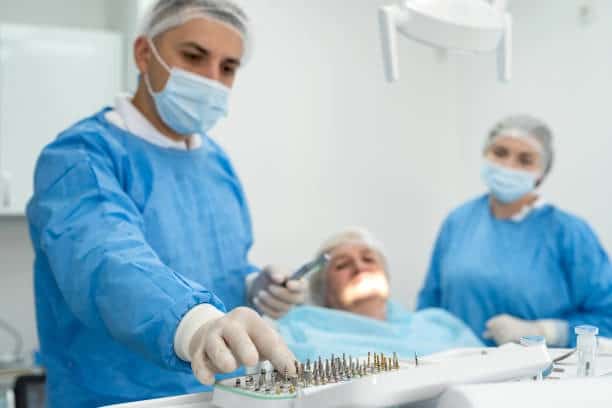
Dr. Zhuka utilizes computer-guided surgery to ensure implants are placed exactly where planning indicates they should be.
Computer-guided implant surgery process:
- Virtual implant positioning – Precise planning of ideal implant locations using advanced 3D software
- Anatomical considerations – Careful avoidance of nerves, sinuses, and other critical structures
- Prosthetic-driven planning – Implant placement guided by the final position of the teeth
Surgical guide fabrication – Custom-made templates that accurately direct the drilling process - Intraoperative accuracy – Real-time verification to ensure implants follow the digital plan
- Minimally invasive execution – Smaller incisions with reduced tissue trauma and faster recovery
This technology enables Dr. Zhuka to place implants with sub-millimeter accuracy, creating the ideal foundation for aesthetic prosthetic teeth.
Advantages of guided surgery:
- Predictable outcomes – Results that match the pre-planned design
- Faster procedures – More efficient surgery with clear guidance
- Reduced complications – Avoidance of anatomical hazards through precise planning
- Better aesthetics – Proper emergence profiles for natural-looking teeth
- Faster healing – Less invasive surgery promotes quicker recovery
The precision of guided surgery transforms implant dentistry from an approximation to an exact science.
Matching Natural Tooth Color: The Science and Art
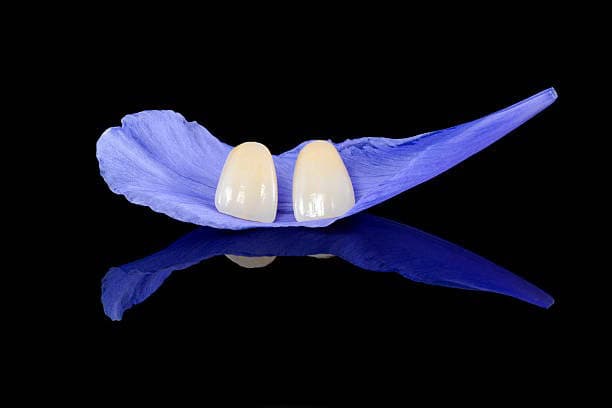
Matching natural tooth color is both a science and an art, as natural teeth are not a single, uniform shade of white. Instead, they show subtle variations across the surface and from one tooth to another, with differences in lightness, saturation, and undertones. The color often transitions from a slightly darker, more saturated tone near the gum line to a lighter and more translucent appearance toward the edges, giving teeth depth and a lifelike character.
To capture these nuances accurately, Dr. Zhuka relies on advanced shade-matching systems that analyze value, chroma, and hue while considering incisal translucency and cervical depth. Digital tools and spectrophotometer technology provide objective measurements, while evaluations under natural light and detailed photographic documentation ensure precise communication with the dental laboratory. Patient preferences are also discussed, allowing the final shade to reflect personal expectations without sacrificing realism.
The objective is not to achieve an unnaturally white smile, but to create teeth that look authentic and harmonious. By aligning color choices with the patient’s complexion, age, and facial features, the final result blends seamlessly and enhances the overall appearance in a natural, believable way.
Age-Appropriate Smile Design
A natural-looking smile must reflect the patient’s age, as dental features that suit a younger person may appear artificial on someone older, and vice versa. Factors such as tooth wear, enamel translucency, color depth, tooth length, and natural gum changes all evolve over time and play an important role in creating a believable result.
Dr. Zhuka designs smiles that align with the patient’s current stage of life while still offering a subtle rejuvenating effect. The focus is on gentle enhancement rather than dramatic change, preserving individual character and ensuring results feel realistic, elegant, and appropriate to the patient’s facial features. This balance allows patients to look refreshed without appearing overdone or artificial.
Functional Considerations in Aesthetic Design
A smile that looks beautiful but does not function properly is ultimately unsuccessful. For this reason, aesthetic design is always paired with functional planning to support comfortable eating, clear speech, and long-term stability. Proper bite alignment, balanced force distribution, natural jaw movements, and tooth positioning all contribute to daily comfort and performance.
Long-term durability is equally important, especially in implant restorations. Material selection, stress management, biomechanical alignment, and future maintenance are carefully considered to protect implants and surrounding structures. While these elements may not be visible, they are essential to ensuring that the final result feels natural, functions reliably, and remains satisfying for many years to come.
The Temporary Tooth Phase: Testing the Design
In most full-mouth implant cases, a temporary tooth phase is used between implant placement and the final restoration. Dr. Zhuka uses this interim stage strategically to test, evaluate, and refine the aesthetic and functional aspects of the smile before committing to the permanent solution.
Temporary restorations serve multiple important purposes during healing. They provide immediate aesthetics so patients are not left without teeth, while also allowing functional testing of bite relationships and speech. This phase helps condition the gum tissue into ideal contours and gives both the clinician and the patient the opportunity to assess tooth shape, position, and overall appearance in real-life conditions.
One of the greatest advantages of temporary teeth is flexibility. Patients can experience the planned design and request adjustments, such as slightly longer teeth, different proportions, or subtle aesthetic changes, all before the final prosthetics are created. These modifications can be tested comfortably during the provisional phase without risk to the final outcome.
The process begins with the placement of temporary teeth shortly after implant surgery, followed by a healing period that allows bone integration and tissue maturation. During this time, assessment appointments are scheduled to evaluate comfort, function, and aesthetics. Any necessary refinements are made based on clinical observations and patient feedback.
Once the design is fully approved, the final prosthetic teeth are fabricated and placed. This step-by-step, iterative approach ensures that the permanent restoration is not only visually pleasing but also thoroughly tested, refined, and optimized for long-term success before being finalized.
Material Selection for Natural Aesthetics
Materials used in implant restorations have evolved significantly over the years, allowing for results that closely mimic natural teeth. Dr. Zhuka selects materials based on each patient’s aesthetic goals, bite dynamics, and clinical needs, ensuring both visual harmony and reliable performance.
Modern Prosthetic Materials
Today’s implant restorations commonly use advanced ceramics such as zirconia and glass-ceramics, each offering distinct advantages. Front teeth that are highly visible often benefit from glass-ceramic materials because of their translucency and lifelike appearance, while back teeth are frequently restored with zirconia due to its strength and ability to withstand higher biting forces.
Material Aesthetic Properties
Every material behaves differently when it comes to light transmission, surface texture, and long-term appearance. Factors such as color stability, wear behavior against opposing teeth, and the possibility of future repairs are carefully evaluated to ensure the restoration ages naturally and performs well over time.
Choosing the Right Material
Material selection is always discussed with the patient in detail. Dr. Zhuka explains the benefits and limitations of each option, helping patients understand the balance between aesthetics, durability, and maintenance. This collaborative process ensures the final choice aligns with both clinical requirements and personal expectations, resulting in a natural and lasting outcome.
Patient Collaboration in the Design Process
Dr. Zhuka believes patients should be active participants in designing their new smiles. Your input and preferences matter significantly in achieving a result you’ll love.
How patients contribute to design:
- Preference communication – Describing desired aesthetic outcomes
- Reference photographs – Showing smiles you find attractive
- Feedback on mock-ups – Reactions to proposed designs
- Try-in evaluation – Assessment of temporary teeth
- Modification requests – Suggesting changes to improve results
This collaborative approach respects patient autonomy while leveraging Dr. Zhuka’s expertise. The best outcomes emerge when professional knowledge and patient preferences align.
Questions patients should ask:
- What will my smile look like? – Request visualization or preview
- How do you ensure a natural appearance? – Understanding the aesthetic process
- Can I see examples of similar cases? – Review of before/after photographs
- What if I want changes? – Flexibility during the provisional phase
- How long will the results last? – Longevity expectations
Open communication throughout treatment ensures alignment between expectations and outcomes.
Case Examples: Transformations Designed by Dr. Zhuka
While specific patient cases are confidential, Dr. Zhuka’s portfolio includes diverse transformations demonstrating his ability to create natural aesthetics across different situations.
Types of cases successfully treated:
- Complete upper and lower arch restoration – Full-mouth transformation with multiple implants
- Single-arch rehabilitation – Upper or lower teeth with opposing natural teeth
- Anterior aesthetic zone – Front tooth replacement requiring maximum aesthetics
- Complex revision cases – Correction of previous implant failures or unsatisfactory results
- Immediate loading protocols – Same-day teeth with refined aesthetic design
- Combined implant-natural tooth cases – Harmonious integration of implants with remaining teeth
Each case presented unique challenges requiring customized solutions. Success stemmed from thorough planning, technical precision, and artistic sensibility.
Common themes in successful outcomes:
- Patient satisfaction – Exceeding expectations for appearance and function
- Natural integration – Results that look like they belong to the patient
- Functional excellence – Ability to eat, speak, and smile without limitation
- Long-term stability – Restorations maintaining aesthetics over years
- Confidence restoration – Transformative psychological impact
These outcomes demonstrate that combining advanced technology with artistic skill produces life-changing results.
Maintaining Your Natural-Looking Smile
After investing in beautiful implant restorations, proper maintenance ensures they continue looking natural and functioning well for decades.
Long-term care recommendations:
- Regular professional cleanings – Specialized implant hygiene appointments
- Proper home care – Daily brushing and flossing with appropriate techniques
- Periodic check-ups – Monitoring of implant health and prosthetic condition
- Bite monitoring – Assessment of occlusion and force distribution
- Professional polishing – Maintaining ideal surface finish
- Lifestyle considerations – Avoiding habits that could damage restorations
Dr. Zhuka provides comprehensive maintenance instructions and can coordinate with your home dentist to ensure continuity of care.
Signs that professional attention is needed:
- Loosening sensations – Any movement of prosthetic components
- Gum changes – Inflammation, recession, or color changes
- Bite changes – Differences in how teeth come together
- Discomfort – Pain or sensitivity around implants
- Cosmetic changes – Chipping, staining, or other aesthetic concerns
Early intervention for any issues preserves both function and aesthetics long-term.
Conclusion: Artistry Meets Science
Creating natural-looking dental implants requires mastery of both technical skill and artistic vision. Dr. Roland Zhuka at Implantus brings this rare combination to every case, transforming dental restoration from a purely functional procedure into a comprehensive aesthetic enhancement.
Through careful planning, advanced technology, quality materials, and meticulous execution, Dr. Zhuka designs smiles that look completely natural while functioning optimally. His patient-centered approach ensures each restoration reflects individual characteristics and preferences rather than generic templates.
If you’re considering dental implants and want results that enhance your appearance while looking authentic and natural, Dr. Zhuka’s expertise offers the artistry and precision needed to achieve your goals. Your new smile awaits—one that looks like it was always meant to be yours.



 English
  Italiano
  Shqip
Shqip  Français