

Dental implants are considered the most stable and safe solution for the replacement of lost teeth. Dr. Roland Zhuka, a known dental surgeon with specialisations in Rome, USA, Lisbon, and Berlin, has more than 20 years of experience in implant placement with a success rate of over 99%.
One of the most common questions our patients ask is: “How long will dental implants last?” The good news is that with the right care, implants can last a lifetime. This makes them a worthy long-term investment in your oral health.
What Are Dental Implants?
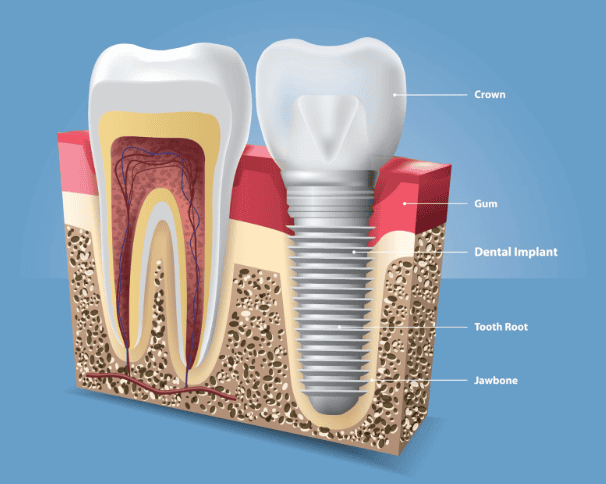
Dental Implant Structure
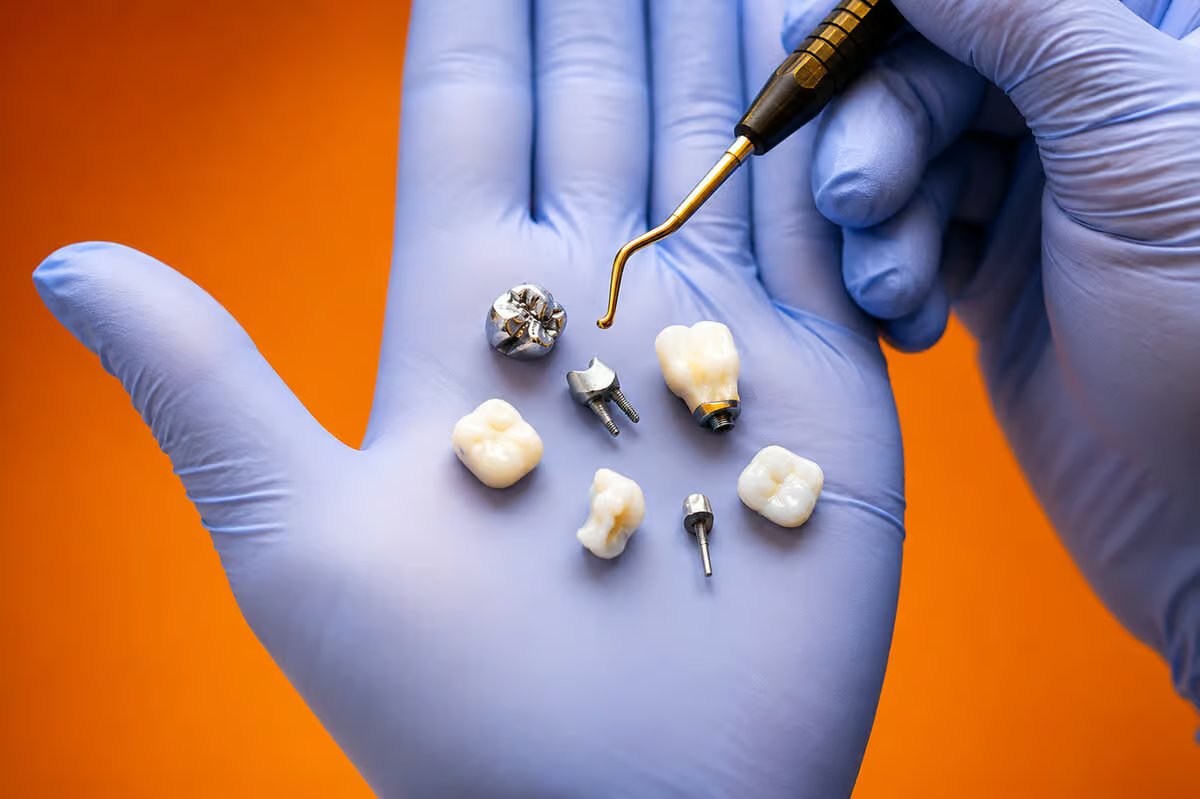
A dental implant is a full system that is composed of three main components. Each part plays an important role in the implant functionality and durability. Understanding these components helps you understand why implants last for a very long time.
The components of a dental implant include:
- The implant screw: A titanium screw like structure that is surgically placed in the jawbone
- Abutment (connector): The part that connects the implant with the crown.
- Crown (Artificial tooth): The visible part that resembles the natural tooth.
The implant will be composed of titanium, which is known for its biocompatibility, and it will be integrated with the bone through the osseointegration process. The design is immaculate and highly advanced, created to perfectly imitate the function of the tooth root.
The Osseointegration Process
The osseointegration process is when the bone cells are connected to the titanium surface. This process is essential for the long-term success of the procedure. The full integration usually takes about 3-6 months and creates a permanent connection.
The phase includes:
- The start of the healing process: The bone continues to grow around the implant within weeks
- Progressive integration: The connection becomes stronger with time
- Full stability: After 4-6 months, the implant is fully integrated.
- Permanent connection: The implant becomes part of the bone structure
- Maximal strength: The implant has the same strength as a natural tooth root
- Long-term resistance: the connection remains strong for decades
How Long Do Dental Implants Last?
Implant Post Lifespan
The implant post is designed to last a lifetime. Scientific studies show that dental implants have a high success rate of over 90-95% for more than 10 years. With the right care, most of the patients won’t need to replace the post ever.
Studies show:
- Over 25 years of lifespan: For most patients who properly take care
- 93-98% success rate: A 20-year study of 12,500 implants showed a 93% success rate at 17 years
- Only 2% chance of failure: In the first year, with only a 5% drop in the following 16 years
- 100% success in some cases: A 30-year study showed that no implants failed
- Lifelong investment: For most, implants last a lifetime
- Written guarantees: Many clinics offer lifetime guarantees on implants
Dental Crown Lifespan
While the implant can last forever, the crown has a more limited lifespan. Around 50-80% of crowns last about 15-20 years before needing replacement. This is normal, thanks to everyday consumption.
Factors include:
- 10-15 years on average: With normal use and good care
- Up to 20 years: With excellent hygiene and careful use
- Material consumption: Porcelain is worn down with daily chewing
- Location in the mouth: Back teeth wear down faster than front teeth
- Eating habits: Hard foods shorten the life of the crown
- Replacement cost: Much lower than the initial implant placement
Abutment Lifespan
The abutment is the component that connects the implant post with the crown. This component usually lasts 15-20 years. The same as the implant, the abutment is composed of stable materials that rarely need to be replaced.
Characteristics:
- Strong materials: Titanium or other resistant alloys
- Low wear: Not subject to direct bite forces
- Rare replacement: Only if damaged or loosened
- Secure connection: With the post below and the crown above
- Excellent fit: Designed to withstand long-term loads
- Minimal maintenance: Requires only regular oral hygiene
Factors That Affect The Implant Lifespan

Oral Hygiene And Everyday Care
Oral hygiene is the most important factor when it comes to implant lifespan. With good oral hygiene, implants can last a lifetime. The right care prevents infections and problems that can lead to implant failure.
Essential steps:
- Brushing twice a day: With a soft brush and appropriate toothpaste
- Flossing every day: Essential for preventing peri-implantitis
- Water flossing: Cleaning difficult areas
- Avoiding smoking: Smoking significantly increases the risk of failure
- Limiting alcohol: Especially during initial healing
- Healthy diet: Rich in calcium to strengthen bones
Regular Dental Visits
Visiting the dentist every 6 months is essential for the lifespan of implants. These visits will identify issues early before they become serious. The dentist will monitor the health of the gums and the bone around the implant.
Benefits:
- Early detection: Of potential problems before they get worse
- Professional cleaning: Removes tartar that cannot be removed at home
- Bone assessment: Checks implant stability
- Gum monitoring: Detects signs of early peri-implantitis
- Necessary adjustments: If the crown or abutment has problems
- Professional advice: For better maintenance at home
General Health And Medical Conditions
Your general health will directly affect the success of the implant procedure. Conditions as unmanaged diabetes, osteoarthritis, and autoimmune diseases limit their durability. Managing these conditions is essential.
Health conditions that might affect implant success:
- Diabetes: Slows down the healing process and increases the risk of infection
- Osteoporosis: Weakens the bone that supports the implant
- Autoimmune disorders: Diseases such as rheumatoid arthritis that attack healthy tissues
- Cancer: Especially if the patient has undergone radiation therapy
- Specific medications: Several medications that affect bone integration
- Cardiovascular health: The role of good blood circulation
Jawbone Quality
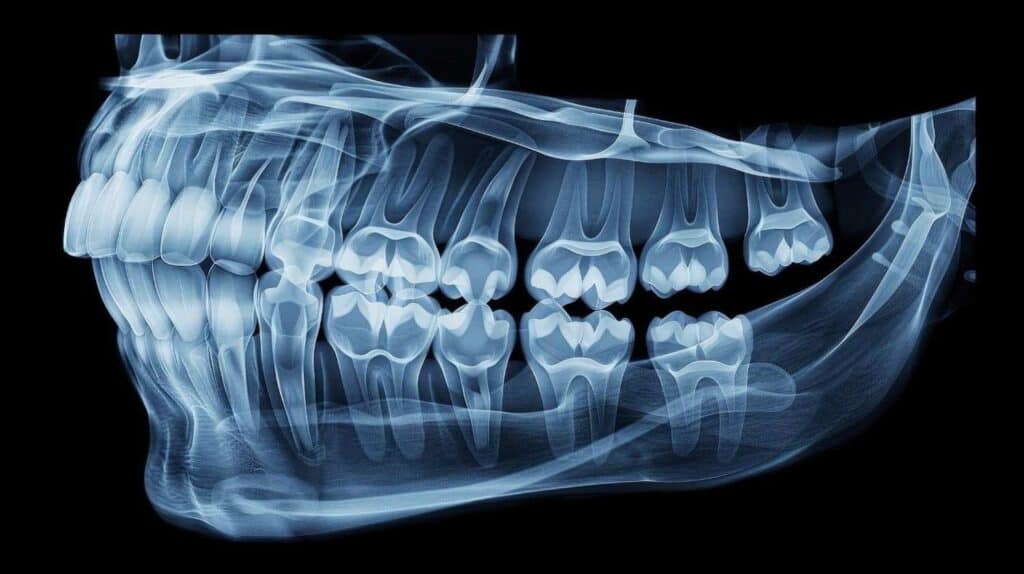
The bone density and volume are critical for long-term implant success. A healthy and sufficient bone is necessary to support the implant. If the bone is weak or insufficient, bone grafting might be required before placement.
What to consider:
- Bone Density: Necessary for strong integration
- Bone Volume: Sufficient space is needed for the implant
- Bone Health: Free of infection or periodontal disease
- Bone Grafting: Artificial bone augmentation when necessary
- Additional Time: 3-6 months for graft integration
- CBCT Technology: 3D Scanning for accurate planning
Surgeons Expertise And Placement Technique
The quality of the surgery is essential if you want results that last a lifetime. Dr. Roland Zhuka uses advanced digital technology for correct planning. His international expertise guarantees optimal results.
The importance of the surgeon’s expertise:
- Precise positioning: Placement at the right angle and position
- Minimally invasive technique: Less trauma to tissues
- 3D digital planning: Full simulation before surgery
- Extensive experience: Thousands of successful cases
- Continuous training: Latest techniques from world congresses
- High success rate: Over 99% in expert hands
Lifestyle Habits
Your everyday choices will significantly affect the implant lifespan. Extensive amounts of alcohol and smoking can severely affect the health of implants. Changing harmful habits is an investment in long-term success.
The main factors:
- Smoking – Nr 1 enemy: Reduces the amount of oxygen in the blood and slows down healing
- Alcohol consumption: It thins the blood and affects clot formation
- Hard foods: Biting ice or hard foods will damage the dental crown
- Bruxism (teeth grinding): Extensive pressure that damages the crown
- Dangerous sports: The risk of trauma in the face
- Stress: It can cause unconscious teeth grinding
Types Of Implants And Their Lifespan
Traditional Titanium Implants
Titanium is the most used material in implants thanks to its amazing biocompatibility. These implants have the longest and most successful history. Decades of data show extremely high success rates.
Advantages:
- 100% biocompatible: The body will accept the material without causing allergic reactions
- Long history: Successfully used for over 50 years
- Excellent osseointegration: Bonds strongly to bone
- High strength: Withstands bite forces for decades
- More affordable: They cost less than alternative materials
Zirconia Dental Implants
Zirconia is a ceramic material that doesnt contain metal, which has gained a lot of popularity over the last few years. These implants are ideal for patients who are allergic to metals. Data suggests a lifespan of 10-15 years or more; some studies show up to 20 years.
Characteristics:
- No metals: Ideal for patients who are allergic to titanium
- Superior aesthetics: A white color that resembles natural teeth
- Biocompatible: The same as titanium when it comes to osseointegration
- Better resistance: Strong and stable ceramics
All-On-4 And All-On-6 Techniques
These techniques use 4 or 6 implants to support a full arch of teeth. Dr. Roland Zhuka is an expert in these complex procedures. Results are functional, look the same as natural teeth, and last for a very long time.
Benefits:
- New fixed teeth in 48 hours: Immediate chewing function
- Fewer implants are used than in traditional methods.
- No need for bone grafting: In most cases, there will be no need for bone grafting
- Amazing lifespan: With the right care, they will last for decades
- Optimal price ratio: Cheaper than individual implants for each tooth
- Maximal stability: Optimal force distribution all over the mouth
Signs That Indicate Implant Problems
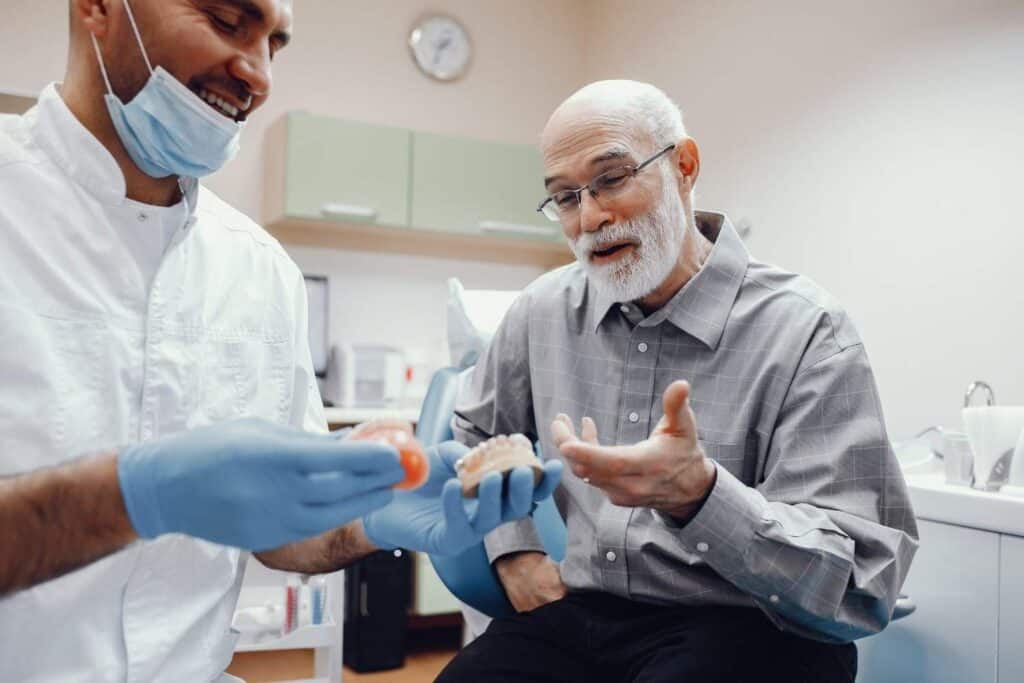
Symptoms That Require Attention
There are some signs that indicate possible issues with the implants. Early identification of these issues means earlier treatment; never ignore discomfort or pain around the implants.
Warning signs:
- Pain or discomfort: Especially if you feel pain in the area.
- Loose dental crown: Sometimes the crown might feel loose or shift.
- Gum swelling: Bleeding or swollen gums
- Bad breath around the implant that doesnt get better with oral hygiene
- Implant movement: A feeling that the implant is moving in the bone
Periimplantitis – A Dangerous Infection
Periimplantis is an infection of the tissues that surround the implant that can lead to bone loss. This is the most common cause of implant failure. Smoking and poor dental hygiene are the main risk factors.
How to prevent it:
- Good oral hygiene: Careful cleaning around the implants
- Early visits: Early identification of infections
- Avoid smoking: The main factor that leads to failure
- Quick treatment: If there are clear signs of infection
- Professional cleaning: The removal of the accumulated tartar
- Antibiotic treatment, if necessary, for infections in the early stage
Mechanical Failure Of The Implant Components
While this is rare, the crown or the abutment can get loose or even break. This usually happens as a result of extensive force or consumption. Replacing these components is relatively easy and cheap.
Causes:
- Material wear: After many years of use
- Excessive forces: From bruxism or hard bites
- Traumatic accidents: Hits to the face or mouth
- Poor placement: If the crown is not properly attached
- Design problems: In rare cases, if modern technology is used
- Poor materials: Low-quality crown
Comparing Implants With Other Alternatives
Dental Implants Vs Dental Bridges
Dental bridges usually last about 5-15 years, while implants can last more than 25 years or forever. Besides this, bridges require the alteration of healthy nearby teeth. On the other hand, implants protect surrounding teeth and prevent bone loss.
Comparison:
- Durability: Implants last 2-5 times longer
- Tooth preservation: Bridges damage healthy neighboring teeth
- Bone health: Implants stimulate the bone, keeping it healthy, while bridges don’t
- Functionality: Implants feel like natural teeth
- Hygiene: Implants are easier to clean than bridges
- Long-term cost: Implants are more economical in the long run
Dental Implants Vs Dentures
Dentures only last around 5-15 years and require frequent replacement and adjustments. Implants have a life span of over 20 years with proper maintenance. Dentures also don’t prevent bone loss and can shift while eating or speaking.
Implant advantages:
- Permanent fixation: They do not move while talking or eating
- No need to remove: Like dentures that are removed every night
- Prevents the shrinkage of the bone and the collapse of facial muscles
- Full bite force: You can eat any food
- Greater self-confidence: Without the fear of them moving while speaking in public
- Lower costs: In the long run, without frequent replacement
Long-Term Cost Analysis
New dentures can require frequent replacement every 7-10 years and come at a considerable cost. Dental implants can last around 25 years or more. When you evaluate the cost over a 20–30-year period, implants prove to be the most economical and long-term option.
Short analysis:
- Initial cost: Implants cost more initially, but you will have to pay for them only once, and they last longer.
- Denture replacement: Dentures should be replaced every 7–10 years, and each time you replace them, you will have to pay again.
- Adjustments: Dentures often require tightening, loosening, or other adjustments that are paid for separately.
- Maintenance: Implants require the same level of care as natural teeth.
- Lifestyle quality: Implant offers stability and comfort that significantly improves everyday life.
Dental Implant Maintenance Tips
Maintaining Oral Hygiene At Home
The right care at home is the key to long-lasting implants. Having a regular and stable oral hygiene is essential. Dedicating 5 minutes twice a day to your teeth guarantees decades of healthy implants.
Neccessary steps:
- Brushing teeth in the morning with a soft-bristle toothbrush
- Brushing teeth before sleeping to remove the daily accumulation
- Dental floss every day to clean the gaps between the teeth
- Water floss at least 3-4 times a week
- Non-alcoholic mouthwashes, if recommended by the dentist
- Extra care of the area where the implants are placed.
Diet
What you consume will definitely affect the health of your jawbone and the gums that surround the implant. Food rich in calcium and potassium is essential for bone health. Avoiding certain foods will help protect the crown from damage.
What we recommend:
- Calcium-rich foods: Milk, cheese, yogurt, broccoli
- Vitamin D: For calcium absorption from bones
- Sufficient protein: For tissue healing and maintenance
- Avoid very hard foods: Ice, hard nuts, candy
- Limit sweets: Which feed harmful bacteria
- Drink plenty of water: To hydrate the gums


 English
  Italiano
  Shqip
Shqip  Français