

Fixed teeth in Albania can give many patients an alternative before they accept removable dentures. If you have been told dentures are the only option, it is important to learn about implant-supported fixed solutions first.
At Implantus by Dr. Roland Zhuka, we help patients compare removable dentures with modern implant options such as All-on-4, All-on-6, All-on-8, zygomatic implants, and pterygoid implants. The right plan can change how you eat, smile, speak, and live every day.
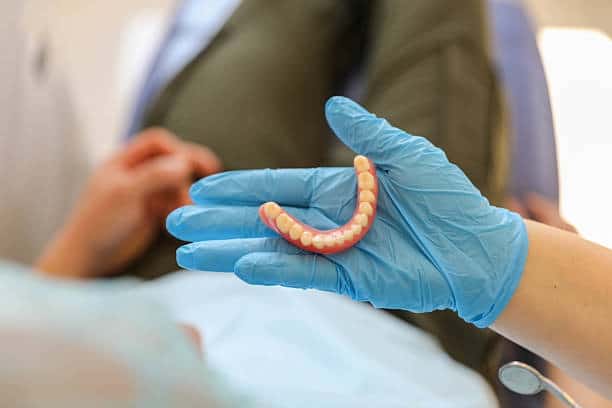
Why Patients Are Often Offered Removable Dentures
Removable dentures are often offered because they are faster and less expensive than advanced implant treatment. They can replace missing teeth, but they do not always give patients the stability they want.
Many patients accept dentures because they think fixed teeth are impossible. This is often not true, especially when advanced implant options are available.
Dentures may be suggested when:
- Many teeth are missing.
- Teeth are loose or failing.
- Bone loss is present.
- The patient wants a lower cost option.
- The clinic does not offer advanced implant techniques.
- The patient has not been informed about fixed implant choices.
The Daily Problems Of Removable Dentures
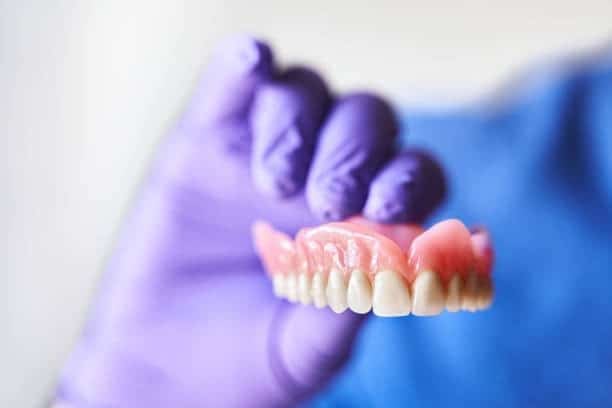
Removable dentures can help, but they can also create frustration. Patients often complain that they move, rub the gums, affect speech, or make eating difficult.
Over time, dentures may also feel looser because the jawbone continues to change. This can lead to relines, adhesives, discomfort, and less confidence.
Common denture problems include:
- Movement while eating.
- Fear that the denture will slip while speaking.
- Gum irritation.
- Reduced chewing strength.
- Food is getting trapped under the denture.
- Less confidence in social situations.
- Ongoing bone loss after teeth are removed.
Why Fixed Implant Options Feel Different
Fixed implant teeth are supported by dental implants instead of resting only on the gums. This can make them feel more stable and more natural during everyday function.
Patients usually want fixed teeth because they do not want to remove their teeth at night. They also want to chew more comfortably and smile without worrying about movement.
Fixed implant options can offer:
- Stronger chewing support.
- Better stability while speaking.
- A more natural feeling smile.
- No need for denture adhesive.
- Better support for facial structure.
- A more confident daily routine.
All-on-4: A Fixed Option For Full Arch Replacement
All-on-4 is a full arch implant treatment that uses four implants to support a complete set of fixed teeth. It can be a strong option for patients who need to replace all teeth in one jaw.
The treatment is popular because it can reduce the need for a larger number of implants in selected cases. It may also allow temporary fixed teeth when immediate loading is safe.
All-on-4 may be right for patients who:
- Have many missing or failing teeth.
- Want fixed teeth instead of dentures.
- Have enough bone in planned implant zones.
- Need a full upper or lower arch restoration.
- Want a treatment with a clear and efficient structure.
All-on-6: More Implant Support For Selected Cases
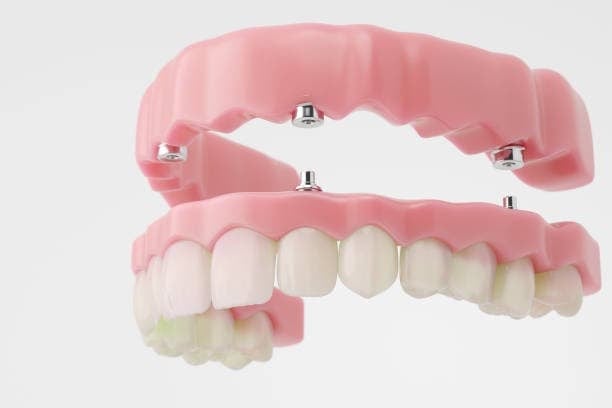
All-on-6 uses six implants to support a full arch restoration. This option may be recommended when the dentist wants wider force distribution or more support for the final teeth.
It is not always better for every patient, but it can be valuable when the anatomy and prosthetic plan support it. The final decision depends on bone, bite, and treatment goals.
All-on-6 can help with:
- Stronger load distribution.
- Additional support across the arch.
- Improved stability in selected cases.
- Better planning for patients with stronger chewing demands.
- A fixed solution when removable dentures are not desired.
All-on-8: When More Support Is Needed
All-on-8 can be considered for selected patients who need even more implant support across the arch. It can be useful when bone conditions and prosthetic goals make additional implants beneficial.
This treatment is not chosen only because more implants sound stronger. It is chosen when the case benefits from that support and when the anatomy allows safe placement.
All-on-8 may be discussed when:
- The patient needs a full arch restoration.
- Bone volume allows multiple implant placement.
- The bite requires strong distribution.
- The final prosthesis needs broad support.
- The patient wants a fixed option with advanced planning.
Zygomatic Implants: Fixed Teeth When the Upper Jaw Bone Is Weak
Many patients accept removable upper dentures because they were told they do not have enough bone for implants. Zygomatic implants may change that conversation in selected cases.
Zygomatic implants anchor into the cheekbone area instead of relying only on the upper jaw bone. This can help patients with severe upper jaw bone loss move toward fixed teeth.
Zygomatic implants may be considered when:
- The upper jaw has severe bone loss.
- Standard implants are not possible in key areas.
- The patient wants to avoid removable dentures.
- A sinus lift or major grafting was suggested.
- Full arch support is needed.
Pterygoid Implants: Extra Support In The Back Upper Jaw
Pterygoid implants can support the back of the upper jaw. This area is often difficult because bone loss and sinus position can limit standard implant placement.
When planned correctly, pterygoid implants can help give the full arch restoration more posterior support. This can be important for fixed teeth that need stability during chewing.
Pterygoid implants may help patients who:
- Have weak back upper jaw bone.
- Need better posterior support.
- Want fixed teeth instead of an upper denture.
- Were told they need grafting before implants.
- Need a combined implant plan.
Why Bone Loss Does Not Always Mean Dentures
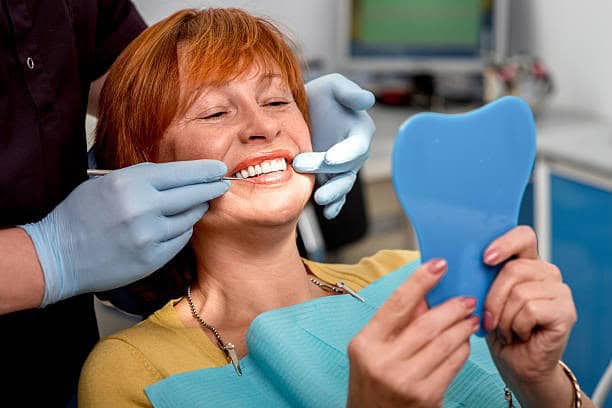
Bone loss is serious, but it does not always remove fixed implant options. It simply means the case needs better diagnosis and more advanced planning.
A clinic that offers only standard implants may offer removable dentures because advanced implant options are not available. A clinic focused on complex implantology can study other anchoring zones.
This is why a second opinion can be valuable before accepting dentures. The question is not only how much bone is missing, but where usable bone still exists.
What Makes Fixed Teeth More Stable Than Dentures
Fixed teeth are connected to implants, which act as artificial roots. This gives the restoration a foundation that dentures cannot copy.
Dentures sit on the gums and can move because the tissue underneath changes over time. Implant teeth are designed to stay fixed during normal function.
This difference can improve:
- Chewing strength.
- Speech confidence.
- Smile stability.
- Comfort during meals.
- Facial support.
- Daily quality of life.
Why Facial Support Matters
Teeth and bone help support the lips and lower face. When teeth are missing for years, the face can look more aged because support is reduced.
Removable dentures may replace the visible teeth, but they do not always restore support in the same way as a fixed implant plan. A well-designed implant restoration can help rebuild the shape of the smile and the lower face.
Facial support planning looks at:
- Lip position.
- Bite height.
- Tooth length.
- Gum display.
- Jaw relationship.
- Smile width.
- Natural facial balance.
Why The Final Teeth Must Be Custom Designed
Fixed implant options are not only surgical treatments. They are also prosthetic treatments, which means the final teeth must be designed carefully.
The shape, color, bite, gum transition, and cleaning access matter. A fixed restoration should not look like a generic denture attached to implants.
A custom design helps create:
- Natural tooth proportions.
- Better bite comfort.
- A more realistic gum transition.
- More confident speech.
- Better hygiene access.
- A smile that fits the patient’s face.
Can You Leave With Fixed Temporary Teeth
Many patients ask whether they can leave with fixed temporary teeth. In selected cases, immediate loading can make this possible.
The decision depends on implant stability, bone quality, bite force, and the treatment plan. Speed should never be placed above safety.
Fixed temporary teeth can help patients:
- Avoid removable dentures during healing.
- Smile with more confidence after surgery.
- Adapt to the planned bite.
- Test the tooth shape and position.
- Continue daily life more comfortably.
What To Ask Before Accepting Removable Dentures
Before accepting removable dentures, patients should ask whether fixed implant options have been fully evaluated. This is especially important if the patient is young, active, socially engaged, or unhappy with the idea of removable teeth.
A clear consultation should explain why dentures are recommended and whether implants are possible. Patients deserve to compare their options before making a final decision.
Ask these questions:
- Am I a candidate for All-on-4.
- Would All-on-6 or All-on-8 give better support.
- Do I have enough bone for standard implants.
- Can zygomatic implants help my upper jaw.
- Can pterygoid implants support the back of my upper jaw.
- Can I receive fixed temporary teeth.
- How many visits would I need in Albania.
- What is the expected final prosthesis material.
Why International Patients Choose Fixed Teeth In Albania
Fixed teeth can be expensive in many countries, especially when the case involves full arch implants or complex bone loss. Albania gives international patients access to advanced implant options at a more accessible cost.
At Implantus by Dr. Roland Zhuka, patients can begin with online communication and a free quote. This helps them understand whether fixed teeth may be possible before traveling.
International patients choose us because they want:
- Fixed alternatives to removable dentures.
- Advanced implant planning.
- Options for severe bone loss.
- Full arch treatments such as All-on-4, All-on-6, and All-on-8.
- Support with dental tourism logistics.
- A clear plan before treatment begins.
When Dentures May Still Be The Right Choice
Fixed implant treatment is powerful, but dentures may still be right for some patients. Medical conditions, budget, anatomy, or personal preference can affect the final decision.
The point is not that dentures are always wrong. The point is that patients should know their fixed options before making a decision.
A responsible clinic explains all suitable choices. This helps the patient choose with confidence instead of accepting the first option offered.
Final Thoughts
Before you accept removable dentures, learn about fixed implant options. Modern implantology may offer more choices than you were originally told.
Fixed teeth in Albania can include All-on-4, All-on-6, All-on-8, zygomatic implants, pterygoid implants, or a combined plan for complex bone loss cases. The right solution depends on diagnosis and careful planning.
If you want to know whether you can avoid removable dentures, contact Implantus by Dr. Roland Zhuka. Send your X-ray, request a free online quote, and discover whether fixed teeth can be planned for your smile.
Frequently Asked Questions
Are Fixed Teeth Always Better Than Dentures?
Not for every patient. Fixed teeth are often more stable, but the right option depends on health, anatomy, budget, and expectations.
Can I Get Fixed Teeth If I Already Wear Dentures?
Many denture wearers can be evaluated for implant treatment. Bone loss must be studied before the plan is chosen.
What If I Have Severe Upper Jaw Bone Loss?
Zygomatic or pterygoid implants may be possible in selected cases. A detailed diagnosis is needed before confirming the option.
Can I Avoid Being Without Teeth During Treatment?
In many full arch cases, temporary teeth can be planned. Whether they are fixed depends on implant stability and bite conditions.
Are All-On-4 Teeth Removable?
All-on-4 restorations are designed as fixed implant-supported teeth. They are not removed daily like traditional dentures.
How Do I Start My Dental Treatment From Abroad?
Send a panoramic X-ray, photos, and a description of your current dental situation. The clinic can review your case and explain possible fixed options.
Signs You Need A Dental Check-Up: Common Symptoms Not To Ignore



 English
  Italiano
  Shqip
Shqip  Français