

Implant-supported zirconia bridges are one of the most advanced solutions for patients who want fixed teeth that feel stable, look natural, and support everyday chewing. This treatment is often chosen by patients who have lost several teeth or need a full-mouth rehabilitation. It can replace removable dentures with a stronger and more comfortable option.
Tooth loss affects more than appearance. It changes chewing, speech, facial support, and confidence. When several teeth are missing, the whole mouth needs to be planned carefully.
At Implantus by Dr. Roland Zhuka, implant-supported zirconia bridges are planned with advanced implantology principles. The goal is to restore strength, comfort, and a natural-looking smile.
What Are Implant-Supported Zirconia Bridges?
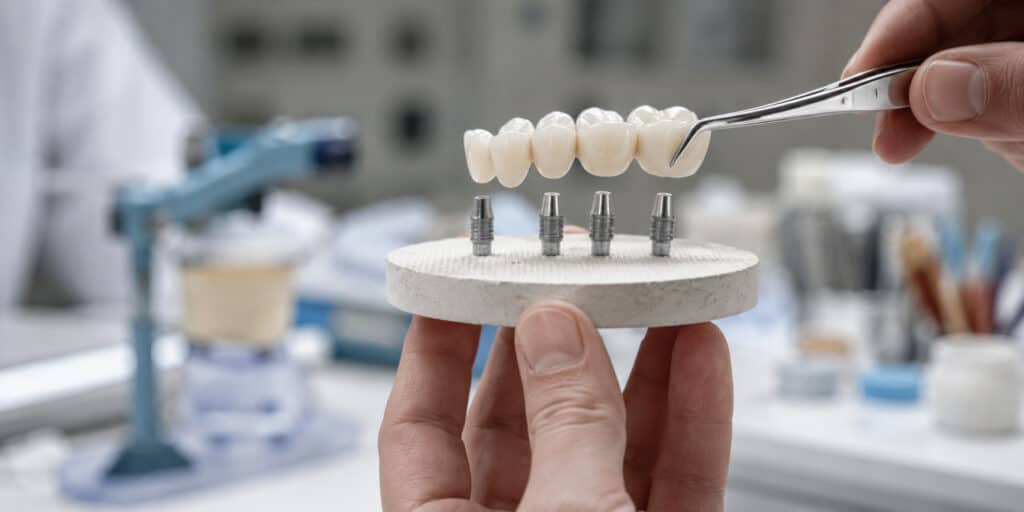
Implant-supported zirconia bridges are fixed dental bridges attached to dental implants. The implants act like artificial roots. The zirconia bridge replaces the visible teeth.
Unlike removable dentures, this bridge does not move during eating or speaking. It is fixed to the implants by the dentist. This gives patients a more secure feeling.
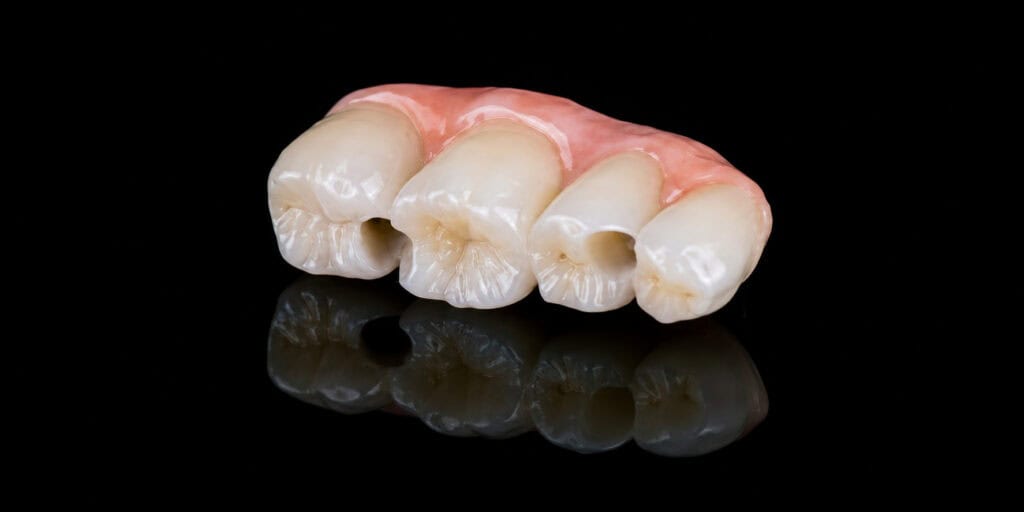
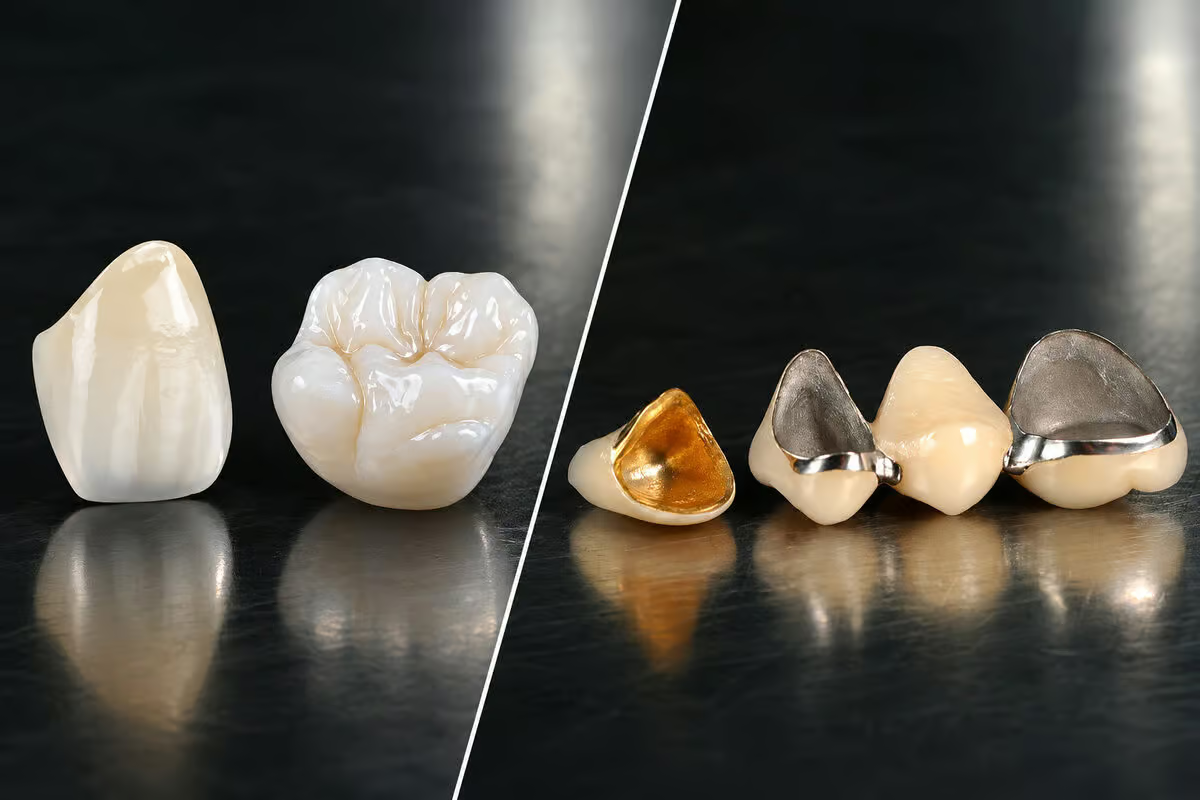
Zirconia is a strong ceramic material used in modern dental restorations. It is known for durability, clean aesthetics, and resistance to wear. It is often used for full-arch restorations because it can handle strong chewing forces.
Why Patients Choose Fixed Teeth Instead Of Removable Dentures
Many patients are tired of removable dentures. They may move, irritate the gums, or feel uncomfortable during meals. Some patients also feel embarrassed when speaking or laughing.
Implant-supported zirconia bridges can improve:
- Chewing comfort
- Smile confidence
- Speech stability
- Facial support
- Daily comfort
- Long-term function
- Aesthetic appearance
Fixed teeth can make eating feel more natural. They can also help patients return to a more confident lifestyle.
How Dental Implants Support Zirconia Bridges
Dental implants are placed in the jawbone. After healing, they create a stable foundation for the zirconia bridge. The number of implants depends on the patient’s bone, bite, and treatment plan.
A full arch can often be restored with treatments such as All-on-4, All-on-6, or other advanced implant solutions. Some patients with severe bone loss may need zygomatic, pterygoid, or nasal implants. The right option depends on diagnosis.
This is why implant planning must be personalized. There is no single solution for every mouth.
Why Zirconia Is Used For Full-Mouth Restorations
Zirconia is popular because it combines strength and aesthetics. It can be shaped to look like natural teeth. It also resists fractures better than many traditional materials.
Benefits of zirconia bridges include:
- High strength
- Natural tooth color
- Smooth surface
- Good gum compatibility
- Resistance to stains
- Long-term durability
- Elegant smile appearance
Zirconia is especially useful for patients who need a strong bite. It can support chewing better than many removable solutions.
Fixed Teeth That Look Natural
A common fear is that fixed teeth will look fake. This can happen when the bridge is too white, too bulky, or poorly shaped. A natural result requires careful design.
The dentist must plan:
- Tooth length
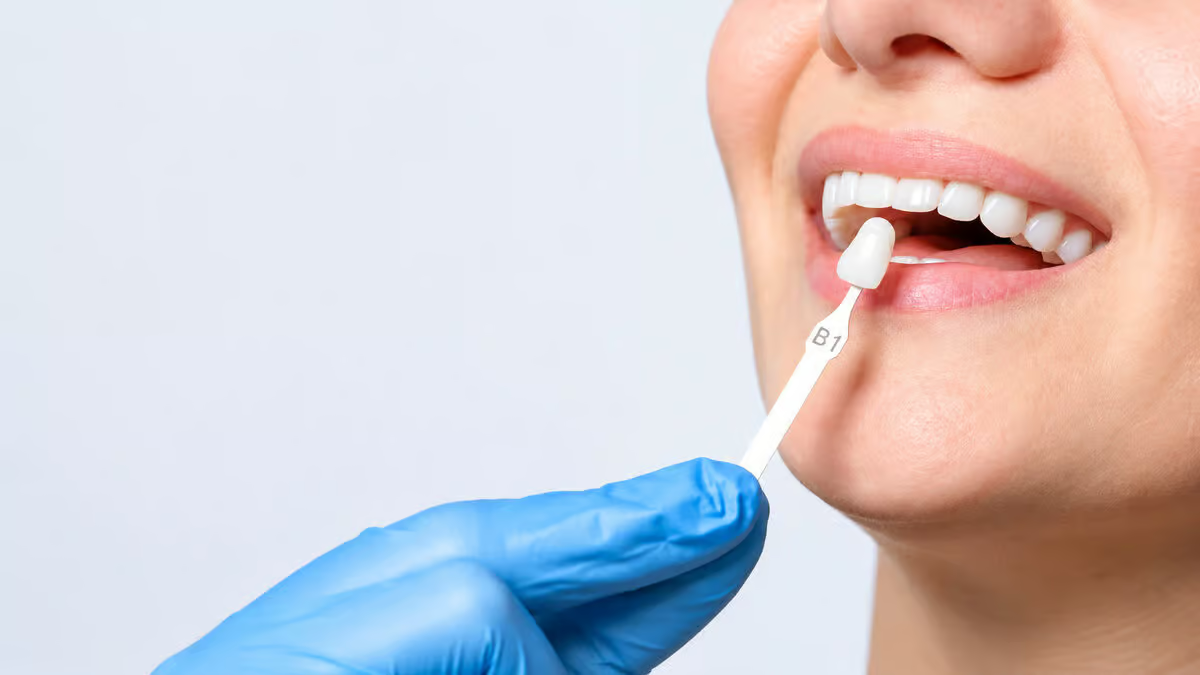
- Tooth color
- Tooth shape
- Gum line
- Smile curve
- Lip support
- Bite position
- Facial harmony
The zirconia bridge should not look like a plastic denture. It should look like a clean, natural, and confident smile.
At Implantus, the aesthetic plan is connected with implant positioning. The final teeth are not an afterthought. They guide the entire treatment.
Who Can Benefit From Implant-Supported Zirconia Bridges?
This treatment may be suitable for patients who are missing many teeth. It may also help patients with failing teeth that cannot be saved. It is often chosen by patients who want a fixed alternative to dentures.
Good candidates may include people with:
- Several missing teeth
- Full upper or lower tooth loss
- Loose dentures
- Broken or failing teeth
- Advanced dental damage
- Strong desire for fixed teeth
- Good general health for surgery
- Enough bone or access to advanced implant options
A full dental examination is necessary before treatment. The dentist must evaluate bone volume, gum health, bite force, and medical history.
The Importance Of 3D Planning
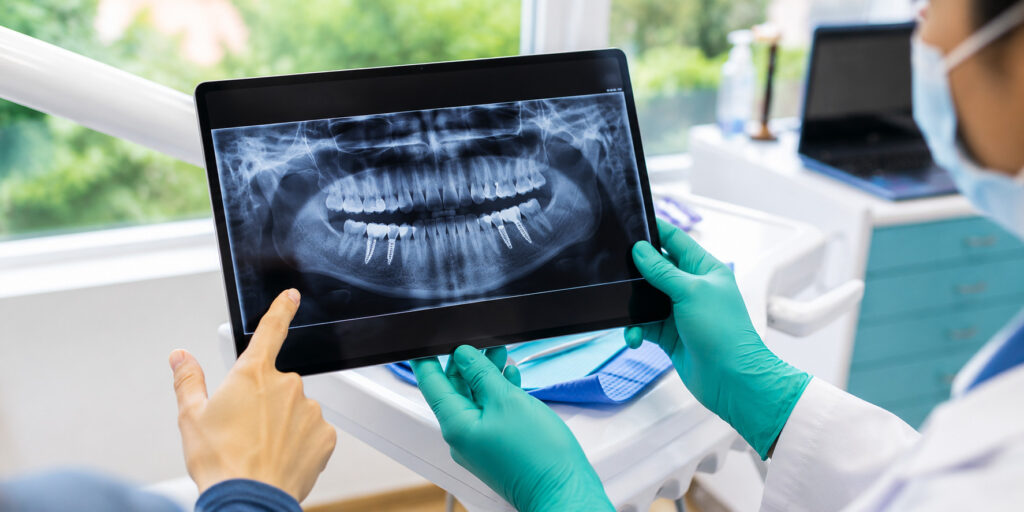
Implant-supported zirconia bridges need precise planning. The implants must be placed in positions that can support the bridge correctly. Poor implant placement can create future problems.
3D imaging helps the dentist see the bone, nerves, sinuses, and available support areas. This makes the treatment plan more accurate. It also helps choose the correct implant technique.
Advanced implantology is not only about placing implants. It is about placing them where the final teeth need support.
Why The Bridge Must Be Planned Before Surgery
A major mistake is placing implants first and designing the bridge later. This can lead to unnatural tooth position or weak support. The bridge should guide the surgery.
Prosthetic-driven planning means the final smile is considered from the beginning. The dentist plans the teeth, then the implants. This helps improve function and aesthetics.
For full-mouth cases, this step is essential. The patient is not only replacing teeth. The patient is rebuilding the bite.
Immediate Fixed Teeth And Final Zirconia Bridges
Some patients may receive fixed temporary teeth soon after implant placement. This depends on implant stability, bone quality, and clinical judgment. These temporary teeth help patients smile and function during healing.
The final zirconia bridge is usually placed after the implants have healed. This gives the bone time to integrate with the implants. The final bridge is then designed for long-term strength and aesthetics.
The temporary phase is not wasted time. It helps shape the gums, test the bite, and guide the final result.
How Implant-Supported Zirconia Bridges Feel
A well-planned zirconia bridge should feel stable. Patients can speak without fear that the teeth will move. They can eat many foods more comfortably than with removable dentures.
There may be an adaptation period. The mouth needs time to adjust to the new bite and tooth shape. Most patients become more comfortable as they heal and use the bridge daily.
Fixed teeth can feel life-changing because they restore confidence in simple moments. Eating in public, smiling in photos, and speaking clearly can become easier.
Why Bone Condition Matters
Dental implants need support. If bone loss is present, the dentist must decide how to manage it. Some patients can receive standard implants. Others need advanced techniques.
Possible solutions may include:
- Bone grafting
- Sinus lift
- All-on-4
- All-on-6
- Zygomatic implants
- Pterygoid implants
- Nasal implants
- Delayed loading
- Immediate loading when suitable
Dr. Roland Zhuka’s advanced implantology focus is important for these cases. Complex bone conditions require experience and detailed planning.
Implant-Supported Zirconia Bridges For Dental Tourism Patients
Many international patients travel for full-mouth dental treatment because they want advanced care at a more accessible cost. Albania has become a strong destination for dental tourism. Tirana is easy to reach from many European cities.
For dental tourism patients, planning is very important. The clinic must explain the stages, healing time, number of visits, and final restoration plan. Patients should not book treatment based only on a quick price.
A serious clinic will ask for dental scans or X-rays before giving a personalized plan. This helps avoid unrealistic promises.
What Happens During The Treatment Process?
The process usually begins with a consultation. The dentist checks the mouth, bone, gums, and bite. The patient’s goals are also discussed.
The general process may include:
- Initial consultation
- X-rays or 3D imaging
- Treatment planning
- Tooth extraction if needed
- Implant placement
- Temporary fixed teeth when suitable
- Healing period
- Digital or traditional impressions
- Final zirconia bridge design
- Final bridge placement
- Bite adjustment
- Follow-up care
Every patient has a different timeline. Some cases are simple. Others need more planning and healing.
Why Experience Matters In Full-Mouth Cases
Full-mouth implant treatment is one of the most complex areas of dentistry. It involves surgery, prosthetics, aesthetics, and bite reconstruction. The dentist must think about the whole mouth.
A weak plan can cause problems such as bridge fracture, gum irritation, speech issues, or implant overload. A strong plan can improve comfort and long-term stability.
This is why patients should choose a dentist with advanced implantology experience. The goal is not only to get fixed teeth. The goal is to get fixed teeth that are built to last.
Caring For Implant-Supported Zirconia Bridges
Fixed teeth still need care. Implants do not get cavities, but gums and bone can still become inflamed. Cleaning is essential for long-term success.
Patients should follow daily care instructions carefully. Special brushes, water flossers, or professional cleaning tools may be recommended. Regular check-ups are important.
Care tips include:
- Brush around the bridge every day
- Clean under the bridge as instructed
- Use recommended hygiene tools
- Avoid smoking when possible
- Attend professional cleanings
- Report discomfort early
- Wear a night guard if advised
Good maintenance protects the implants, gums, and zirconia bridge.
Why Patients Choose Dr. Roland Zhuka For Zirconia Implant Bridges
Patients choose Dr. Roland Zhuka because complex implant cases require more than basic dentistry. Full-mouth restorations need advanced planning and surgical skill. They also need aesthetic control.
At Implantus, implant-supported zirconia bridges are planned for strength, stability, and natural appearance. The clinic focuses on fixed teeth that fit the face and function properly.
Patients who have been told they do not have enough bone may still have options. Advanced implant techniques can sometimes avoid removable dentures and offer a fixed solution.
Frequently Asked Questions About Implant-Supported Zirconia Bridges
What Are Implant-Supported Zirconia Bridges?
Implant-supported zirconia bridges are fixed dental bridges attached to dental implants. They replace missing teeth with strong, stable, and natural-looking teeth that do not move like removable dentures.
Are Zirconia Implant Bridges Better Than Dentures?
Yes, zirconia implant bridges are often better than removable dentures because they feel more stable, improve chewing comfort, support speech, and give patients a more natural smile.
Who Is A Good Candidate For Implant-Supported Zirconia Bridges?
A good candidate for implant-supported zirconia bridges is someone with several missing teeth, failing teeth, loose dentures, or full-mouth tooth loss who wants fixed teeth and is healthy enough for implant treatment.
How Long Do Implant-Supported Zirconia Bridges Last?
Implant-supported zirconia bridges can last for many years when they are planned correctly, placed on stable implants, and maintained with good oral hygiene and regular dental check-ups.
Can I Get Fixed Zirconia Teeth In Albania?
Yes, patients can get fixed zirconia teeth in Albania, especially when they choose an experienced implantologist who can plan the implants, bite, smile design, and final zirconia bridge carefully.
Why Choose Dr. Roland Zhuka For Zirconia Implant Bridges?
Patients choose Dr. Roland Zhuka for zirconia implant bridges because complex full-mouth cases need advanced implantology, 3D planning, strong aesthetics, and a fixed restoration designed for long-term comfort.
Contact Us
Ready to replace missing teeth with fixed, natural-looking zirconia teeth?
Contact Implantus by Dr. Roland Zhuka and requested a personalized treatment plan.
- Ask about implant-supported zirconia bridges
- Send your panoramic X-ray or dental scan
- Learn if All-on-4, All-on-6, or advanced implants are right for you
- Get a personalized plan for fixed teeth
- Discuss temporary teeth and final zirconia bridges
- Plan your dental trip to Tirana with professional guidance
- Choose a clinic focused on strength, aesthetics, and comfort
Your new teeth should not only look good. They should feel strong, stable, and part of your life.


 English
  Italiano
  Shqip
Shqip  Français