

Second-stage implant surgery is the step that connects the healed dental implant with the final restoration process. Many patients know about implant placement, but they do not always understand what happens after the implant heals. This stage is important because it prepares the implant for the crown, bridge, or full-arch teeth.
Dental implant treatment is not only one appointment. It is a process. Each stage protects the final result.
At Implantus by Dr. Roland Zhuka, implant healing and second-stage implant surgery are planned carefully. The goal is to create a stable foundation before placing the final teeth.
What Is Second-Stage Implant Surgery?
Second-stage implant surgery is a small procedure performed after the implant has healed under the gum. The dentist exposes the implant and places a healing abutment. This helps shape the gum before the final tooth is made.
This step is usually much simpler than the first implant surgery. It does not normally involve placing a new implant. It simply gives access to the implant that is already integrated with the bone.
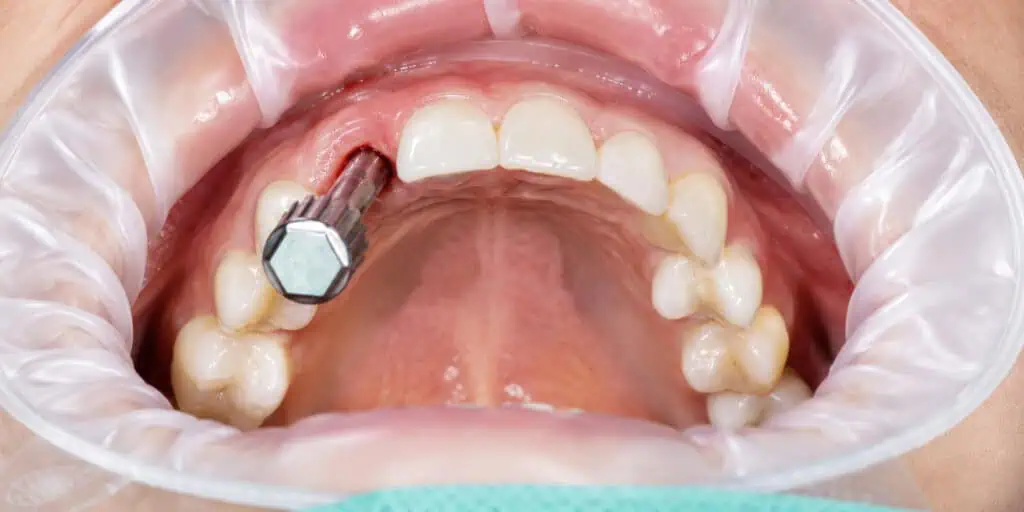
The healing abutment looks like a small metal cap. It sits above the gum and helps the tissue form around the future crown or bridge.
Why Is Second-Stage Implant Surgery Needed?
Some implants are covered by the gum during healing. This protects them while the bone integrates with the implant surface. After healing, the implant needs to be uncovered.
Second-stage implant surgery is needed to:
- Expose the healed implant
- Place a healing abutment
- Shape the gum tissue
- Prepare the area for impressions
- Check implant stability
- Start the prosthetic phase
- Improve the final tooth emergence profile
This stage helps the final crown or bridge look more natural. The gum should not look flat or irritated around the final restoration.
What Happens Before The Second Stage?
Before second-stage implant surgery, the dentist checks healing. This may include a clinical examination and X-rays. The dentist wants to confirm that the implant is stable enough for the next phase.
The patient may be asked about pain, swelling, chewing comfort, and hygiene. If healing is not complete, the dentist may wait longer. Rushing can risk the final result.
Implants need time to integrate with bone. This process is called osseointegration. It is one of the most important parts of implant success.
Is Second-Stage Implant Surgery Painful?
Most patients describe second-stage implant surgery as a minor procedure. Local anesthesia is usually used to keep the area comfortable. The dentist makes a small opening in the gum to access the implant.
The procedure is often quicker and easier than the first implant placement. Some patients feel mild pressure. Pain is usually limited and manageable.
After the visit, there may be light tenderness or gum sensitivity. This usually improves quickly with proper care.
Step By Step: What Happens During The Procedure?
The exact process depends on the patient’s case. However, the general steps are usually simple.
The dentist may:
- Numb the area with local anesthesia
- Locate the implant under the gum
- Make a small opening in the tissue
- Remove the cover screw
- Check the implant connection
- Place a healing abutment
- Clean the area
- Give aftercare instructions
In some cases, a few stitches may be needed. In other cases, they may not be necessary. The dentist will decide based on the gum tissue.
What Is A Healing Abutment?
A healing abutment is a small component placed on top of the implant. It helps the gum heal in the right shape. This is important for the final crown or bridge.
Without proper gum shaping, the final tooth may not look natural. The gum may not hug the restoration correctly. This can affect aesthetics and hygiene.
The healing abutment creates space for the future tooth. It also helps the dentist prepare for impressions or digital scanning.
How Long Does The Gum Need To Heal After The Second Stage?
The gum usually needs a short healing period after second-stage implant surgery. This can vary from patient to patient. The dentist will tell you when the area is ready for the next step.
In many cases, the tissue heals enough within a couple of weeks. More complex cases may need more time. Gum thickness, bone condition, and the type of restoration all matter.
The final restoration should not be rushed. The gum shape affects the final result.
What Comes After Second-Stage Implant Surgery?
After the gum heals, the dentist can take impressions or digital scans. These are used to create the final crown, bridge, or full-arch prosthesis. The restoration is designed to fit the implant connection and the bite.
The next steps may include:
- Gum healing check
- Digital scan or impression
- Shade selection
- Bite registration
- Crown or bridge design
- Trial fitting when needed
- Final restoration placement
- Bite adjustment
- Follow-up appointment
Second Stage For Single Implants
For a single implant, the second stage prepares the area for one crown. The dentist checks the gum and creates the right emergence shape. The final crown should look like it comes naturally from the gum.
This is especially important for front teeth. The gum line must look balanced. The tooth shape and color must match the surrounding teeth.
For back teeth, strength and chewing function are usually the main focus. The crown must handle pressure without overloading the implant.
Second Stage For Implant Bridges
For implant bridges, the second stage may involve more than one implant. The dentist checks how the implants relate to each other. The bridge must fit passively and distribute chewing forces correctly.
The gum tissue around each implant must be healthy. If the tissue is inflamed, impressions may be delayed. Clean tissue helps create a more accurate final bridge.
Implant-supported bridges need careful bite planning. A strong bridge starts with stable implants and healthy gums.
Second Stage For Full-Arch Implant Treatment
Full-arch cases can be more complex. Patients may have several implants supporting fixed teeth. The second stage may involve checking multiple implant positions and preparing the mouth for the final prosthesis.
For treatments such as All-on-4 or All-on-6, the second stage depends on the loading protocol. Some patients receive temporary fixed teeth early. Others wait until healing is complete before the prosthetic phase advances.
The final full-arch bridge must be strong, cleanable, and comfortable. Second-stage planning helps make that possible.
Why Some Patients Do Not Need A Traditional Second Stage
Not every implant case needs the same second-stage procedure. In some cases, the implant may already have a healing abutment placed during the first surgery. This is often called a one-stage approach.
In other cases, the implant is covered under the gum and uncovered later. This is often called a two-stage approach. The dentist chooses based on bone quality, implant stability, aesthetics, and healing needs.
Both approaches can be successful. The right choice depends on the patient.
One-Stage Vs Two-Stage Implant Healing
A one-stage approach leaves a healing component visible above the gum from the beginning. A two-stage approach covers the implant during healing. Each method has advantages.
A two-stage approach may be chosen when the dentist wants to protect the implant during healing. This can be useful in more delicate cases. It may also be used when bone grafting or more controlled healing is needed.
A one-stage approach can reduce the number of small procedures. However, it is not always the best option for every patient.
Why The Dentist Checks Implant Stability
Before moving to the final restoration, the dentist must confirm stability. An implant that is not stable should not receive chewing pressure. Placing the final tooth too early can create risk.
Signs of good progress may include:
- No pain
- No swelling
- Healthy gum tissue
- No mobility
- Good X-ray appearance
- Proper healing around the implant
- Comfortable bite during the temporary phase
What Can Delay Second-Stage Implant Surgery?
Healing can vary. Some patients heal quickly. Others need more time because of bone quality, medical conditions, smoking, infection, or grafting.
Possible reasons for delay include:
- Slow bone healing
- Gum inflammation
- Bone graft healing
- Sinus lift healing
- Infection risk
- Poor hygiene
- Smoking
- Medical conditions
- Implant stability concerns
Aftercare After Second-Stage Implant Surgery
After second-stage implant surgery, the area should be kept clean. The dentist may give specific instructions depending on the case. Following these instructions helps the gum heal properly.
General aftercare may include:
- Avoid touching the area with fingers
- Brush gently around the healing abutment
- Use mouth rinse if prescribed
- Avoid hard foods near the area for a short time
- Do not smoke during healing
- Call the clinic if swelling or pain increases
- Attend follow-up appointments
When Should You Call The Dentist?
Mild discomfort can be normal. However, patients should contact the clinic if symptoms feel unusual. Early communication helps prevent complications.
Call the dentist if you notice:
- Strong pain
- Increasing swelling
- Bleeding that does not stop
- Loose healing abutment
- Bad taste or pus
- Fever
- Difficulty chewing
- Gum tissue growing over the abutment
Why Second-Stage Implant Surgery Matters For Aesthetic Results
The second stage is not only technical. It also affects beauty. The way the gum heals around the abutment can influence the final crown shape.
A natural implant tooth should not look like it is sitting on top of the gum. It should look like it emerges from the gum. This detail matters especially in the smile zone.
The healing phase helps create this transition. That is why the dentist may take time before placing the final crown.
Why Patients Choose Dr. Roland Zhuka For Implant Treatment
Patients choose Dr. Roland Zhuka because implant treatment requires planning at every stage. The first surgery is important, but the healing and prosthetic stages are equally important. A good implant result depends on the full process.
At Implantus, implant treatment can include diagnosis, surgery, healing control, second-stage implant surgery, and final restoration planning. This complete approach helps patients understand what is happening and why.
The goal is stable implants, healthy gums, and teeth that look natural.
Contact Us
Have your implants healed and are you ready for the next step?
Contact Implantus by Dr. Roland Zhuka to plan your second-stage implant surgery and final restoration.
- Check if your implant is ready for the next phase
- Ask about healing abutments and gum shaping
- Plan your crown, bridge, or full-arch restoration
- Receive professional guidance after implant healing
- Send your X-ray for an initial review
- Get clear instructions before and after treatment
- Continue your implant journey with an experienced team
Your implant treatment does not end when the implant is placed. The next stage is what helps turn healing into fixed, functional teeth.




 English
  Italiano
  Shqip
Shqip  Français