

Dental implants for patients over 60 are an increasingly popular option for replacing missing teeth and restoring oral function. Many seniors choose dental implants over 60 because they provide stability, comfort, and natural-looking results.
At Dr. Roland Zhuka’s clinic, careful evaluation and modern implant techniques help ensure safe and successful treatment for older patients.
Can Patients Over 60 Get Dental Implants?
Yes, patients over 60 can successfully receive dental implants and restore missing teeth. Age alone does not prevent someone from getting dental implants, and many seniors choose this treatment to improve chewing ability and oral health.
Before treatment, dentists carefully evaluate the patient’s jawbone condition, gum health, and overall medical history. These factors are more important than age when determining whether dental implants are suitable.
At Dr. Roland Zhuka’s clinic, detailed evaluation and modern implant techniques help ensure safe and predictable dental implant treatment for patients over 60.
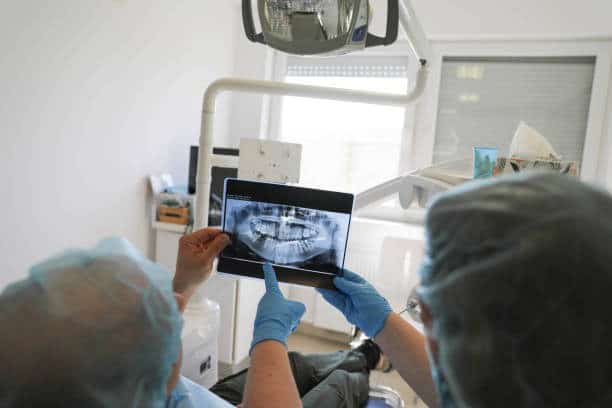
Benefits Of Dental Implants For Seniors
As people age, missing teeth can begin to affect more than just appearance. They can impact chewing ability, speech, nutrition, and overall oral health, making everyday activities more difficult.
This is why many older adults choose dental implants for seniors as a long-term solution. Unlike removable dentures, implants function like natural tooth roots and provide strong, stable support for replacement teeth.
For many patients over 60, dental implants offer several important advantages.
Improved Chewing Ability
One of the biggest challenges seniors face with missing teeth is difficulty eating certain foods. Dental implants restore strong bite support, allowing patients to eat more comfortably.
Benefits include:
- Better ability to chew harder foods
- Improved digestion due to proper chewing
- More confidence while eating in public
This helps seniors maintain a more balanced and healthy diet.
Greater Stability Compared to Dentures
Traditional dentures can sometimes move or shift during speaking or eating. Dental implants provide a much more stable alternative because they are fixed securely into the jawbone.
Patients often experience:
- No slipping or movement while eating
- More natural-feeling teeth
- Improved comfort throughout the day
This stability greatly improves daily quality of life.
Preservation of Jawbone Structure
When teeth are lost, the jawbone in that area can gradually shrink over time. Dental implants stimulate the bone similarly to natural tooth roots.
This helps:
- Maintain jawbone strength
- Reduce bone loss over time
- Support the natural structure of the face
Preserving bone structure is especially important for older adults.
Improved Speech and Confidence
Missing teeth or unstable dentures can affect speech and pronunciation. Dental implants allow patients to speak clearly and comfortably.
Many seniors report improvements such as:
- Clearer speech
- Increased confidence in conversations
- More comfort in social situations
Feeling confident when speaking and smiling can make a big difference in daily life.
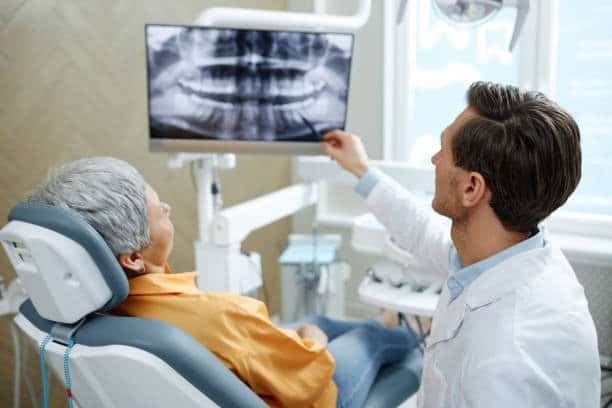
Long-Term Tooth Replacement Solution
Dental implants are designed to last many years with proper care. This makes them one of the most reliable tooth replacement options for older adults.
Key long-term benefits include:
- Durable and strong tooth replacement
- Easy maintenance similar to natural teeth
- Long-lasting oral health improvements
For many seniors, dental implants provide a stable, functional, and long-term solution for missing teeth, helping them maintain comfort, confidence, and better oral health.
Health Factors Doctors Evaluate Before Implant Treatment
Before recommending dental implants, doctors carefully evaluate several health factors that can influence implant success. These evaluations help ensure that the implant will integrate properly with the jawbone and remain stable for many years.
A detailed examination allows specialists to identify any conditions that may require treatment before implant placement.
Oral Health Condition
The overall condition of the mouth is one of the first things doctors evaluate. Healthy gums and a clean oral environment are essential for successful implant integration.
Doctors typically check for:
- Gum disease or inflammation
- Active dental infections
- Remaining tooth stability
- Overall oral hygiene habits
Treating these issues beforehand helps reduce complications.
Jawbone Quality and Density
Dental implants require a strong and healthy jawbone to remain stable. If the bone has weakened due to tooth loss or other conditions, the implant may not integrate properly.
Specialists evaluate:
- Bone density and volume
- Bone structure in the implant area
- Possible bone loss over time
This information helps determine whether the patient is a good candidate for implant treatment.
General Medical Health
A patient’s overall health also plays an important role in implant success. Certain medical conditions may affect healing and recovery after surgery.
Doctors usually review:
- Medical history and medications
- Chronic conditions such as diabetes
- Immune system health
- Lifestyle habits such as smoking
Understanding these factors helps doctors plan the safest and most effective treatment approach.

Bone Health And Dental Implants After 60
Bone health plays an important role in the success of dental implants after the age of 60. Even though some bone loss can occur over time, many seniors still have enough bone to support dental implants successfully.
Before treatment, doctors carefully evaluate the jawbone density and structure using modern diagnostic tools. This helps determine whether the bone can support the implant and ensures safe and predictable results.
Key factors doctors analyze include:
- Bone density and strength in the implant area
- Bone loss caused by missing teeth over time
- Gum health and surrounding tissues
- Overall healing capacity of the patient
Even when bone volume is limited, modern implant techniques may still allow successful treatment. With proper planning and experienced specialists, many patients over 60 can safely receive dental implants.
Common Concerns Older Patients Have About Dental Implants
Many patients over 60 are interested in dental implants but may have concerns before starting treatment. Understanding these concerns can help patients feel more confident when considering implant procedures.
Some of the most common questions older patients ask include:
Is age a problem for dental implants?
Age itself is not a limitation. Overall health and bone condition are much more important factors.
Will the procedure be painful?
Dental implant procedures are performed with modern anesthesia techniques, which help keep patients comfortable during treatment.
Do older patients heal more slowly?
Healing time can vary, but many seniors recover normally when they follow proper post-treatment care.
Will dental implants look natural?
Modern implant restorations are designed to match natural teeth in both appearance and function.
How The Dental Implant Procedure Works For Seniors
The dental implant procedure for seniors follows a carefully planned process to ensure safe and predictable results. Modern techniques allow many patients over 60 to restore missing teeth comfortably and effectively.
The process usually involves several important steps.
Initial consultation and evaluation
During the first visit, the dentist evaluates the patient’s oral health and jawbone condition. Digital scans and X-rays help determine whether the patient is a suitable candidate for dental implants.
Implant placement
Once the treatment plan is ready, the implant is placed into the jawbone during a minor surgical procedure. This titanium implant acts as an artificial tooth root that will support the new tooth.
Healing and bone integration
After placement, the implant needs time to integrate with the jawbone. This process, known as osseointegration, allows the implant to become stable and secure.
Final tooth restoration
Once healing is complete, a custom-made crown, bridge, or prosthetic tooth is attached to the implant. This final step restores both the function and appearance of the missing tooth.
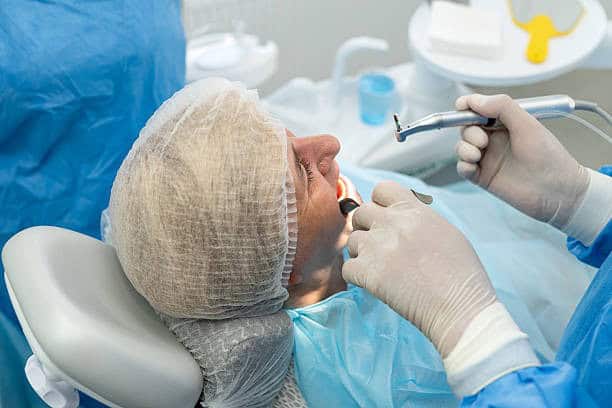
Recovery And Healing After Dental Implants For Patients Over 60
Recovery after dental implant surgery is usually smooth for many patients over 60. With proper care and following the dentist’s instructions, healing can progress normally and the implant can integrate successfully with the jawbone.
The healing process happens gradually as the implant bonds with the bone through a process called osseointegration. During this time, maintaining good oral hygiene and avoiding excessive pressure on the implant area is very important.
Some common aspects of the recovery period include:
- Mild swelling or discomfort during the first few days
- Following a soft food diet while the implant area heals
- Keeping the mouth clean to prevent infection
- Attending follow-up visits with the dentist
With proper care and professional monitoring, most patients over 60 recover well and can enjoy stable, long-lasting dental implant results.
Tips For Maintaining Dental Implants Long-Term
Dental implants can last many years when they are properly maintained. Good oral hygiene and regular dental check-ups play an important role in keeping implants healthy and stable.
Daily habits help protect the surrounding gums and bone that support the implant.
Important tips for long-term implant care include:
- Brush your teeth twice a day using a soft-bristled toothbrush
- Clean around the implant carefully to remove plaque and bacteria
- Visit your dentist regularly for professional check-ups and cleaning
- Avoid smoking, which can affect gum health and healing
- Maintain a balanced diet to support overall oral health
With consistent care and proper hygiene, dental implants can remain strong and functional for many years.
Why Many Seniors Choose Dental Implants Instead Of Dentures
Many seniors choose dental implants instead of dentures because implants offer greater stability and a more natural feel. Unlike removable dentures, implants are fixed securely in the jawbone and function similarly to natural tooth roots.
Dental implants also allow patients to eat and speak more comfortably without worrying about movement or slipping. This makes daily activities easier and improves overall confidence.
Key reasons seniors often prefer dental implants include:
- Stronger bite support for chewing different types of food
- No slipping or movement while eating or speaking
- More natural appearance and comfort
- Support for the jawbone, helping reduce bone loss over time
For many older adults, dental implants provide a long-lasting and reliable solution for replacing missing teeth.
Frequently Asked Questions
Are Dental Implants Safe For Patients Over 60?
Yes, dental implants are generally safe for patients over 60. Age alone is not a limiting factor, and many seniors successfully restore missing teeth with modern implant treatments.
How Long Do Dental Implants Last For Seniors?
With proper care and regular dental check-ups, dental implants can last many years. Maintaining good oral hygiene is essential for long-term success.
Is The Dental Implant Procedure Painful?
The procedure is typically performed with local anesthesia, which helps keep patients comfortable during treatment. Most patients report only mild discomfort during the healing period.
How Long Does Healing Take After Dental Implant Surgery?
Healing time can vary depending on the patient and bone condition. In most cases, the implant integrates with the jawbone over several weeks or a few months.
Can Seniors With Bone Loss Still Get Dental Implants?
Yes, many patients with bone loss may still qualify for implants. Modern implant techniques and careful treatment planning allow specialists to treat a wide range of cases.
Why Choose Dr. Roland Zhuka For Dental Implants In Albania
Choosing the right implant specialist is one of the most important decisions when considering dental implants. Experience, training, and modern technology all play a key role in achieving safe and long-lasting results.
Dr. Roland Zhuka is one of the leading implantologists in Albania and the founder of Implantus Dental Clinic. With more than 20 years of experience and advanced training in implantology in Rome, as well as further specializations in the United States, Lisbon, and Berlin, he provides modern and highly specialized implant treatments.
International training and expertise
Dr. Roland Zhuka has completed advanced implantology training with international specialists and continues to follow the latest developments in dental implant techniques. His experience allows him to handle both standard and complex implant cases with precision.
Advanced implant procedures
At his clinic, patients can benefit from modern implant solutions such as:
- All-on-4 dental implants
- All-on-6 dental implants
- Full-arch implant restorations
- Advanced implant planning techniques
These procedures help restore missing teeth with strong, natural-looking results.
Modern clinic and patient-focused care
The Implantus clinic uses modern dental technology and focuses on personalized treatment planning. Patients receive careful evaluation, detailed treatment explanations, and continuous support throughout the implant process.
Trusted by international patients
Thousands of patients from Albania and abroad choose Dr. Roland Zhuka for dental implant treatment due to his reputation for precision, professionalism, and patient satisfaction.



 English
  Italiano
  Shqip
Shqip  Français