

Dental implants are one of the most reliable ways to replace missing teeth, but in some cases, they can fail if certain factors are not properly managed. Understanding why dental implants fail and how experienced surgeons prevent it is essential for patients who want long-lasting results.
At Dr. Roland Zhuka’s clinic, careful planning, advanced diagnostics, and surgical expertise help reduce risks and significantly improve implant success rates.
Why Dental Implants Fail: The Most Common Causes Patients Should Know
Dental implants are considered one of the most reliable ways to replace missing teeth, with success rates often exceeding 95%. However, like any surgical procedure, implant treatment can sometimes fail when certain risk factors are present.
Understanding why dental implants fail helps patients take the right precautions and choose experienced professionals who follow precise planning and surgical protocols. When these factors are properly managed, the chances of implant success increase significantly.
Below are the most common causes that can lead to dental implant failure.
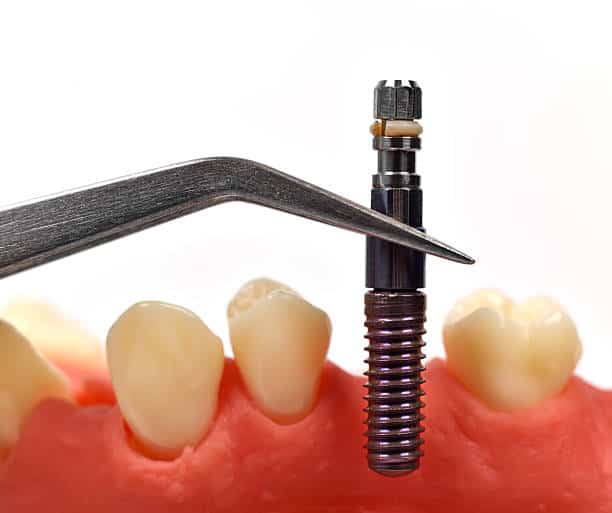
Infection Around the Implant (Peri-Implantitis)
One of the most frequent reasons for implant failure is an infection that develops in the tissues surrounding the implant. This condition, known as peri-implantitis, can damage the gum and the bone supporting the implant.
Common causes of peri-implantitis include:
- Poor oral hygiene after implant placement
- Bacterial buildup around the implant area
- Untreated gum disease
- Lack of regular dental check-ups
If detected early, this condition can often be treated before it threatens the stability of the implant.
Insufficient Bone for Implant Support
Dental implants need a strong and healthy jawbone in order to integrate properly. When the bone is too thin or has deteriorated due to long-term tooth loss, the implant may not bond successfully.
Situations that may affect bone support include:
- Long periods without replacing missing teeth
- Advanced gum disease
- Natural bone loss over time
- Trauma or previous dental infections
Experienced implant surgeons carefully evaluate bone structure before recommending treatment.
Poor Implant Placement
The position and angle of the implant are critical for long-term success. If the implant is not placed correctly, it may fail to integrate with the bone or may experience excessive pressure during chewing.
Implant placement errors can lead to:
- Improper load distribution on the implant
- Damage to surrounding structures
- Difficulty with the final prosthetic crown
This is why choosing a highly experienced implant surgeon is essential.
Smoking and Lifestyle Habits
Lifestyle habits can also influence how well an implant heals. Smoking in particular can slow down the healing process and interfere with bone integration.
Risk factors related to lifestyle include:
- Smoking or tobacco use
- Poor nutrition during healing
- Excessive alcohol consumption
- Teeth grinding (bruxism)
Patients who reduce these risk factors significantly improve the chances of successful implant healing.
Lack of Proper Aftercare
Even perfectly placed implants require proper care after surgery. Patients who neglect oral hygiene or skip follow-up visits may increase the risk of complications.
Important aftercare habits include:
- Brushing and flossing around the implant area
- Attending regular dental check-ups
- Following post-surgical instructions carefully
- Avoiding excessive pressure on the implant during healing
When patients follow these guidelines, implants can remain functional and healthy for many years.
Understanding the most common causes of dental implant failure allows patients to make informed decisions and protect their long-term oral health. With the right planning, experienced surgical care, and proper maintenance, dental implants can provide stable and long-lasting tooth replacement.
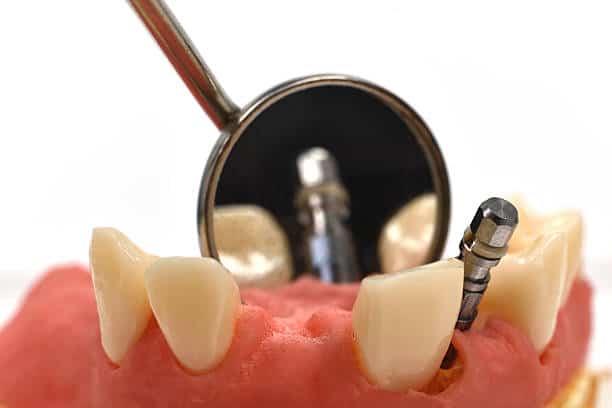
Understanding The Importance Of Proper Implant Planning
Dental implant success does not begin in the operating chair. It begins with careful diagnosis, evaluation, and planning that ensures the implant is placed in the right position for long-term function and stability.
When planning is rushed or incomplete, the risk of implant complications increases. Experienced implant surgeons therefore spend significant time analyzing the patient’s anatomy before any procedure takes place.
Proper implant planning usually includes several critical steps:
- Comprehensive oral evaluation to assess gum health, remaining teeth, and overall oral condition.
- Digital imaging and 3D CBCT scans to analyze bone structure and identify the safest implant position.
- Bone density assessment to determine whether the jawbone can support the implant.
- Prosthetic planning, meaning the final crown or full-arch restoration is designed before the implant is placed.
Planning the final tooth restoration first is essential. This approach ensures the implant is positioned to support proper bite alignment, natural appearance, and long-term comfort.
Modern clinics also use digital implant planning software, which allows surgeons to simulate the entire procedure before surgery. This technology improves precision and significantly reduces potential risks.
When implant planning is performed carefully by experienced specialists, patients benefit from:
- More accurate implant placement
- Faster healing and integration with the bone
- Reduced risk of implant failure
- Natural-looking and long-lasting results
For this reason, implant planning is considered one of the most important stages of successful dental implant treatment.
The Role Of Bone Quality And Osseointegration In Implant Success
Dental implants function as artificial tooth roots, which means they rely heavily on the strength and health of the jawbone. Without sufficient bone support, even the most advanced dental implant cannot remain stable over time.
The biological process that allows implants to become firmly anchored in the jaw is called osseointegration. During this stage, the bone gradually grows around the implant surface and creates a strong bond that allows the implant to function like a natural tooth root.
Why Bone Quality Matters
Not all jawbones are the same. Some patients have dense, strong bones that support implants very well, while others may have weaker or thinner bones due to tooth loss or other factors.
Better bone quality usually leads to:
- Stronger implant stability
- Faster healing and integration
- Lower risk of implant complications
- Long-lasting implant performance
For this reason, implant specialists always analyze the bone carefully before treatment begins.
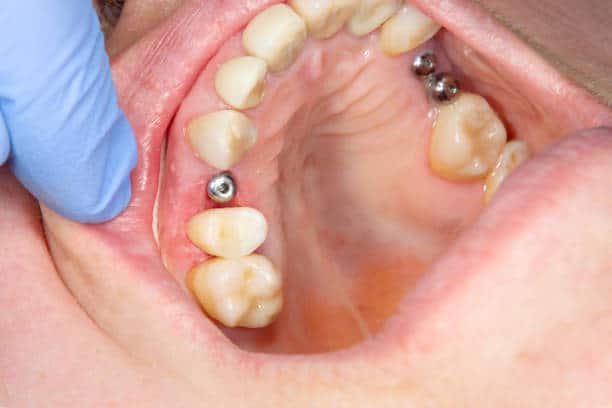
What Is Osseointegration?
Osseointegration is the process where the implant and the bone fuse together. This stage normally takes several weeks or months, depending on the patient’s healing ability and bone condition.
During this period:
- The bone cells attach to the implant surface
- New bone tissue forms around the implant
- The implant becomes firmly fixed in the jaw
Once osseointegration is complete, the implant can safely support crowns, bridges, or full-arch restorations.
Factors That Influence Bone Integration
Several elements can affect how successfully the bone integrates with the implant:
- Bone density and thickness
- Surgical precision during implant placement
- Proper healing conditions after surgery
- Overall health of the patient
Healthy bones and careful surgical techniques greatly increase the chances of successful implant treatment.
When Bone Quality Is Not Ideal
In some cases, patients may not have enough bone to support a traditional implant. However, modern dentistry offers several techniques that allow implants to be placed even in challenging situations.
Possible solutions may include:
- Bone grafting procedures
- Specialized implant techniques
- Advanced implant designs for low bone volume
These approaches help many patients restore missing teeth even when bone conditions are not perfect.
Strong bone structure and successful osseointegration are the foundation of long-lasting dental implants. When these factors are properly evaluated and managed, implants can remain stable and functional for many years.
How Infection And Poor Oral Hygiene Can Lead To Implant Failure
Bacteria around the implant can cause inflammation and infection in the surrounding tissues. If not treated early, this infection may damage the bone that holds the implant in place.
The most common infection is peri-implantitis, which develops when plaque builds up around the implant.
Common warning signs include:
- Red or swollen gums
- Bleeding around the implant
- Bad breath or bad taste
- Discomfort near the implant
Good oral hygiene and regular dental check-ups are essential to keep implants healthy and prevent complications.
Surgical Precision: Why Choosing An Experienced Implant Surgeon Matters
Dental implant success depends greatly on surgical precision. Even small errors in implant positioning can affect stability, healing, and the final appearance of the restoration.
This is why choosing a highly experienced implant surgeon is essential. Specialists with extensive training understand how to evaluate bone structure, place implants at the correct angle, and minimize risks during surgery.
An experienced implant surgeon focuses on:
- Precise implant positioning for long-term stability
- Careful planning before surgery
- Protecting the surrounding nerves and anatomical structures
- Ensuring proper bite alignment and implant support
Dr. Roland Zhuka is known for his advanced experience in dental implantology and complex implant procedures. Through careful planning and precise surgical techniques, he focuses on achieving predictable and long-lasting implant results for patients.
Warning Signs That A Dental Implant May Be Failing
Dental implants are designed to be stable and long-lasting, but certain symptoms may indicate that something is not healing properly. Recognizing these signs early can help prevent more serious complications.
Common warning signs include:
- Persistent pain or discomfort around the implant area
- Swollen or bleeding gums near the implant
- Implant feeling loose or moving, which should never occur
- Difficulty while chewing or biting
- Gum recession around the implant exposing more of the implant structure
If any of these symptoms appear, it is important to contact your dentist as soon as possible for evaluation and treatment.
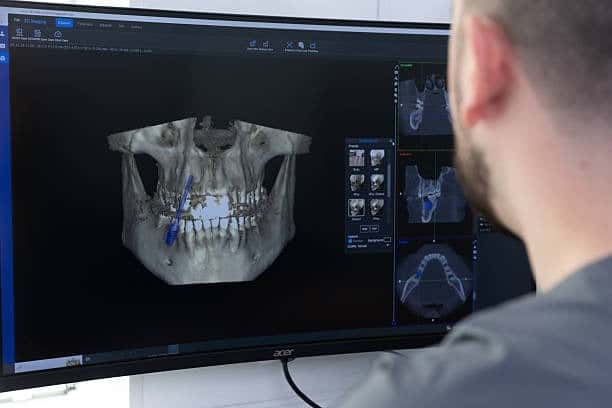
How Modern Technology Helps Prevent Dental Implant Failure
Modern dentistry uses advanced technology to make dental implant procedures safer, more precise, and more predictable. These tools allow specialists to analyze the patient’s anatomy carefully and plan the implant placement before surgery even begins.
One of the most important innovations used today is Digital Smile Design (DSD). This technology allows surgeons to digitally plan the final smile and determine the exact implant position needed to support the future teeth.
Technologies that help prevent implant complications include:
- Digital Smile Design (DSD) to visualize the final result before treatment
- 3D CBCT scans for detailed evaluation of bone structure
- Digital treatment planning software for accurate implant positioning
- Advanced surgical techniques that reduce trauma and improve healing
At Dr. Roland Zhuka’s clinic, these modern technologies are combined with extensive experience in implantology. Through careful digital planning and precise surgical execution, treatments are designed to reduce risks and improve long-term implant success.
Steps Patients Can Take To Protect Their Dental Implants Long-Term
Dental implants can last many years when patients take proper care of them. Daily oral hygiene and regular dental visits play an important role in maintaining implant stability and gum health.
Simple steps that help protect dental implants include:
- Brush your teeth twice a day using a soft-bristle toothbrush
- Floss daily to remove plaque around the implant area
- Visit your dentist regularly for professional check-ups and cleanings
- Avoid smoking, which can interfere with healing and gum health
- Follow your dentist’s instructions after implant placement
Maintaining these habits helps keep the surrounding gums and bone healthy, supporting the long-term success of dental implants.
Why Many International Patients Choose Albania For Dental Implant Treatment
Albania has become a leading destination for dental tourism and dental implants in Europe. Every year, thousands of international patients travel to the country to receive high-quality dental treatments while saving significantly compared to Western European prices.
Modern clinics, experienced implant surgeons, and advanced technology make Albania an attractive option for patients seeking reliable implant solutions.
Key reasons why patients choose Albania for dental implants include:
- Affordable dental implant costs compared to Italy, Germany, Switzerland, and the UK
- Highly experienced implant specialists with advanced training in implantology
- Modern dental clinics are equipped with digital imaging and advanced implant technology
- Short waiting times and fast treatment scheduling
- Personalized care for international patients traveling for dental treatment
For many patients, dental treatment in Albania offers the perfect combination of quality, safety, and affordability, making it one of the fastest-growing destinations for dental implants abroad.
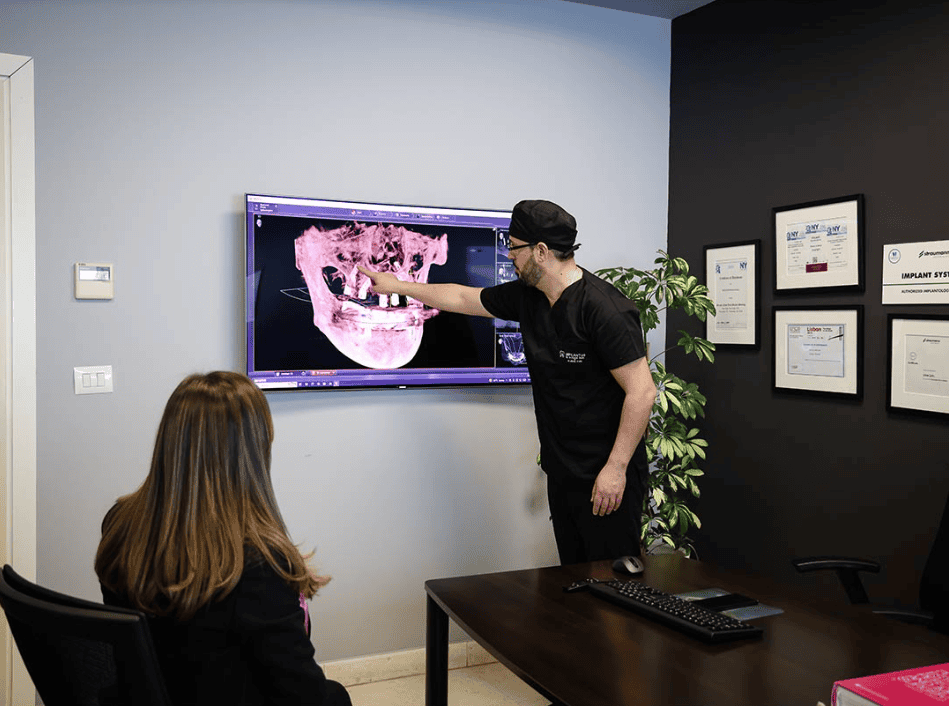
How Dr. Roland Zhuka Ensures High Dental Implant Success Rates
Successful dental implants require precision, experience, and advanced technology. Dr. Roland Zhuka focuses on detailed diagnosis and careful planning to ensure every implant is placed in the most stable and safe position.
Every patient receives personalized care and a treatment plan tailored to their oral health needs. From consultation to the final restoration, the focus is always on long-term implant success.
Contact Us
If you are considering dental implants in Albania, Dr. Roland Zhuka provides advanced implant treatments for both local and international patients.
- Phone: +355 69 70 44 409
- Email: info@dr-rolandzhuka.com



 English
  Italiano
  Shqip
Shqip  Français