

Wisdom tooth extraction is one of the most common dental procedures. It is often required when wisdom teeth erupt irregularly, cause pain, or create issues with teeth located nearby.
This article explains everything you need to know about the process, the reasons why it is recommended, after-care, and what to expect during the recovery period.
What Is A Wisdom Tooth?
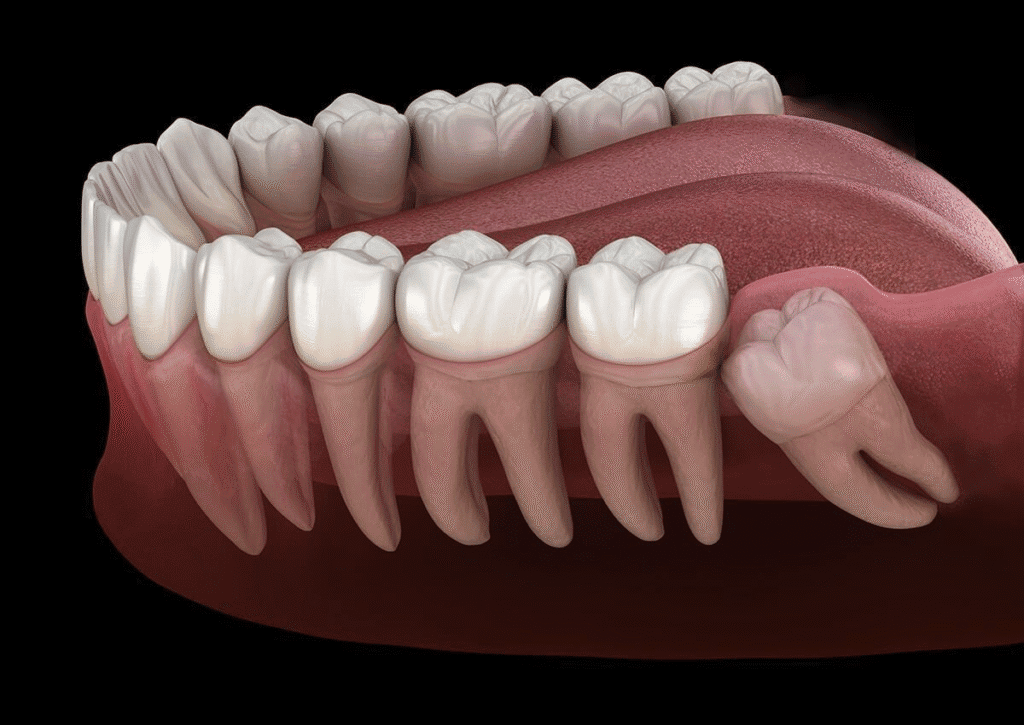
The wisdom tooth is the third molar that usually erupts between the ages of 17 to 25. It is located at the back part of the jaw, and it is the last tooth to appear in the mouth.
Mostly, these teeth dont have enough space to develop as they should. This can cause pain, inflammation, or pressure on the other teeth.
In some cases, wisdom teeth erupt without issues and dont require intervention. But in other cases, that can remain under the gums or erupt obliquely, creating complications that require extraction.
Wisdom teeth are considered a natural part of oral development, but they are not always functional. For many patients, they cause more issues than help with the eating process.
When Is Wisdom Tooth Extraction Recommended?
The extraction of the wisdom teeth is not always necessary. Many patients can keep them for life without facing any issues. However, there are some situations where the dentist requires the extraction to prevent more serious complications in the future.
Impacted Wisdom Tooth
Wisdom teeth often do not erupt completely and remain partially trapped in the gums. This condition is called “impaction” and can cause inflammation, pain, and frequent infections.
An impacted tooth can also damage the roots of nearby teeth. For this reason, the dental surgeon frequently recommends the extraction, so oral health is protected.
Frequent Pain Or Swelling
If wisdom teeth cause frequent pain or gum swelling, this is a clear sign that they should be extracted. Pain is usually a result of pressure on the nearby teeth or repeated infections.
Ignoring these symptoms can lead to more serious damage to the jaw and other teeth.
Not Enough Space In The Jaw
In most cases, wisdom teeth dont have enough space to erupt as they should. This can lead to misalignments and biting deformations.
Early extraction of these teeth prevents orthodontic issues and maintains smile aesthetics.
Tooth Decay And Poor Hygiene
Thanks to their position, wisdom teeth are more difficult to clean. This makes them more prone to developing cavities and gum infections.
If dental decay is advanced, wisdom tooth extraction is recommended to prevent complications.
Cysts Or Bone Lesions
In rare cases, cysts can form around the wisdom tooth that damage the bone and surrounding tissues. This is a serious issue that calls for immediate extraction
These cases require specialized treatment to protect oral health in the long term.
Symptoms That Indicate The Need For Wisdom Tooth Removal

It is not always easy to understand whether wisdom teeth are causing serious issues. Often, symptoms start to show gradually and can be ignored until they become serious. Early identification is essential for avoiding complications.
Pain and tenderness in the back of the jaw
Continuous pain in the area where the wisdom teeth are located is one of the most common signs. It can be accompanied by sensitivity while eating or pressure on the neighboring teeth.
Gum inflammation or swelling
When the tooth partially erupts or is blocked under the gums, this can cause swelling, inflammation, and redness. This will increase the risk of repeated infections.
Difficulty opening the mouth
In some cases, impacted wisdom teeth can cause restriction of jaw movement. This can make it difficult to open the mouth or chew normally.
Bad breath and unpleasant taste
Wisdom teeth that erupt at an undesired angle or are partially covered create space where bacteria accumulate. This causes bad breath and an unpleasant taste in the mouth.
Damage to the other teeth
When a wisdom tooth causes pressure on the nearby teeth, they can be damaged. This leads to tooth decay or movement, affecting the entire dental alignment.
Headache or earache
The pressure caused by the irregular eruption of the wisdom teeth can spread to other areas of the face. Many patients experience headache, earache, or pressure on the jaw.
The Process Of Wisdom Tooth Extraction
The wisdom tooth extraction is a common procedure, but it requires careful planning. It is recommended in cases when these teeth cause pain, inflammation, or issues with the other teeth.
In most cases, the procedure is performed in a dental clinic and lasts a couple of minutes to an hour. The durability will depend on the tooth position and the complication level.
Consultation and initial examination
Initially, the dental surgeon or dentist will perform a detailed check-up. Radiographs will help them locate the tooth position and decide how the extraction will be performed.
This phase is important for deciding whether the tooth is impacted, angled, or has enough space for the extraction. The decision whether it should be extracted will be made only after a thorough examination.
Anesthesia
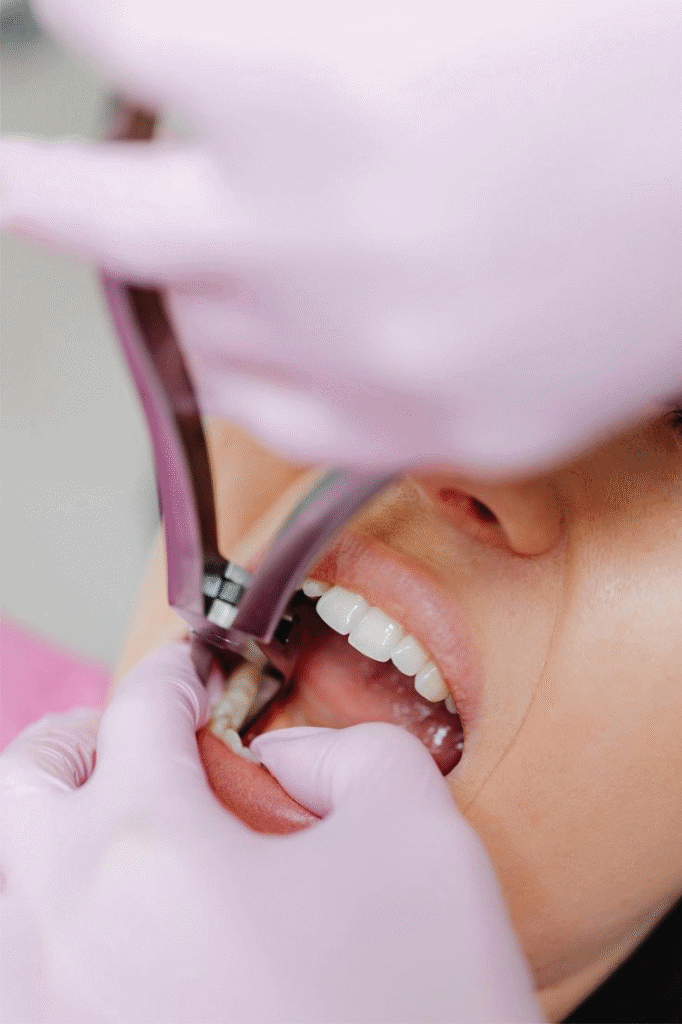
Before the procedure starts, the local anesthesia will be administered. This will numb the affected area and make sure the patient doesn’t feel pain during the extraction.
In more complex cases, deeper sedation or general anesthesia may be used. This depends on the complexity of the case and the patient’s preferences.
Opening the gums
The dental surgeon will make a small cut in the gums to expose the wisdom tooth. If the tooth is partially covered by the bone, a small section will be removed to make the tooth visible.
This step is essential for making tooth extraction easier. This helps avoid unnecessary damage to the surrounding tissues.
Wisdom tooth extraction
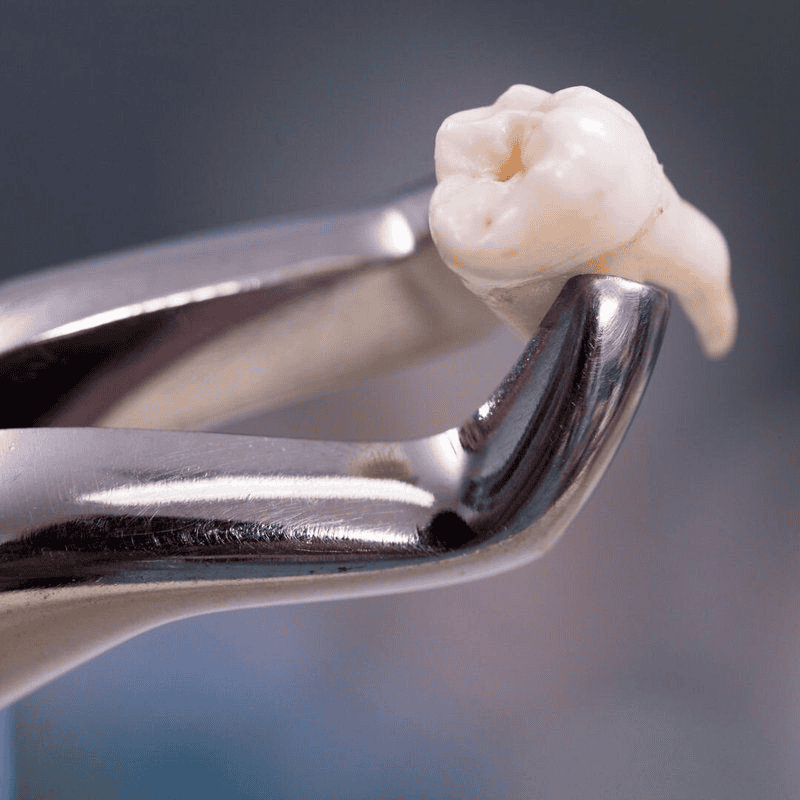
In some cases, the whole wisdom tooth will be extracted. When it is bigger or blocked, it can be separated into smaller parts that will be removed one by one.
This process makes extraction easier and less traumatic for the jaw and gums. This way, the recovery period after the procedure will also be reduced.
Cleaning the area
Once the wisdom tooth is extracted, the area will be carefully cleaned. This includes removing the remaining particles of the tooth and tissues that can cause infections.
Good cleaning of the area is essential to ensure a quick and safe recovery. It reduces the risk of complications after surgery.
Stitches and initial recovery
If necessary, stitches will be used to close the gums. The stitches can be temporary or self-dissolving, depending on the method used.
This helps with the stabilisation of the area and speeding up the recovery process. Most of the patients will recover gradually within a few days to two weeks.
Pain And Anesthesia During The Procedure
One of the common concerns of patients is pain during the wisdom tooth extraction. Thanks to the use of modern anesthesia, the procedure is almost completely pain-free, and the patient will only feel a light pressure during the tooth extraction.
Local anesthesia is used in most cases to numb the jaw area where the wisdom tooth is located. This makes the process safe and comfortable, easing the fear that many patients feel before the procedure.
In more complex cases, especially when the wisdom tooth is severely impacted, intravenous sedation or general anesthesia can be used. This will be decided by the dental surgeon’s assessment and the patient’s health condition.
Thanks to these methods, wisdom tooth extraction is a simple and less stressful procedure than it is thought to be. The patient will remain calm while the surgeon performs the extraction.
Wisdom Teeth Removal After Care
After wisdom tooth removal, the right care is essential for a fast and complication-free recovery.
The first few days are most important, as this is when the blood clot that protects the extraction site forms. If the doctor’s instructions are not followed, prolonged pain or bleeding may occur.
Important after-care instructions:
- Keep ice compressions on the cheek to reduce the swelling during the first 24 hours.
- Dont forcefully rinse the mouth during the first hours to avoid damaging the blood clots.
- Only consume soft and liquid foods such as soups, purees, or yogurt for a couple of days.
- Avoid hard, spicy, and hot foods that can irritate the wounds.
- Do not drink through a straw and dont smoke, since they can cause complications.
- Take the recommended pain-free medications and antibiotics according to the surgeon’s instructions.
- Carefully brush your teeth, avoiding the treated area for a couple of days.
- Follow regular check-ups to monitor the healing process and to remove the stitches if there are any.
Following these tips ensures a smooth and speedy recovery. Within one to two weeks, most patients return to their daily activities without any discomfort.
Possible Complications
Even though wisdom tooth extraction is a safe procedure, as with any other surgical intervention, it can be accompanied by some complications. Most of them are mild and pass with proper care, but it is important that the patient is properly informed about them.
The most common complications are:
- Swelling and pain in the treated area that usually lasts for a couple of days.
- Light bleeding, especially during the first days after the procedure.
- Infection occurs if oral hygiene and the surgeon’s instructions are not respected.
- “Dry socket”, a condition where blood coagulation is disrupted, causing severe pain.
- Temporary difficulty while opening the mouth, thanks to inflammation.
- Temporary numbness or sensitivity on the lips, tongue, or cheek occurs in cases when the nerves near the area are affected.
If symptoms get worse or last longer than normal, it is essential to immediately contact the surgeon. Early treatment of any complication ensures a faster recovery and prevents long-term consequences.
How Long Does Recovery Last?
Recovery after wisdom tooth removal is different from one patient to another. This will depend on the tooth position, procedure complexity, and how well the instructions are followed after the intervention.
Overall, initial recovery will happen within the first 7–10 days, while the full recovery of the bones and gums can last several weeks. During this time, it is important to avoid any activity that can disrupt the healing process.
The main recovery phases are:
- The first 24–48 hours: Blood coagulation forms, and the healing process starts. Swelling and pain are more severe at this time.
- The first 3–5 days: Swelling starts to go down, and pain is easily controlled with medications.
- The first week after the extraction: Most of the patients will return to their normal everyday activities.
- After 2–3 weeks: Gums will be completely healed, while the inner tissues continue regenerating.
- After 3–4 months: Full bone recovery in the area where the wisdom tooth was located.
If the dental surgeon’s instructions are carefully followed, the recovery process is easy and complication-free. Patients can gradually return to their routine while maintaining good oral hygiene and avoiding habits that can damage the wound.
The Cost Of Wisdom Tooth Removal In Albania
The cost of wisdom tooth removal in Albannia differs from one patient ot another, and the procedure is not the same for everyone. It will be decided after the initial consultation, where the surgeon analyses the tooth condition and the complexities of the procedure.
Factors that affect the cost are:
- Case complexity. Extraction of an impacted or partially covered wisdom tooth requires more time and a precise surgical technique.
- The anesthesia used. In simple cases, local anesthesia is enough, while in more complex procedures, more complicated methods might be required.
- Technology and equipment used. Modern clinics use advanced surgical equipment to offer a safer and more comfortable treatment.
- Dentists experience. A specialised dental surgeon with years of experience in the field offers precise procedures and better results.
- Post-procedure check-ups. The price may also include follow-up visits and instructions for post-removal care.
Besides these factors, Albania remains a suitable destination for this type of treatment, offering the perfect combination of affordable costs and modern services. In specialized dental clinics such as Implantus by Dr. Roland Zhuka, patients will get professional care and safe treatments according to European standards.
Contact Us
If you need help with wisdom tooth extraction or other dental treatments in Albania, we are here to help. Our clinics offer professional European-standard services and competitive prices for local and international patients.
📍 Adress: Rruga e Elbasanit, Tiranë, Shqipëri
📞Phone number: +355 69 70 44 409
📧 Email: info@dr-rolandzhuka.com
🌐 Website: https://dr-rolandzhuka.com/
Contact us for:
- A consultation and radiographic examination.
- Information on the wisdom tooth extraction cost in Albania.
- Planning visits for Italian and international patients.
- Personalized treatment plans and aftercare.
👉 Book a free consultation today and take the first step towards a healthy and pain-free smile.




 English
  Italiano
  Shqip
Shqip  Français