

Before choosing All-on-4 dental implants, it is essential to understand what the procedure truly involves and how it affects long-term oral health. Dr. Roland Zhuka emphasizes that proper planning, bone evaluation, and realistic expectations are key to achieving stable results. Knowing these important facts can help patients make informed decisions about full-arch implant treatment.
Understanding the All-on-4 Concept
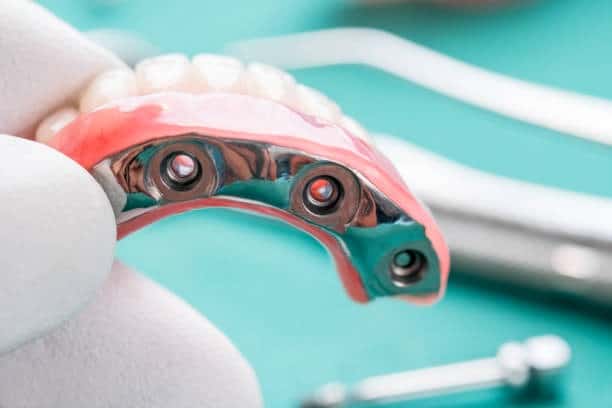
The All-on-4 concept is a full-arch dental implant solution designed to replace all missing teeth in one jaw using only four strategically placed implants. Instead of placing an implant for every missing tooth, the technique maximizes existing bone by angling the posterior implants for better support.
This approach allows a fixed bridge to be securely attached to the implants, often within 24–48 hours in suitable cases. The result is a stable, non-removable solution that restores both function and appearance without the need for traditional removable dentures.
All-on-4 is particularly beneficial for patients with moderate bone loss who want a faster and more efficient full-mouth rehabilitation. Proper digital planning and precise implant positioning are essential to ensure long-term stability and predictable outcomes.
What All-on-4 Really Is (And What It Is Not)
All-on-4 is a full-arch dental implant solution that uses four strategically positioned implants to support a fixed bridge. It is designed to restore an entire upper or lower jaw with stable, non-removable teeth.
It is a carefully planned surgical and prosthetic procedure based on bone quality, implant angulation, and load distribution. It focuses on maximizing existing bone and, in many cases, allows immediate temporary teeth after surgery.
It is not a quick cosmetic shortcut or a one-size-fits-all treatment. Not every patient qualifies automatically, and proper 3D evaluation is required to determine whether All-on-4 is the right option.
It is also not the same as traditional dentures, since the bridge is fixed and supported by implants rather than resting on the gums. Understanding this distinction helps patients set realistic expectations before undergoing treatment.
Who Is a Good Candidate for All-on-4 Implants?
All-on-4 implants are ideal for patients who have lost most or all of their teeth in one jaw and are looking for a fixed, long-term solution. This treatment is commonly recommended for individuals who want to avoid removable dentures and restore full chewing function.
Patients With Multiple Missing or Failing Teeth
Candidates often include those with severely damaged, decayed, or mobile teeth that cannot be saved. Instead of replacing each tooth individually, All-on-4 allows full-arch rehabilitation with fewer implants.
Patients With Moderate Bone Loss
Many patients with some degree of bone resorption can still qualify for All-on-4. The angled placement of posterior implants is specifically designed to maximize available bone without requiring extensive grafting in selected cases.
Patients Seeking a Fixed Alternative to Dentures
Individuals who are uncomfortable with removable dentures frequently choose All-on-4 for improved stability and confidence. The fixed bridge eliminates movement and enhances speech and daily comfort.
Patients in Stable General Health
Good overall health and adequate healing capacity are important for implant success. Controlled medical conditions and proper oral hygiene habits increase the likelihood of predictable long-term outcomes.
Why a 3D CBCT Bone Evaluation Is Essential Before Surgery
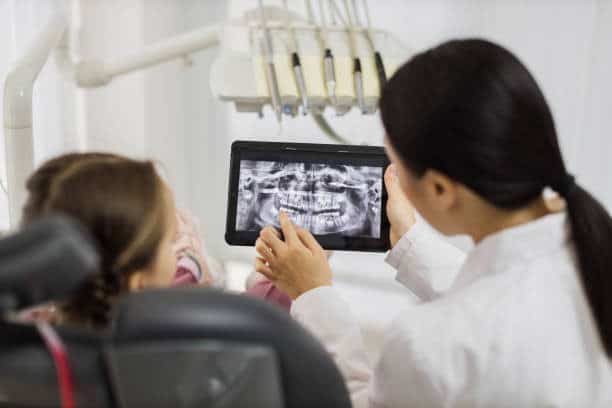
A 3D CBCT bone evaluation is a critical step before All-on-4 surgery because it provides a detailed view of bone volume, density, and anatomical structures. Unlike traditional X-rays, CBCT imaging allows precise implant planning, reduces surgical risks, and ensures that implants are positioned for maximum stability and long-term success.
Why it matters:
- Accurately measures bone height, width, and density
- Identifies the exact location of nerves and sinuses
- Determines whether immediate loading is possible
- Helps avoid unnecessary bone grafting procedures
- Improves surgical precision and predictability
- Reduces complications during and after surgery
The Role of Primary Stability in Immediate Loading
Primary stability is the mechanical firmness an implant achieves at the moment it is placed into the bone. In immediate loading protocols such as All-on-4, this stability is what allows a temporary fixed bridge to be attached within 24–48 hours.
Without strong primary stability, implants cannot safely support functional forces right after surgery. Bone density, implant design, and precise surgical technique all influence how stable the implant will be on the first day.
Why primary stability is essential:
- Allows safe attachment of same-day temporary teeth
- Reduces micromovements that could interfere with healing
- Supports proper osseointegration over time
- Improves the predictability of long-term implant success
- Determines whether immediate loading is clinically appropriate
Achieving optimal primary stability is not accidental — it is the result of careful digital planning, correct implant positioning, and controlled surgical execution.
Why Implant Positioning Matters More Than the Number of Implants
In full-arch treatments like All-on-4, success is not determined by simply placing more implants. What truly matters is how and where the implants are positioned to distribute chewing forces evenly and maximize available bone support.
Strategic angulation of the posterior implants allows clinicians to avoid anatomical limitations such as sinuses or nerves while still achieving strong anchorage. Proper positioning improves biomechanics, reduces stress on the prosthesis, and enhances long-term stability.
Why positioning is more important than quantity:
- Optimizes load distribution across the arch
- Maximizes use of existing bone structure
- Reduces risk of mechanical complications
- Enhances primary stability for immediate loading
- Improves long-term durability of the final prosthesis
Precision planning ensures that each implant works as part of a balanced system rather than relying on numbers alone.
Immediate Temporary Teeth vs. Final Prosthesis: What to Expect
Understanding the difference between immediate temporary teeth and the final prosthesis is essential before undergoing All-on-4 treatment. While both are fixed solutions, they serve different purposes in the rehabilitation process.
Phase 1: Immediate Temporary Teeth
The temporary bridge is placed within 24–48 hours after implant surgery, provided primary stability is achieved. It allows patients to leave the clinic with fixed teeth while the implants integrate with the bone.
What to expect from temporary teeth:
- Fixed and non-removable
- Designed for aesthetics and light function
- Made from lighter materials
- Requires a soft-food diet during healing
- Acts as a protective phase during osseointegration
This stage focuses on stability and healing, not maximum strength.
Phase 2: The Final Prosthesis
After several months, once full osseointegration is confirmed, the final prosthesis is fabricated. This is the long-term restoration designed for durability and full chewing efficiency.
What to expect from the final prosthesis:
- Stronger, high-performance materials
- Enhanced bite precision and load distribution
- Improved long-term structural support
- Customized aesthetics tailored to facial harmony
- Designed for full functional performance
Why the Two-Stage Approach Matters
The temporary bridge allows immediate function without compromising healing. The final prosthesis completes the process, delivering strength, precision, and long-term predictability.
Knowing this distinction helps patients set realistic expectations and understand that immediate teeth are the beginning of the journey, not the final result.
The Surgical Day: How the Procedure Is Structured
Pre-Surgical Preparation
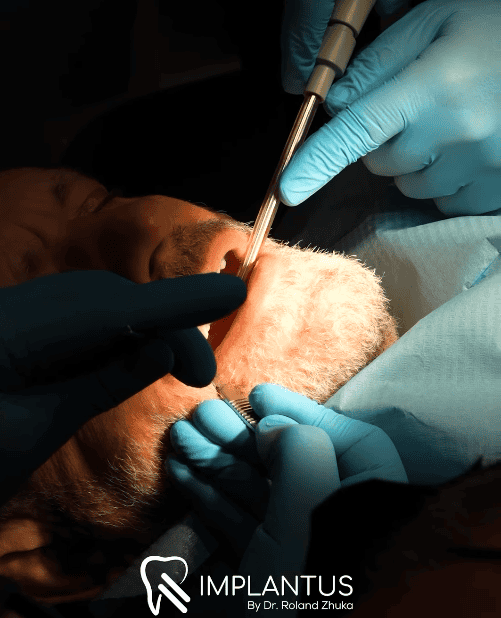
Surgery day begins with a final clinical review and confirmation of the digital treatment plan. Every implant position is rechecked to ensure alignment with the 3D CBCT analysis and prosthetic design.
Local anesthesia is administered to guarantee comfort throughout the procedure. The surgical area is prepared under strict clinical protocols to maintain safety and precision from the very first step.
Implant Placement
The implants are placed according to the pre-planned digital map, using strategic angulation to maximize bone support. Precision during this phase is essential to achieve strong primary stability.
Each implant’s insertion torque is carefully measured during placement. This confirms whether the implants can safely support immediate loading on the same day.
Stability Verification
After placement, the implants are evaluated to ensure they meet the stability criteria required for immediate loading. This step determines whether temporary fixed teeth can be attached safely.
Primary stability protects the implants from harmful micromovements during early healing. It creates the foundation for successful osseointegration in the months ahead.
Temporary Bridge Placement
Once stability is confirmed, a temporary fixed bridge is attached to the implants. The prosthesis is carefully adjusted to ensure balanced bite forces and functional comfort.
Before leaving the clinic, patients receive detailed post-operative instructions. They walk out with fixed teeth, beginning the healing phase with immediate aesthetics and function restored.
Recovery Timeline and Healing Phases
First 72 Hours: Initial Healing
The first few days after All-on-4 surgery are focused on controlling swelling and allowing the tissues to begin healing. Mild discomfort, slight swelling, or minor bruising may occur, but these symptoms are typically manageable and temporary.
Patients are advised to rest, follow medication instructions, and apply cold compresses if needed. A soft-food diet is essential during this stage to protect implant stability.
Weeks 1–4: Early Stabilization
During the first month, soft tissues continue to adapt around the implants and temporary bridge. The implants remain stable, but internal healing is still in progress.
Follow-up visits may be scheduled to monitor healing and adjust the bite if necessary. Maintaining proper oral hygiene is crucial to prevent inflammation around the implants.
Months 2–4: Osseointegration Phase
This is the critical biological phase where the implants fuse with the jawbone in a process called osseointegration. Strong integration ensures long-term structural support and durability.
Although patients can function with their temporary teeth, heavy chewing forces should still be avoided. Regular monitoring ensures the implants are integrating as expected.
Final Phase: Permanent Prosthesis Placement
Once full integration is confirmed, the final prosthesis is fabricated and placed. This restoration is designed for long-term strength, precision, and full chewing function.
The completion of this phase marks the transition from temporary healing to long-term stability. With proper maintenance and follow-up care, the implants are built to function reliably for many years.

Lifestyle Factors That Affect Long-Term Implant Success
Long-term implant success depends not only on surgical precision but also on daily habits and overall health. The following lifestyle factors can significantly influence stability and durability over time:
- Smoking reduces blood flow and delays healing, increasing the risk of implant complications.
- Poor oral hygiene can lead to peri-implant inflammation and bone loss around the implants.
- Uncontrolled diabetes or systemic conditions may interfere with healing and osseointegration.
- Excessive alcohol consumption can negatively affect tissue recovery and immune response.
- Teeth grinding (bruxism) places excessive pressure on implants and prosthetic components.
- Chewing very hard foods may overload implants, especially during early healing.
- Skipping follow-up appointments can delay the detection of potential issues.
- Lack of professional cleanings increases the risk of long-term complications.
Maintaining healthy habits and attending regular dental check-ups are essential for ensuring predictable, long-lasting implant results.
Maintenance, Hygiene & Follow-Up Care

Proper maintenance and consistent follow-up care are essential to ensure the long-term success of All-on-4 dental implants. Even though implants cannot develop cavities, the surrounding gums and bone must remain healthy to preserve stability.
- Brush at least twice daily using a soft-bristled toothbrush to clean around the prosthesis and gum line.
- Use interdental brushes or water flossers to remove plaque from hard-to-reach areas beneath the bridge.
- Schedule professional cleanings every 4–6 months to maintain peri-implant tissue health.
- Attend regular follow-up visits to monitor implant stability and bite balance.
- Avoid hard or sticky foods that may overload or damage the prosthesis.
- Wear a night guard if recommended to protect against bruxism-related stress.
- Report any discomfort, mobility, or inflammation immediately for early intervention.
Consistent hygiene and structured follow-up care significantly reduce complications and help ensure durable, predictable implant outcomes.
How to Choose the Right Implant Specialist
Choosing the right implant specialist is one of the most important steps in your full-arch restoration journey, especially for advanced procedures like All-on-4. Dr. Roland Zhuka emphasizes that expertise, technology, and experience in complex cases are key factors that influence long-term success and predictable outcomes.
- Verify advanced training in implantology, not just general dentistry credentials.
- Ask about experience with full-arch cases, especially All-on-4 and complex bone loss situations.
- Ensure the clinic uses 3D CBCT imaging and digital treatment planning technology.
- Request to see before-and-after clinical cases to evaluate real results.
- Discuss complication management protocols for complex or high-risk cases.
- Confirm structured follow-up care and maintenance programs after surgery.
- Evaluate communication clarity, including how risks and expectations are explained.
An experienced specialist like Dr. Roland Zhuka combines surgical skill, advanced technology, and personalized patient guidance to deliver safe, comfortable, and long-lasting implant solutions.



 English
  Italiano
  Shqip
Shqip  Français