

Teeth moving after braces is more common than many patients expect. A small gap may reopen, a front tooth may rotate, or the lower teeth may begin to overlap again.
This change is called orthodontic relapse. At Implantus Dental Clinic in Tirana, specialist orthodontist Dr. Eliona Prifti evaluates why the movement occurred and whether a new retainer, minor correction, or Invisalign treatment is needed.
Yes, Teeth Can Move Again After Braces
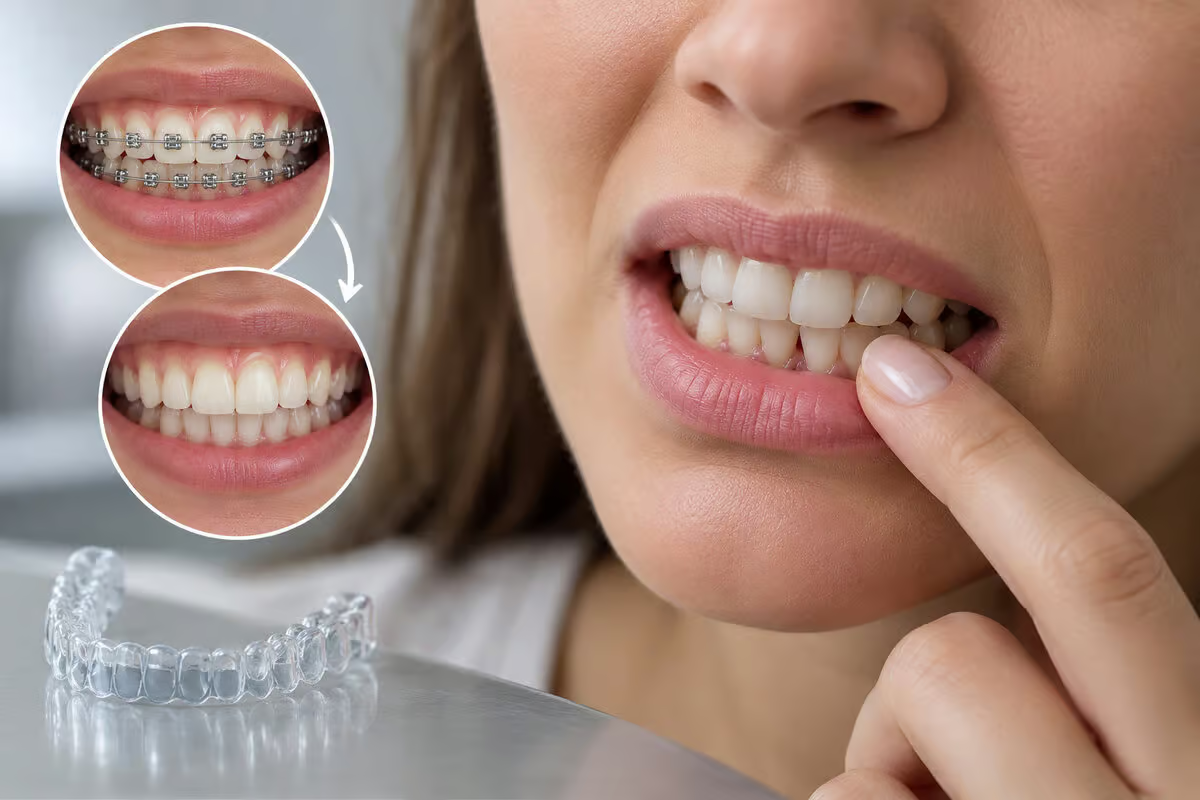
Braces or clear aligners move teeth into improved positions, but they do not make those positions permanently fixed. The bone, gums, and ligaments around the roots continue to adapt after active treatment ends.
Retainers protect the result while these tissues stabilise. Long-term retention is also important because teeth can continue to change naturally throughout adult life.
Movement may happen several weeks after treatment or many years later. It is often noticed when:
- A retainer suddenly feels tight
- The retainer no longer fits completely
- A small gap starts reopening
- One front tooth begins rotating
- The lower front teeth become crowded
- The bite feels different on one side
- A fixed retainer becomes loose
Early changes are usually easier to manage. Waiting can allow a small movement to develop into a more noticeable orthodontic problem.
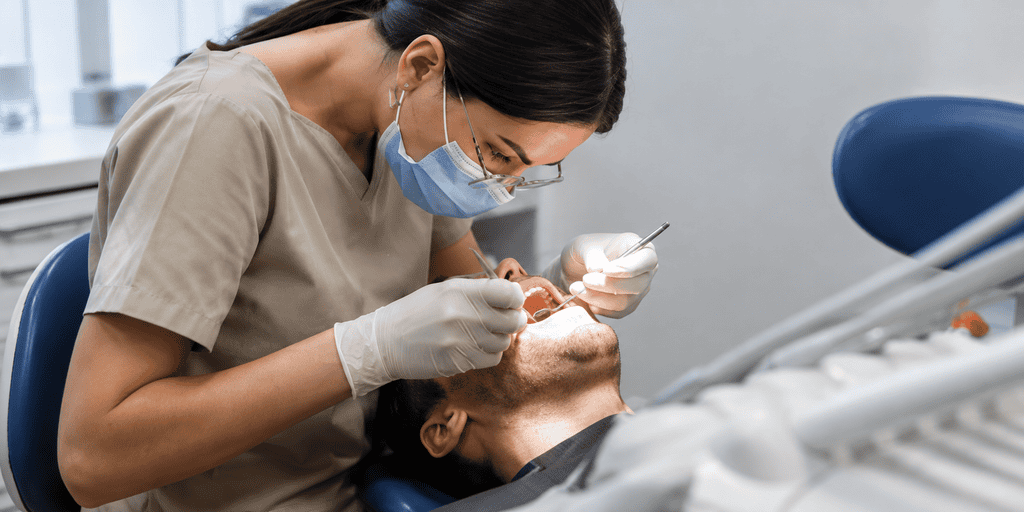
The Most Common Reasons Teeth Move After Braces
You Stopped Wearing Your Retainer
The most frequent cause is stopping retainer use too early or wearing it inconsistently. Teeth naturally tend to move toward their previous positions, especially during the first period after braces or Invisalign.
Some patients wear their retainer for several months and assume the result is now permanent. When retention stops, small changes can begin without pain or obvious warning.
A retainer after orthodontic treatment may need to be worn long term, often at night after the initial retention period. The exact schedule should be set by the orthodontist.
Your Retainer Is Worn, Broken, Or Distorted
A removable retainer can become loose, cracked, or deformed. It may still fit over the teeth while no longer holding them accurately.
Hot water can distort clear plastic retainers. Teeth grinding, biting the retainer into position, and normal wear can also change its shape.
Fixed retainers can partly detach without being immediately noticed. If the wire remains bonded to some teeth but not others, individual teeth may begin to move.
Bring your retainer to the appointment at Implantus Dental Clinic. Its fit and condition can provide useful information about when and where the movement began.
The Original Orthodontic Problem Had A High Risk Of Relapse
Certain tooth movements are more likely to relapse. Rotated teeth, spaces between teeth, lower front-tooth crowding, open bites, and some extraction cases may require particularly careful retention.
This does not mean the original treatment failed. It means the teeth need continued support after active movement has finished.
Dr. Eliona Prifti examines the original problem whenever previous records are available. Understanding where the teeth started helps determine the most stable correction and retention plan.
Your Bite Or Teeth-Grinding Habits Have Changed
The upper and lower teeth apply pressure to each other every day. If this pressure is unbalanced, it can contribute to changes in tooth position.
Teeth grinding or clenching can place additional force on the teeth and retainers. A clear retainer may develop cracks or worn areas, while a fixed retainer may repeatedly detach.
An orthodontic assessment should therefore examine the complete bite rather than only the tooth that appears crooked. Correcting one visible tooth without studying the surrounding forces may produce an unstable result.
Your Mouth Has Changed Over Time
Tooth position can change as the mouth ages. Gum disease, bone loss, missing teeth, large restorations, and changes in the bite may all affect stability.
A missing tooth can allow neighbouring teeth to tilt or move into the space. Gum and bone problems can create mobility that cannot be corrected with a retainer alone.
Implantus provides orthodontic, periodontal, restorative, cosmetic, and implant treatments within the same clinic. This allows the team to identify whether the movement is purely orthodontic or connected to another dental problem.
How Serious Is The Teeth Movement?
The amount of movement determines the next step. A retainer check should take place before deciding that another complete course of braces is necessary.
| What you notice | What it may indicate | Possible next step |
| Retainer feels slightly tight | Very early tooth movement | Retainer and tooth-position check |
| Small gap or mild rotation | Limited orthodontic relapse | New retainer or short aligner correction |
| Retainer no longer fits | More established movement | Digital scan and active correction |
| Several crowded teeth | Moderate relapse | Invisalign or another orthodontic plan |
| Bite has visibly changed | Movement affecting function | Complete orthodontic assessment |
| Loose teeth or bleeding gums | Possible gum or bone problem | Periodontal examination before movement |
This table provides general guidance. The cause cannot be confirmed without examining the teeth, gums, retainer, and bite.
Should You Force An Old Retainer Back Onto Your Teeth?
Do not force a retainer that no longer fits. Strong pressure can damage the retainer, irritate the gums, or place uncontrolled force on individual teeth.
A passive retainer is designed to maintain a position. It is not a substitute for professionally planned orthodontic movement.
If the retainer fits but feels slightly tighter than usual, contact the clinic promptly. Dr. Eliona can determine whether it remains safe to use or whether a new scan and retainer are required.
Do not attempt to repair a fixed retainer or reshape a removable one at home. Even a small change in its form can affect how pressure is distributed.
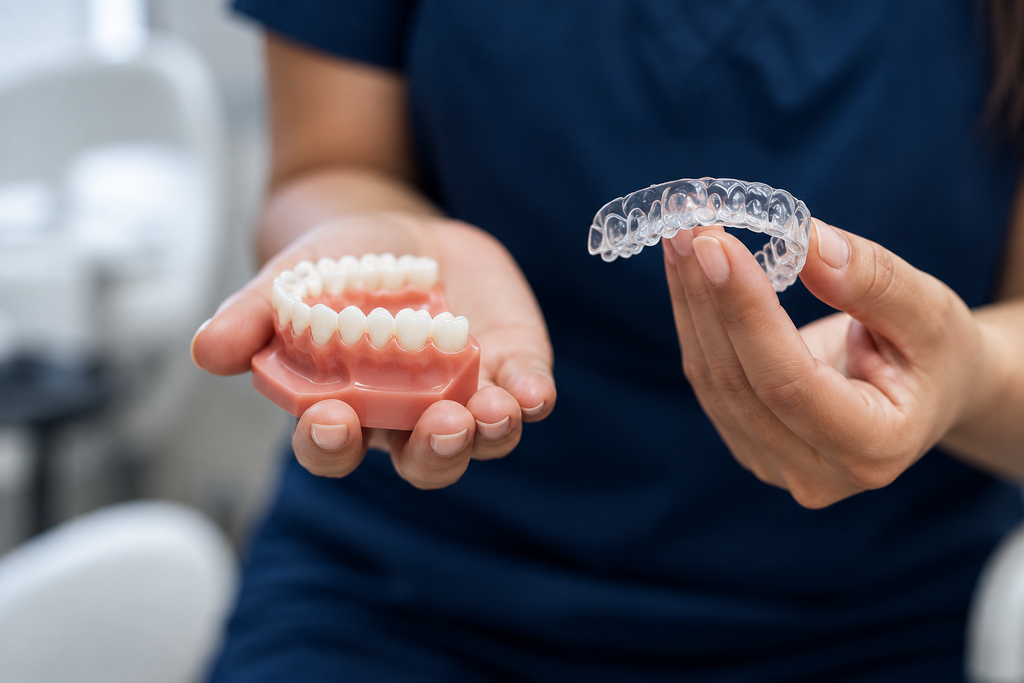
How Implantus Corrects Teeth That Have Moved
Treatment at Implantus begins by identifying the cause, not by immediately ordering new aligners. The orthodontic assessment is performed by Dr. Eliona Prifti, the clinic’s specialist orthodontist with experience across more than 2,000 orthodontic cases.
Dr. Roland Zhuka is the founder and clinical director of Implantus and specialises in advanced implantology and complex dental rehabilitation. When a patient has missing teeth, implants, crowns, or a wider bite problem, the two areas of expertise can be coordinated within one clinic.
A New Retainer When The Teeth Are Still Stable
If the teeth have not moved significantly, a new retainer may be enough to protect their current position. Digital scans can be used to create a retainer that matches the teeth accurately.
The old retainer should still be checked. Its wear pattern may show whether grinding, deformation, or loss of fit caused the problem.
Minor Correction With Clear Aligners
Small gaps, mild rotations, and limited crowding may be corrected with a shorter series of clear aligners. The number of aligners depends on how far the teeth have moved and whether the bite also requires adjustment.
Implantus offers Invisalign in Albania for suitable orthodontic cases. Digital planning allows Dr. Eliona to study each stage of movement before treatment begins.
Complete Invisalign Retreatment
More noticeable relapse may require a new Invisalign treatment plan. This is more likely when several teeth have moved or the upper and lower arches no longer fit together correctly.
A complete assessment includes digital scans, photographs, X-rays when needed, and bite analysis. The goal is not simply to straighten the most visible tooth but to create a stable relationship across the mouth.
Coordinated Dental Treatment
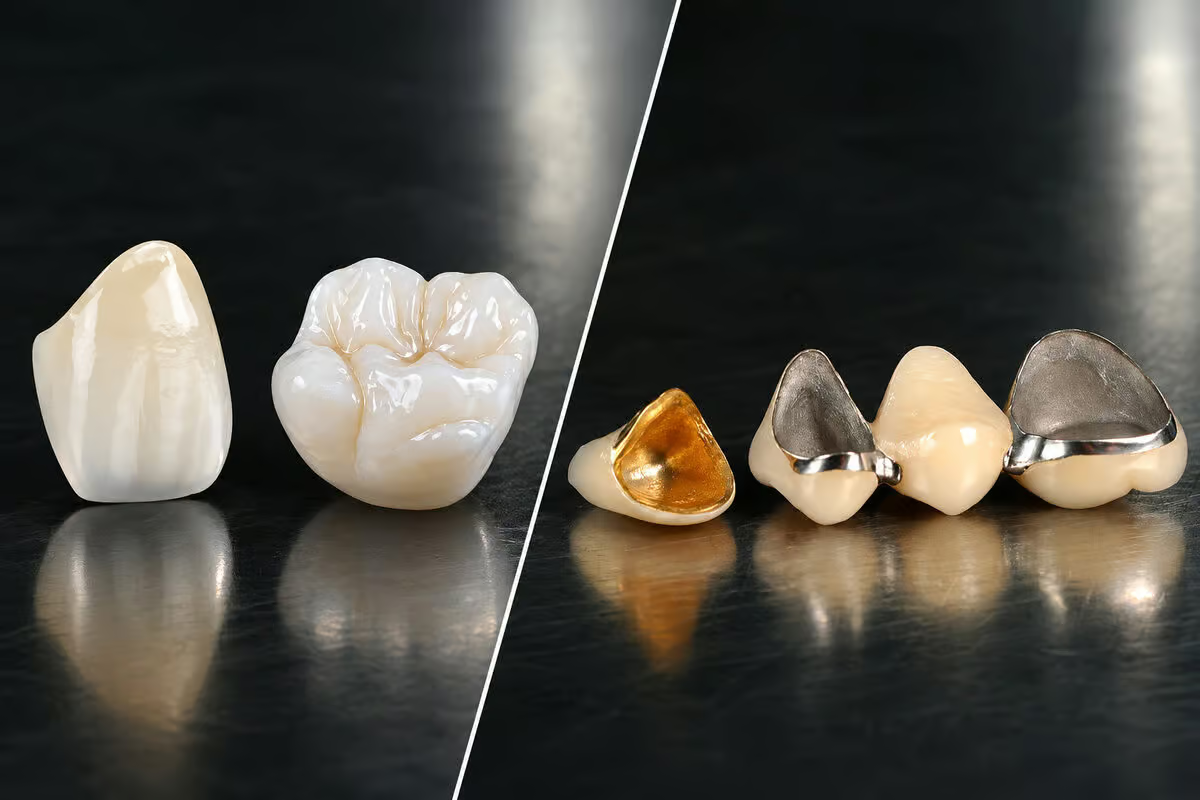
Orthodontic relapse sometimes appears alongside old crowns, missing teeth, gum recession, or worn teeth. These cases need coordinated planning because changing one part of the smile can affect the others.
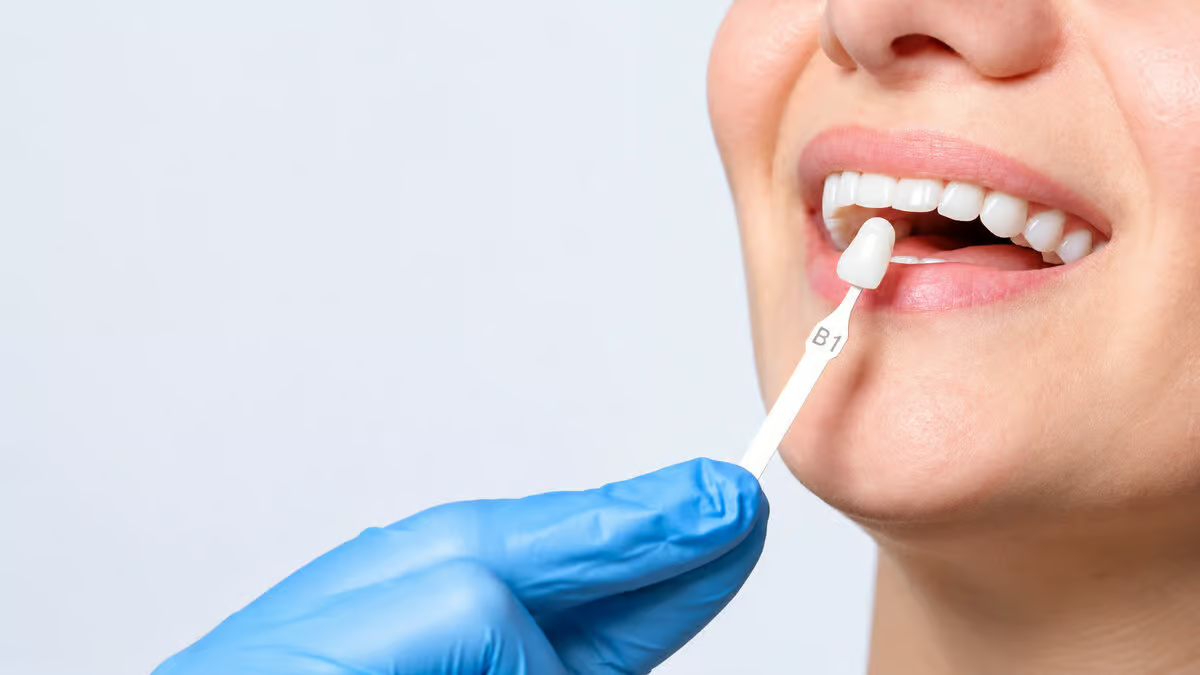
As a DSD-certified dental clinic, Implantus can connect orthodontic movement with Digital Smile Design, veneers, crowns, or replacement of missing teeth. Each stage is planned in the correct order so that final restorations are not produced before the teeth reach their intended positions.
Why Choose Implantus For Orthodontic Retreatment In Tirana?
Implantus Dental Clinic does not treat post-braces movement as an isolated cosmetic concern. The orthodontic team checks tooth position, gum support, the complete bite, and the condition of the previous retainer.
Orthodontic care at Implantus is led by Dr. Eliona Prifti. Her experience in more than 2,000 orthodontic cases supports personalised planning for new Invisalign patients and adults returning after earlier braces.
Patients at Implantus can access:
- Specialist orthodontic assessment
- Digital dental scans
- Invisalign treatment in Tirana
- Fixed and removable retainers
- Digital Smile Design
- Gum and restorative evaluation
- Coordinated care for missing or damaged teeth
- Follow-up within the same dental clinic
This multidisciplinary approach is particularly useful for adults. Previous dental work, gum condition, missing teeth, and bite changes can all influence orthodontic retreatment.
How Long Does Orthodontic Retreatment Take?
A very small change may only require a new retainer or a limited aligner correction. More established relapse can require several months of Invisalign treatment.
The timeline depends on the number of teeth involved, the distance they must move, and whether the bite has changed. Treatment may take longer if gum disease or another dental problem must be managed first.
Implantus provides an individual timeline after the digital assessment. A short treatment should only be recommended when it can produce a stable result.
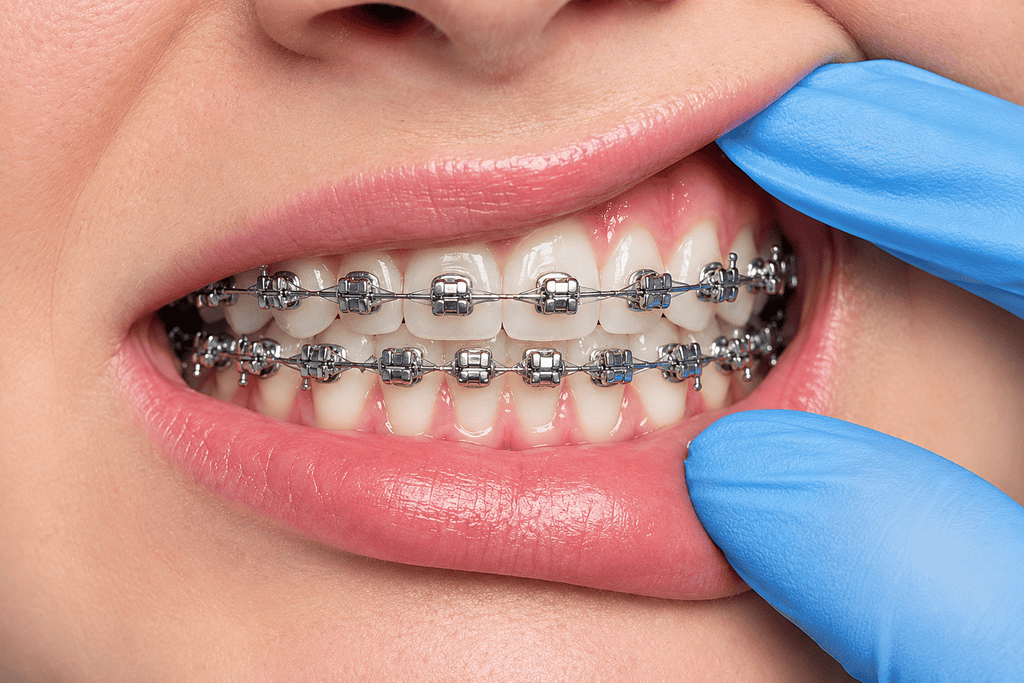
How To Stop Your Teeth From Moving Again
The new retention plan should be prepared before active treatment ends. Waiting until the teeth have already started moving increases the risk of another relapse.
Depending on the case, Dr. Eliona may recommend:
- A clear removable retainer
- A traditional Hawley retainer
- A fixed wire behind the front teeth
- A combination of fixed and removable retainers
- Night-time retention for the long term
- Periodic replacement of worn retainers
Retainers also require regular checks. A device that is loose, cracked, distorted, or no longer fits should be replaced before tooth movement becomes visible.
Frequently Asked Questions
Is It Normal For Teeth To Move Slightly After Braces?
Minor settling can occur, but visible rotation, renewed crowding, or reopening spaces should be checked. Early assessment may prevent the need for longer retreatment.
Can A Retainer Straighten My Teeth Again?
A passive retainer is mainly designed to hold teeth in place. It should not be forced over teeth that have moved significantly. Active aligners may be needed to correct the relapse safely.
Do I Need Braces Again?
Not always. Small changes may be managed with a new retainer or a limited Invisalign plan. More complex movement requires a full orthodontic assessment.
Can Teeth Move Even With A Fixed Retainer?
Yes. The wire can detach from one tooth, bend, or fail to control the complete dental arch. Fixed retainers also require regular inspection and careful cleaning.
Protect The Smile You Already Worked For
Teeth moving after braces does not always mean starting the entire treatment again. The earlier the change is examined, the more conservative the solution may be.
At Implantus Dental Clinic, Dr. Eliona Prifti evaluates the movement, checks the old retainer, and creates a plan based on the current position of the teeth and bite. When other dental problems are involved, the clinic’s wider team can coordinate them within the same treatment plan.
Your Retainer Is Telling You Something—Listen To It 🦷
- If it feels tighter: arrange a check before the movement increases.
- If it is broken or loose: stop relying on it to protect your result.
- If it no longer fits: do not force it—send Implantus clear photographs of your teeth and retainer for an initial review.
Book your orthodontic assessment with Dr. Eliona Prifti at Implantus Dental Clinic in Tirana.
📲 WhatsApp: +355 69 70 44 409
📧 Email: info@dr-rolandzhuka.com
📍 Clinic: Rruga Faik Konica, Tirana, Albania

 English
  Italiano
  Shqip
Shqip  Français