

When dealing with severe tooth infection or dental pain, choosing between a root canal and extraction requires careful evaluation. At Implantus, Dr. Roland Zhuka emphasizes preserving natural teeth whenever possible while planning long-term oral health solutions. Understanding the benefits, risks, and future implications of each option helps patients make informed, confident decisions.
Understanding the Difference Between Root Canal and Tooth Extraction
What Is a Root Canal Treatment?
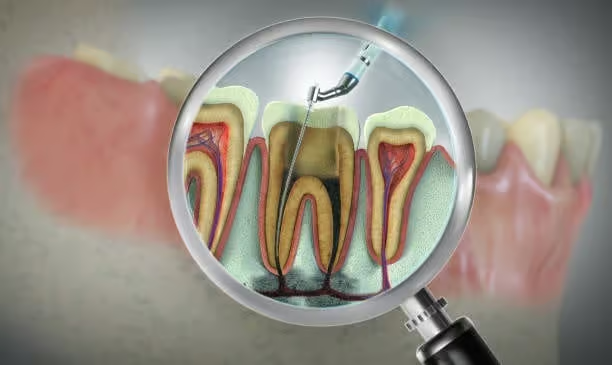
A root canal is a procedure designed to save a natural tooth that has infected or inflamed pulp inside. The dentist removes the infected tissue, disinfects the root canals, and seals the space to prevent reinfection.
After the internal treatment, the tooth is usually restored with a dental crown to regain strength and function. The main goal of a root canal is preservation — keeping your natural tooth whenever possible.
What Is a Tooth Extraction?
A tooth extraction involves completely removing the damaged or infected tooth from the jawbone. This procedure is typically recommended when the tooth cannot be structurally restored or when infection has severely compromised its stability.
While extraction removes the source of infection, it also creates a gap in the dental arch. Without proper replacement, this gap can lead to bone loss, shifting teeth, and bite imbalance.
Key Differences
The primary difference lies in preservation versus removal. A root canal focuses on saving the existing tooth structure, while extraction removes the tooth entirely and often requires a replacement plan.
Root canal treatment maintains natural chewing mechanics and bone stimulation. Extraction, although sometimes necessary, often leads to additional restorative procedures such as implants or bridges.
Long-Term Considerations
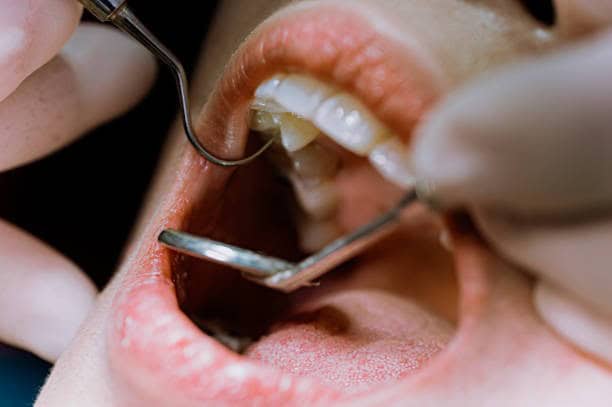
Saving a natural tooth helps preserve jawbone density and prevents neighboring teeth from shifting. In contrast, an extracted tooth may require additional treatments to maintain oral function and structural stability.
The right decision depends on the condition of the tooth, bone support, overall oral health, and long-term treatment goals. Proper diagnosis and professional evaluation are essential before choosing between these two options.
When Is a Root Canal the Better Option?
A root canal is often the preferred treatment when the goal is to preserve the natural tooth and maintain long-term oral stability. It is recommended when the tooth can still be structurally restored and properly supported.
- The tooth structure is still strong enough to be restored with a crown.
- The infection is confined to the pulp and has not caused severe structural damage.
- There is sufficient bone support around the tooth.
- The tooth is strategically important for bite balance and chewing function.
- The patient wants to avoid extraction and replacement procedures.
- There are no vertical root fractures or irreversible cracks.
- The surrounding gum tissue is healthy and manageable.
In many cases, preserving the natural tooth helps maintain jawbone integrity and prevents the need for more complex restorative treatments.

When Is Tooth Extraction Recommended?
Tooth extraction is recommended when a tooth is too damaged, infected, or structurally compromised to be restored safely. In such cases, removing the tooth may be the most predictable option to prevent further complications.
- The tooth has a severe fracture that extends below the gum line.
- There is advanced decay that has destroyed most of the tooth structure.
- The infection has caused significant bone loss around the tooth.
- Previous root canal treatment has failed and retreatment is not viable.
- The tooth is extremely loose due to advanced periodontal disease.
- There is a vertical root fracture that cannot be repaired.
- Keeping the tooth would compromise overall oral health.
When extraction is necessary, a proper replacement plan, such as a dental implant or bridge, is essential to prevent bone loss and maintain bite stability.
Long-Term Oral Health Implications of Each Choice
Choosing between a root canal and tooth extraction affects more than just immediate pain relief. Each option has different long-term consequences for bone health, bite balance, and overall oral stability.
If You Choose a Root Canal
Saving the natural tooth helps preserve jawbone stimulation and maintain proper chewing mechanics. The tooth continues to function within the arch, preventing shifting of neighboring teeth.
- Maintains natural tooth structure
- Preserves jawbone density
- Prevents adjacent teeth from moving
- Supports natural bite alignment
- May require a crown for long-term durability
When properly restored and maintained, a root canal-treated tooth can function for many years.
If You Choose Extraction
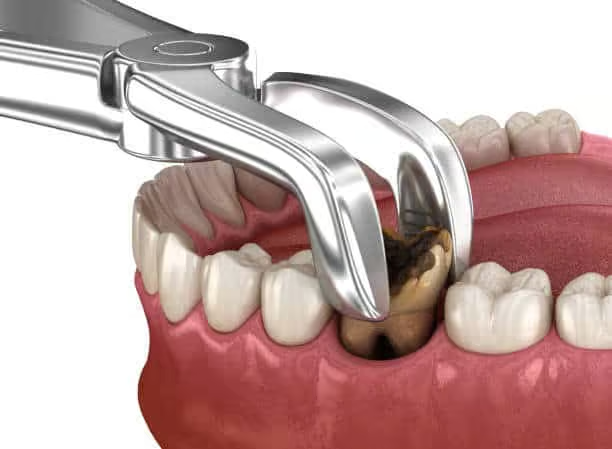
Removing a tooth eliminates infection but leaves an empty space in the dental arch. Without replacement, this gap can lead to gradual bone loss and shifting of surrounding teeth.
- Loss of natural bone stimulation
- Risk of adjacent teeth drifting
- Possible bite imbalance over time
- May require an implant or bridge for full restoration
- Can increase long-term treatment complexity
The long-term impact of extraction largely depends on whether the missing tooth is replaced promptly and correctly.
Cost, Recovery Time & Treatment Timeline Comparison
When deciding between a root canal and tooth extraction, it is important to compare not only the procedure itself but also the overall cost, healing time, and long-term treatment plan. While one option may seem simpler initially, the full timeline and future needs should be considered.
Cost Comparison
A root canal typically involves cleaning the infected tooth and placing a crown afterward. The cost includes both the endodontic treatment and the final restoration.
Tooth extraction may appear less expensive at first, but if the missing tooth is replaced with a dental implant or bridge, the total cost can become higher over time.
- Root canal: Treatment + crown restoration
- Extraction only: Lower initial cost
- Extraction + implant: Higher overall investment
- Long-term costs depend on durability and maintenance
Recovery Time
Recovery after a root canal is usually short, with mild discomfort lasting a few days. Most patients return to normal activities quickly.
Extraction may also involve short-term healing, but if followed by implant placement, the overall healing period extends due to bone integration.
- Root canal: Mild discomfort, quick recovery
- Extraction: Soft tissue healing required
- Implant placement: Additional months for osseointegration
- Final restoration may require multiple visits
Treatment Timeline
A root canal can often be completed in one or two visits, followed by crown placement. The overall timeline is generally shorter if the tooth is restorable.
Extraction alone is fast, but replacing the missing tooth can extend the treatment timeline significantly.
- Root canal: Faster overall completion
- Extraction only: Quick removal but leaves a gap
- Extraction + implant: Multi-stage process over several months
Understanding these differences helps patients evaluate not just immediate relief, but the full long-term investment in their oral health.
How Bone Loss Affects Your Decision
Bone loss plays a critical role when deciding between a root canal and tooth extraction. The condition of the surrounding bone determines whether a tooth can be preserved or whether removal and replacement may be the healthier long-term option.
When Bone Support Is Still Strong
If the tooth has adequate bone support and the infection has not severely damaged the surrounding structure, a root canal may be the preferred solution. Preserving the natural tooth helps maintain bone stimulation and prevents further resorption.
- Stable bone around the roots
- No advanced periodontal destruction
- Infection limited to the pulp
- Predictable restoration with a crown
When Significant Bone Loss Is Present
If the infection or gum disease has already caused major bone deterioration, saving the tooth may not be stable long-term. In these cases, extraction followed by proper replacement may offer a more predictable outcome.
- Advanced periodontal disease
- Deep bone defects around the tooth
- Tooth mobility due to weak support
- Risk of future structural failure
Why Early Intervention Matters
Bone loss can progress over time if infection remains untreated. Acting early can increase the chances of preserving the tooth and avoiding more complex restorative procedures later.

Replacing an Extracted Tooth: What Are Your Options?
When a tooth is extracted, replacing it is not just a cosmetic decision — it is essential for maintaining bone health, bite stability, and overall oral balance. Leaving the space untreated can lead to bone loss, shifting teeth, and long-term functional problems.
Dental Implants
A dental implant is considered the most advanced and long-lasting replacement option. It replaces both the tooth root and crown, preserving bone stimulation and restoring natural chewing function.
Why choose an implant:
- Prevents jawbone loss
- Functions like a natural tooth
- Does not affect neighboring teeth
- Long-term durability with proper care
Dental Bridge
A dental bridge replaces the missing tooth by anchoring to adjacent teeth. It restores function and appearance but requires modification of neighboring teeth.
Key considerations:
- Faster treatment compared to implants
- Does not replace the root structure
- Relies on adjacent teeth for support
- May require future replacement over time
Removable Partial Denture
A removable denture is a non-fixed option used to replace one or multiple missing teeth. It is typically a more affordable solution but less stable.
What to expect:
- Lower initial cost
- Removable design
- Less chewing stability
- Does not prevent bone loss

Expert Evaluation at Implantus: Why Diagnosis Matters
A correct diagnosis is the foundation of every successful dental treatment. At Implantus, every decision — whether to preserve a tooth or proceed with extraction and replacement — is based on detailed clinical evaluation and advanced digital imaging.
An expert assessment prevents unnecessary procedures and ensures that treatment aligns with long-term oral health goals. Rather than focusing only on immediate pain relief, the evaluation considers bone condition, bite balance, infection severity, and future stability.
What an Expert Diagnosis Includes
- Comprehensive clinical examination
- 3D CBCT bone analysis when necessary
- Assessment of tooth structure and restorability
- Evaluation of gum and periodontal health
- Bite and functional analysis
Final Thoughts Before Making Your Decision
Choosing between a root canal and extraction is more than a short-term fix — it is a decision that impacts your long-term oral health, bone stability, and overall function. The right approach should be based on precise diagnosis, structural evaluation, and a clear long-term plan.
At Implantus, Dr. Roland Zhuka carefully evaluates whether preserving your natural tooth is the best option or whether extraction followed by a dental implant will provide a stronger, more predictable result. When a tooth cannot be saved, modern implant solutions restore both function and bone support, preventing future complications.
A strategic, expert-guided decision ensures you do not just treat today’s problem — you protect your smile for years to come.




 English
  Italiano
  Shqip
Shqip  Français