

Teeth in 24 Hours at Implantus is an advanced immediate loading implant procedure that allows patients to receive fixed teeth within a single day. Led by Dr. Roland Zhuka, each treatment is digitally planned to ensure precision, stability, and predictable full-arch restoration results.
What Is Immediate Loading Implantology?
Immediate loading implantology is an advanced dental implant technique where a temporary fixed prosthesis is attached within 24–48 hours after implant placement. Unlike traditional methods, patients do not have to wait several months before receiving teeth.
This approach is commonly used in full-arch restorations such as All-on-4 or All-on-6 treatments. It allows patients to regain function and aesthetics immediately after surgery.
Immediate loading requires precise digital planning and strong primary implant stability. When properly executed, it offers predictable results and a significantly shorter treatment timeline.
Who Is a Candidate for Immediate Loading Implants?
Patients With Multiple Missing Teeth: Immediate loading implants are often recommended for patients who have lost several or all teeth in one arch. Full-arch cases allow implants to be strategically distributed for better stability and immediate function.
Patients With Good Bone Quality: Adequate bone density is essential to achieve strong primary implant stability on surgery day. Patients with sufficient bone volume are more likely to qualify for same-day fixed teeth.
Patients Seeking Faster Rehabilitation: Individuals who want to avoid removable dentures or long healing periods may benefit from immediate loading protocols. This approach significantly reduces the time between implant placement and fixed teeth.
Patients in Good General Health: Candidates should be in stable overall health with controlled medical conditions. Proper healing capacity is important to ensure successful osseointegration and long-term implant success.
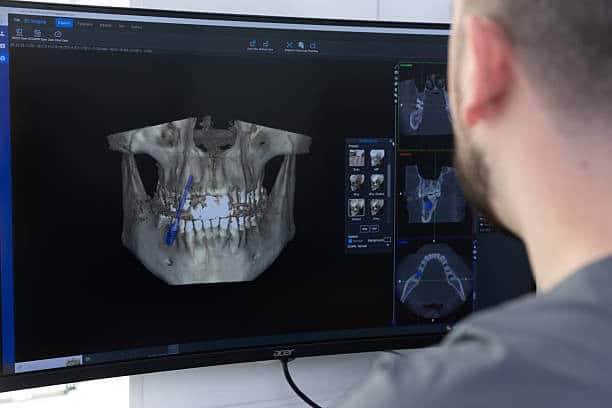
Step 1: Digital Consultation & 3D CBCT Planning
The success of immediate loading implants begins long before surgery. At this stage, everything is digitally evaluated and carefully planned to ensure precision, safety, and predictable results.
Comprehensive Clinical Evaluation
The process starts with a detailed oral examination and medical history review. This helps determine whether the patient is a suitable candidate for immediate loading implantology.
3D CBCT Imaging & Bone Analysis
A 3D CBCT scan is performed to assess bone volume, density, and anatomical structures such as nerves and sinuses. This advanced imaging allows for accurate measurement and safe implant positioning.
Prosthetic-Driven Treatment Planning
Implants are planned based on the final prosthetic outcome, not just bone availability. The bite, smile line, and functional balance are digitally analyzed to ensure optimal long-term performance.
Digital Surgical Mapping
Specialized software is used to simulate implant placement before surgery. This reduces surgical risks and increases accuracy on the treatment day.
This digital-first approach ensures that the surgical phase is efficient, controlled, and aligned with long-term restorative goals.
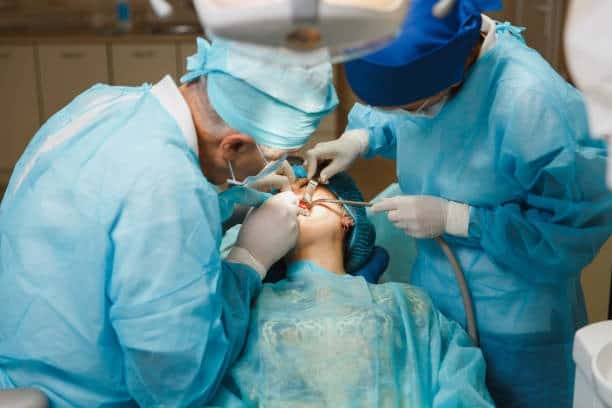
Step 2: Surgical Implant Placement
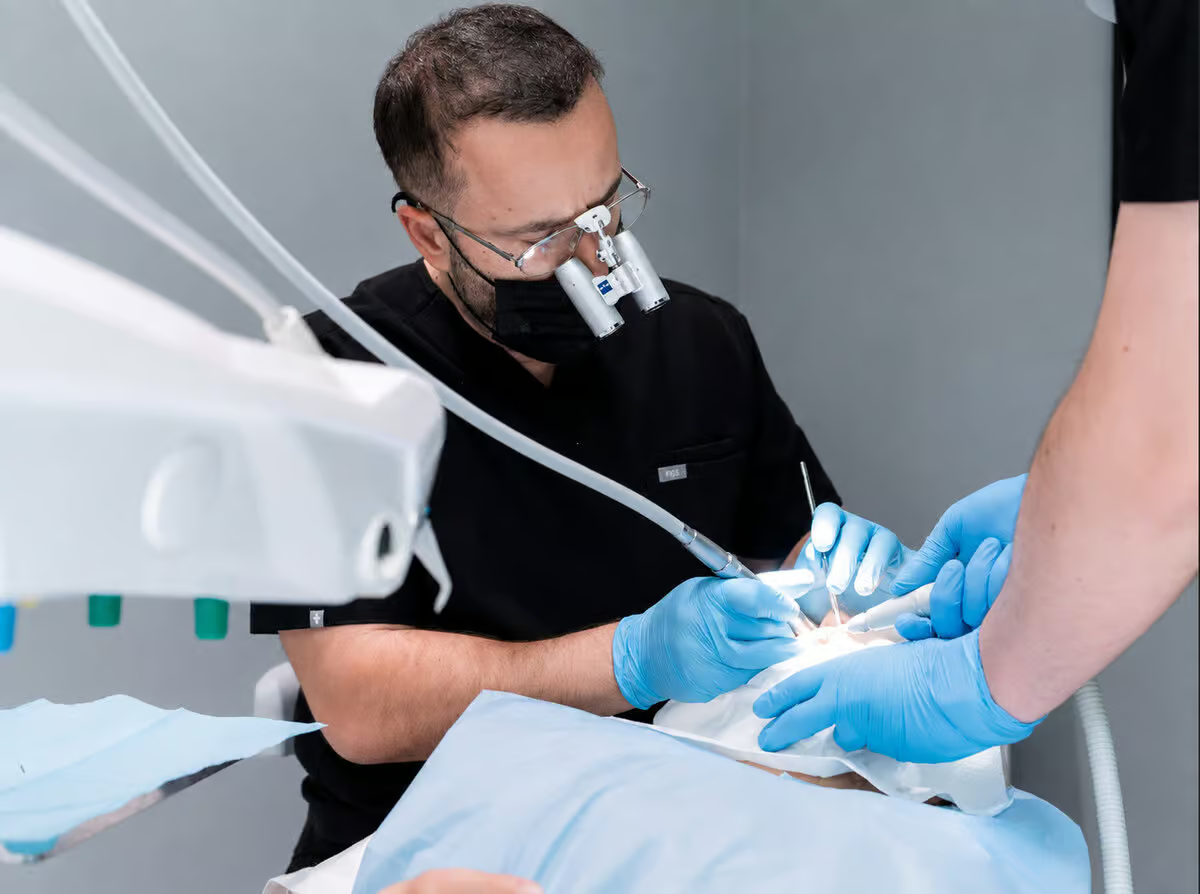
Once digital planning is completed, the surgical phase is carried out with precision and control. Every implant is placed according to the pre-designed digital map to ensure accuracy and long-term stability.
Guided and Precise Implant Positioning
Using the 3D treatment plan, implants are inserted into predetermined positions that maximize available bone support. This guided approach minimizes guesswork and enhances surgical safety.
Achieving Primary Stability
Strong primary stability is essential for immediate loading protocols. During placement, the implants are secured firmly into the bone to allow temporary fixed teeth to be attached within 24–48 hours.
Minimally Invasive Technique
Whenever possible, minimally invasive methods are used to reduce trauma to surrounding tissues. This helps limit post-operative discomfort and supports faster recovery.
Controlled and Safe Environment
The procedure is performed under local anesthesia with strict clinical protocols. Careful monitoring ensures the surgery remains efficient, predictable, and aligned with the digital treatment plan.
Step 3: Achieving Primary Stability
Primary stability is the key factor that makes immediate loading implants possible. Without a strong initial fixation in the bone, same-day temporary teeth cannot be safely supported.
What Is Primary Stability?
Primary stability refers to the mechanical grip the implant achieves at the moment it is placed into the bone. It depends on bone density, implant design, and precise surgical technique.
Why It Matters for Immediate Loading
For implants to support a temporary fixed bridge within 24–48 hours, they must reach a specific torque level during placement. This ensures the implant can handle functional forces without compromising healing.
How Stability Is Measured
During surgery, insertion torque and stability values are carefully monitored. Only when optimal stability is confirmed does the team proceed with immediate prosthetic loading.
The Foundation for Long-Term Success
Achieving strong primary stability not only allows immediate teeth placement but also supports proper osseointegration. This step bridges the gap between surgery day and long-term implant durability.
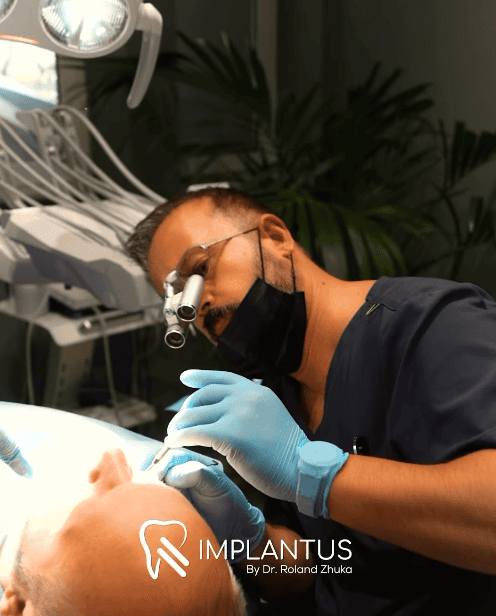
Step 4: Same-Day Temporary Fixed Teeth
Once strong primary stability is confirmed, the next step is attaching the temporary fixed prosthesis. This is the moment patients transition from surgery to having functional teeth within the same day.
Immediate Prosthetic Connection
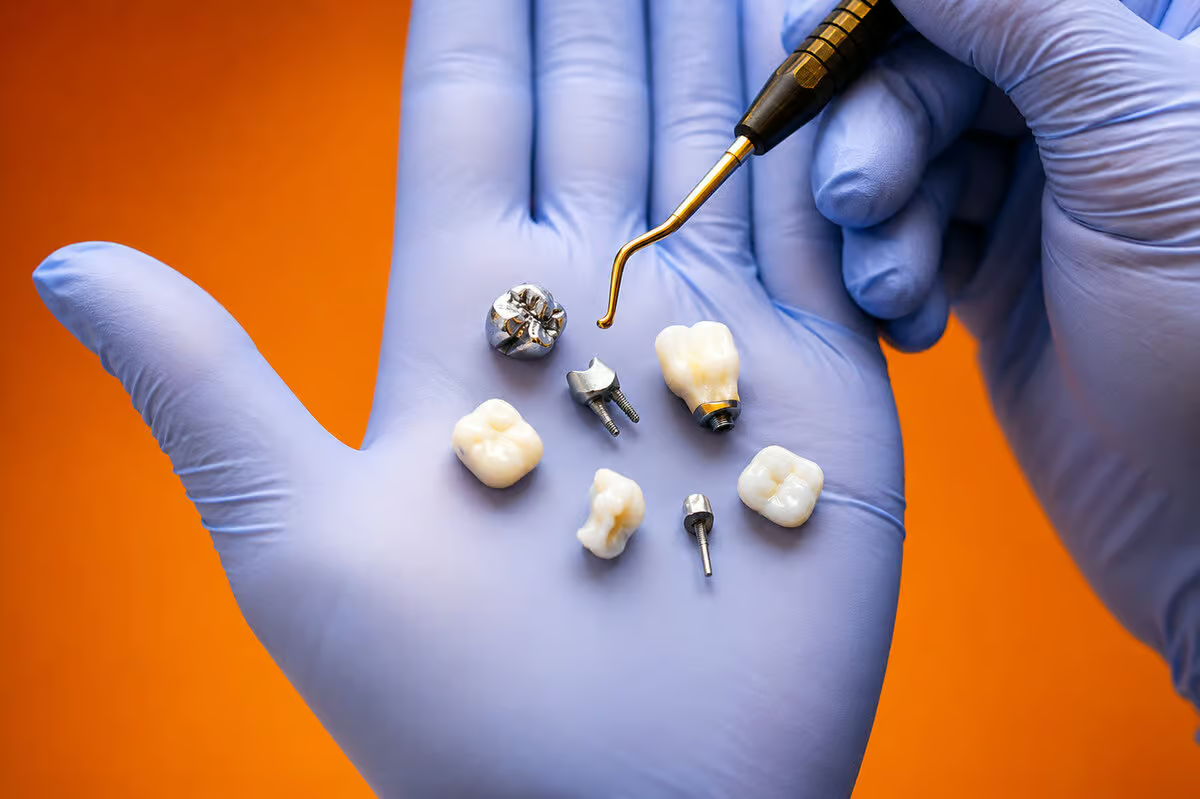
A custom-made temporary bridge is carefully fitted onto the implants. It is designed to protect the implants while restoring aesthetics and basic chewing function.
Restoring Appearance Instantly
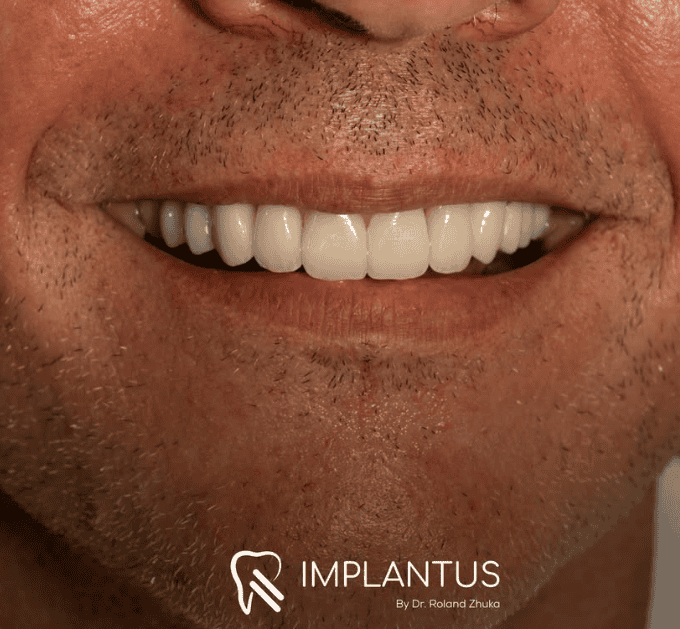
Patients leave the clinic with fixed teeth, eliminating the need for removable dentures during healing. This immediate transformation improves confidence and daily comfort.
Controlled Functional Load
The temporary teeth are adjusted to ensure balanced bite forces. This protects the implants during the healing phase while allowing normal speech and light function.
Preparing for the Final Restoration
The temporary bridge serves as a transitional solution while the implants integrate with the bone. After the healing period, a final, long-term prosthesis is designed for maximum strength and durability.

Recovery After Immediate Implant Surgery
Recovery after immediate implant surgery is typically well controlled when the procedure is digitally planned and properly executed. Even though patients leave with fixed temporary teeth, the implants still require time to integrate with the bone.
The First 24–72 Hours
Mild swelling and sensitivity are common during the first few days. These symptoms are temporary and usually manageable with prescribed medication and proper care.
What to expect:
- Mild swelling around the treated area
- Light discomfort or pressure sensation
- Minor bruising in some cases
- Gradual improvement within a few days
Eating & Daily Care
A soft-food diet is essential during the early healing phase to protect implant stability. Proper oral hygiene must be maintained without applying excessive pressure around the temporary bridge.
Recommended guidelines:
- Consume soft foods for several weeks
- Avoid hard or sticky foods
- Rinse gently as instructed
- Maintain careful brushing around the prosthesis
Follow-Up & Healing Phase
Regular check-ups allow monitoring of implant stability and soft tissue healing. Over the next few months, osseointegration occurs as the implants fuse securely with the bone.
During this phase:
- Implant stability is periodically evaluated
- Bite adjustments may be performed if necessary
- Final prosthesis planning begins after full healing
- Long-term durability depends on proper aftercare and maintenance
Healing Phase & Final Prosthesis Placement
After immediate implant placement and temporary teeth delivery, the healing phase begins beneath the surface. While patients can function normally with their temporary fixed bridge, the implants are gradually integrating with the jawbone in a process known as osseointegration.
This biological integration typically takes several months and is essential for long-term implant stability. During this time, follow-up visits ensure that healing progresses properly and that the temporary prosthesis remains well-balanced.
What Happens During the Healing Phase
- The implants fuse naturally with the surrounding bone
- Soft tissues adapt and stabilize around the implants
- Bite adjustments may be performed if necessary
- Oral hygiene and maintenance are closely monitored
Once full integration is confirmed, the final prosthesis is designed. This permanent restoration is custom-made for optimal strength, function, and aesthetics.
Benefits of the Final Prosthesis
- Stronger and more durable materials
- Improved bite precision and chewing efficiency
- Enhanced long-term stability
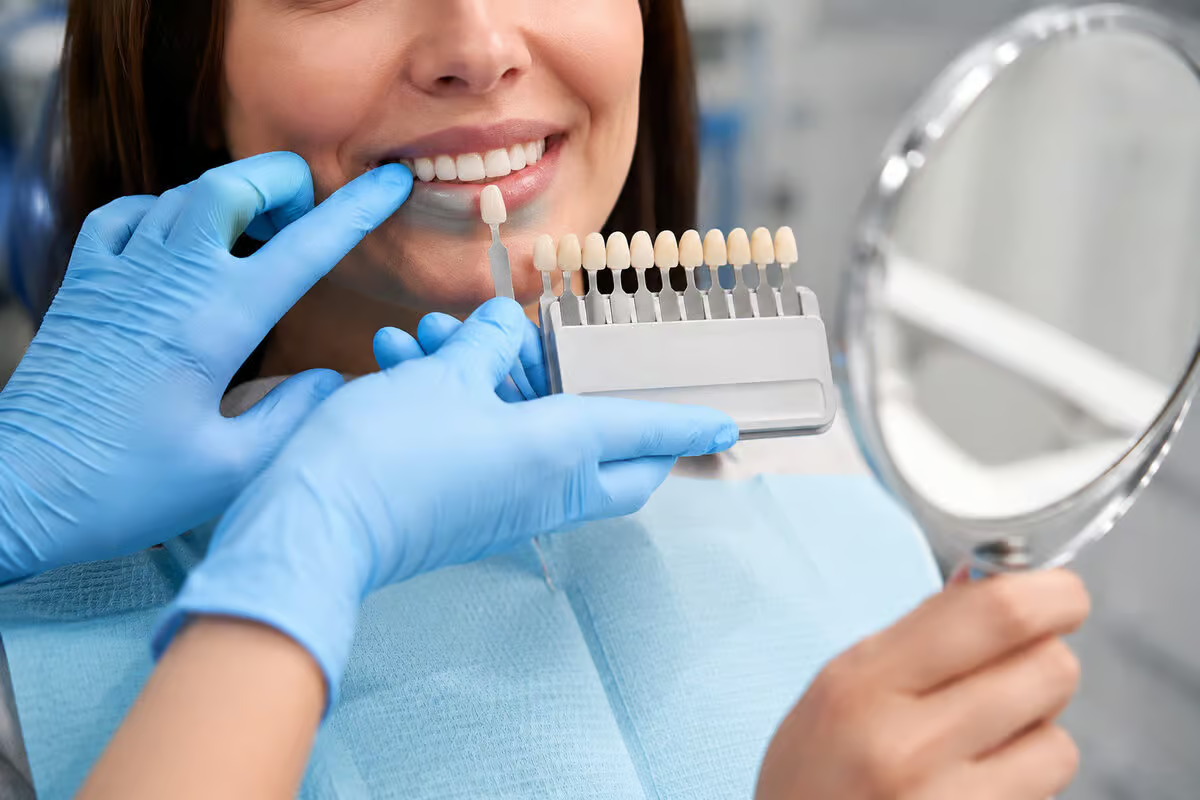
- Natural appearance tailored to facial structure
The transition from temporary to final teeth completes the full-arch rehabilitation process, ensuring predictable and lasting results.
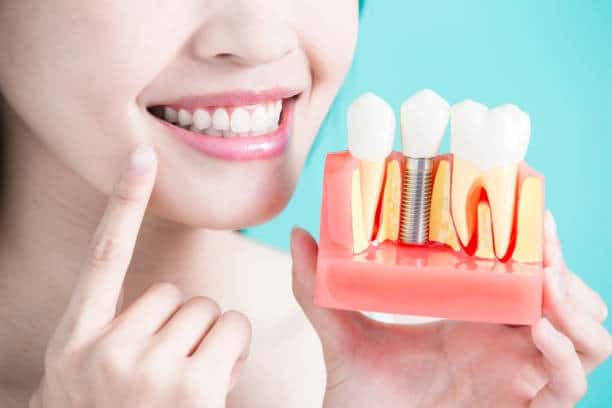
Benefits of Teeth in 24 Hours at Implantus
Getting fixed teeth in just one day offers transformative advantages for patients who want a fast, reliable solution to missing or failing teeth. Here are the key benefits users experience with Implantus’ Teeth in 24 Hours protocol:
Immediate Aesthetic & Functional Improvement
- Patients leave the clinic with fixed temporary teeth the same day as surgery
- No need for removable dentures during healing
- Smile, speak, and eat with confidence immediately
Shorter Treatment Timeline
- Eliminates long waiting periods between surgery and teeth restoration
- Streamlines full-arch rehabilitation into a single surgical visit
- Reduces total time to final restoration
Predictable Stability & Quality
- Digital planning and precise implant placement support safe immediate loading
- Temporary teeth protect implants during the healing phase
- Strong foundation for the final prosthesis
Improved Comfort & Patient Experience
- Less time without teeth
- Smooth transition from surgery to function
- Personalized prosthetic design enhances comfort from day one
How Long Do Immediate Implants Last?
Immediate dental implants are designed to be a long-term solution when properly planned and maintained. Although the temporary teeth are placed within 24–48 hours, the implants themselves integrate with the bone over time, forming a strong and stable foundation.
With good oral hygiene and regular follow-up care, dental implants can last many years and often decades. Their longevity depends on factors such as bone quality, overall health, bite balance, and lifestyle habits.
The temporary prosthesis is later replaced with a final, more durable restoration made from stronger materials. Once the final prosthesis is placed and osseointegration is complete, the success rates of immediate implants are comparable to traditional implant protocols.
Proper maintenance, professional cleanings, and routine check-ups play a critical role in ensuring long-term durability. When these guidelines are followed, immediate implants offer predictable and lasting functional results.
Frequently Asked Questions
Is the Teeth in 24 Hours procedure safe?
Yes, when proper digital planning and implant stability criteria are met, the procedure is safe and predictable. Careful case selection and 3D diagnostics are essential for success.
Will I really leave the clinic with fixed teeth the same day?
In selected cases, yes. Patients receive a temporary fixed bridge within 24–48 hours after implant placement.
Is the procedure painful?
The surgery is performed under local anesthesia. Most patients experience mild discomfort afterward, which is temporary and manageable.
How long does the temporary bridge last?
The temporary prosthesis is designed to function during the healing phase. After osseointegration, it is replaced with a final, more durable restoration.
Can smokers get immediate implants?
Smoking may affect healing and implant integration. Each case must be evaluated individually to determine candidacy.
What happens if I do not have enough bone?
Advanced techniques may allow treatment even in cases of bone loss. A detailed 3D evaluation is required to determine the best approach.
How soon can I eat normally?
A soft diet is recommended during the early healing phase. Gradually, normal chewing function is restored as healing progresses.
Why Choose Implantus for Immediate Loading Implants
Implantus stands out as a premier destination for immediate loading dental implants due to its combination of advanced technology, clinical expertise, and personalized care. Under the leadership of Dr. Roland Zhuka, each treatment is meticulously planned and executed to ensure precision, stability, and predictable long-term results.
- Implantus uses 3D CBCT imaging and digital planning tools to evaluate bone quality and plan implant placement before surgery.
- Immediate loading protocols are supported by strict stability criteria to ensure safe provisional fixed teeth on the same day.
- The clinic specializes in complex cases, including patients with bone loss or previously failed implants.
- Experienced surgical and restorative teams coordinate every step for seamless treatment execution.
- Personalized treatment plans focus on both function and aesthetics for lasting outcomes.
- Patients benefit from a structured recovery and follow-up program designed to support osseointegration and final prosthesis success.
This blend of technology, specialized expertise, and patient-focused care makes Implantus a trusted choice for immediate loading implant solutions.


 English
  Italiano
  Shqip
Shqip  Français